Extra Virgin Cold Pressed Organic Olive Oil: Guide 2026
You're standing in the beauty aisle, or scrolling a product page, looking at one bottle that says olive oil and another that says extra virgin cold pressed organic olive oil. The longer name costs more. The label looks more serious. The promises sound better. But it's fair to wonder whether those words mean anything real, or whether they're just polished marketing stacked on top of a basic oil.
That confusion makes sense because olive oil sits in two worlds at once. It's a food, but it's also one of clean beauty's most useful multi-purpose ingredients. The same qualities that matter in the kitchen, freshness, purity, gentle processing, also matter when you put oil on your skin, scalp, and hair. If the oil has been poorly handled, overexposed to oxygen, or processed too aggressively, you don't just lose flavor. You lose the very compounds that make it valuable in a minimalist routine.
Interest in better olive oil isn't niche anymore. The U.S. olive oil market was valued at $3.13 billion in 2024 and is projected to grow to $3.34 billion in 2025, while global production is forecast to increase by 38% in the 2024/25 crop year according to the International Olive Council market update and forecasts. People are paying closer attention to quality, and for good reason.
Why This Bottle of Olive Oil Has Such a Long Name
A long olive oil label can feel like a test. You read extra virgin, then cold pressed, then organic, and by the time you get to olive oil, you're left wondering which word is most important.
The answer is that all four matter, but not in the same way. Think of the name as a system, not a slogan. Each term checks a different part of quality.
Four words, four promises
Olive oil tells you the source. This is oil from the fruit of the olive.
Organic speaks to how the olives were grown and handled before extraction. For many shoppers, that matters because they want fewer unnecessary agricultural inputs in products that touch skin and scalp.
Cold pressed describes the extraction method. It points to a gentler process that protects fragile compounds from heat damage.
Extra virgin is the strictest quality claim in the stack. It tells you the oil meets a high standard for purity, chemistry, and taste.
Put together, those words tell a fuller story than any one term can on its own.
A useful way to read the label is this: olive oil is the ingredient, organic is the farming standard, cold pressed is the processing method, and extra virgin is the quality grade.
That's why the long name can be worth paying attention to. In clean beauty, one of the biggest mistakes shoppers make is focusing on a single attractive phrase and ignoring the rest. A bottle can say cold pressed and still leave out the details that help you judge freshness. Another can look rustic and artisanal but be packaged in a way that exposes the oil to damage.
When you understand how these terms work together, you stop buying based on mood and start buying based on evidence. That shift matters whether you want a facial oil, a scalp treatment, or a body oil that earns its place on your shelf.
Decoding the Gold Standard What Each Term Means
The easiest way to understand extra virgin cold pressed organic olive oil is to treat it like a four-part quality checklist. If one part is missing, the bottle tells you less.

Extra virgin means highest grade
Extra virgin isn't a poetic phrase. It's a technical standard.
To be classified as extra virgin, olive oil must have free acidity of no more than 0.8%, contain no sensory defects, and be extracted using mechanical methods below 81°F (27°C) to help retain polyphenols and antioxidants.
That sounds abstract, but here's what it means in daily life. Extra virgin olive oil hasn't been stripped down and rebuilt. It's the closest thing to fresh olive juice in oil form. If refined oil is like orange drink made from concentrate, extra virgin is closer to fresh-squeezed juice.
A good extra virgin oil often tastes lively. You may notice fruitiness first, then a slight bitterness, then a peppery catch in the throat. Those aren't flaws. They're often signs that protective compounds are still present.
Cold pressed means gentle handling
Cold pressed refers to temperature during extraction. The oil is mechanically obtained without excessive heat. That matters because heat speeds up breakdown.
Think about what happens when you overcook fresh greens. They may still be edible, but the bright flavor fades. Olive oil behaves the same way. Gentle extraction helps preserve aroma, taste, and delicate antioxidants.
There's an important myth to clear up, though. Cold pressed is not a magic badge all by itself. It tells you how the oil was processed, not whether it was fresh, well stored, or expertly made from the start.
Practical rule: Don't treat “cold pressed” as proof of excellence. Treat it as one required piece of a bigger quality picture.
Organic speaks to the agricultural side
Organic applies to how the olives are grown and how the product is handled within an organic certification framework. For beauty users, this can matter because you're often seeking a simpler ingredient with less agricultural residue and a cleaner supply chain.
Organic also tends to fit the mindset of people who prefer multi-purpose, minimally processed products. If you're using one bottle on your face, cuticles, scalp, and body, you usually want the ingredient story to be as straightforward as possible.
Olive oil is more than a carrier oil
Some shoppers treat olive oil as a basic base ingredient, something neutral and interchangeable. High-quality olive oil isn't interchangeable.
Its natural profile includes monounsaturated fats, especially oleic acid, plus compounds such as vitamin E and polyphenols that make it more than a slippery layer on the skin. In beauty terms, that means it can soften, cushion, and support the barrier rather than just sitting on top.
A quick way to think about the system:
| Term | What it tells you | Why it matters for beauty |
|---|---|---|
| Olive oil | The source ingredient | A naturally emollient oil with skin and hair compatibility |
| Organic | How olives were grown and certified | Supports cleaner ingredient preferences |
| Cold pressed | How the oil was extracted | Helps preserve sensitive compounds |
| Extra virgin | The quality grade | Signals strict standards for purity and sensory quality |
From Grove to Bottle The Science of Purity
Olive oil quality starts declining the moment producers stop controlling time, temperature, oxygen, and residue. That's why the best bottles don't happen by accident. They're the result of careful decisions at every step.

Temperature is a chemistry issue, not a trend
The EU standard requires extraction temperatures for cold pressed oil to stay below 27°C (80°F), and processing below 25°C further improves retention of polyphenols, the compounds linked with the oil's peppery taste and skin-supportive properties.
That peppery sensation matters. In a beauty context, it's a clue that the oil hasn't been flattened by excessive heat or poor handling. Those antioxidants help protect the oil itself from deterioration, which is part of why fresher, carefully made oil tends to feel more alive.
If you want a deeper primer on how temperature changes oil quality, this guide on what cold-pressed oil means is a helpful companion read.
What experts look for beyond the front label
Most labels don't tell you the full scientific story. Producers and quality assessors look at more than marketing terms.
Here are some of the markers that matter:
- Free fatty acid level: Lower levels suggest better fruit quality and gentler handling.
- Peroxide value: This helps indicate how much oxidation the oil has undergone.
- Taste panel results: Authentic extra virgin oil must show zero median defects and some degree of fruitiness.
- UV absorbance testing: This helps detect oxidation products that can signal damage or poor storage.
These details sound lab-heavy, but they translate into something simple. Oil that has been protected well is usually fresher, more stable, and more suitable for skin and hair use.
Good olive oil is a race against oxidation. Every hour of delay, every burst of heat, and every extra bit of oxygen works against quality.
Purity isn't just about what's absent
People often define purity by what a product doesn't contain. No solvents. No refining. No artificial fragrance. That matters. But with olive oil, purity also means preserving what should still be there.
That includes the oil's natural fatty acid profile, its vitamin E, and the compounds that give high-quality oil its bitterness and bite. In other words, purity is not emptiness. Purity is intactness.
Your Skins Best Ally Unlocking Skincare Benefits
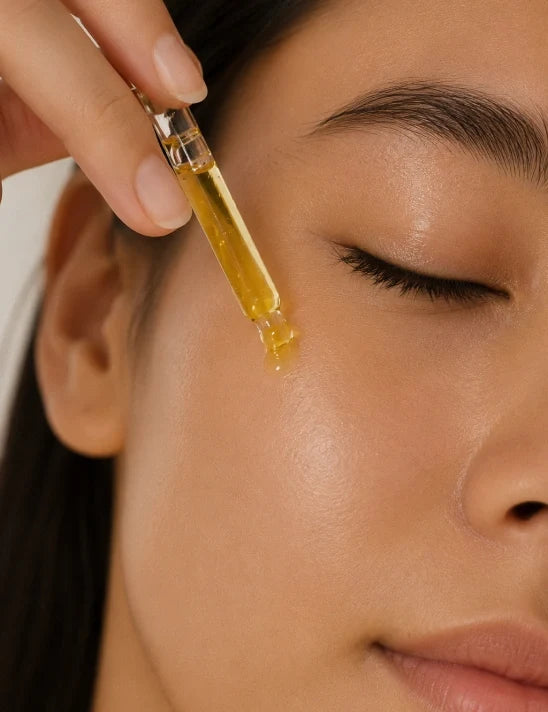
For skin, extra virgin cold pressed organic olive oil works best when you think of it as a barrier-supportive emollient, not a miracle cure. It softens the surface, helps reduce water loss, and delivers naturally occurring compounds that support a calmer, more comfortable feel.
Why high-quality oil behaves differently on skin
Not every olive oil feels the same. Cosmetic usefulness depends heavily on freshness and stability.
For cosmetic-grade purity, the highest quality extra virgin olive oils often have a free fatty acid content closer to 0.3% and a peroxide value under 20 meq/kg, which supports freshness, stability, and skin barrier repair.
That matters because skin barrier support isn't just about adding grease. Fresh, stable oil is less likely to feel stale, heavy, or compromised. The better the oil has been protected from oxidation, the more reliable it tends to be in a minimalist routine.
The compounds your skin notices
A few components do the heavy lifting:
- Oleic acid: This monounsaturated fat gives olive oil its rich, cushioning slip. It helps the oil spread easily and soften rough patches.
- Vitamin E: A familiar antioxidant in skincare, it helps support the formula's protective profile.
- Polyphenols: These compounds are linked with the oil's more peppery and bitter character, and they add to its antioxidant story.
If your skin feels tight after cleansing, a thin layer of olive oil over slightly damp skin can act like a flexible seal. It doesn't replace a full routine for everyone, but it can simplify one.
Best uses for skin
Some applications make more sense than others.
- Dry patches: Massage a small amount into elbows, around the nose, or flaky areas that need softness.
- Body oil after bathing: Apply while skin is still slightly damp to lock in water.
- Oil cleansing for makeup removal: Use it as the first step, then follow with a gentle cleanser if your skin prefers a cleaner finish.
- Cuticle and hand care: A drop worked into nails and knuckles can do more than a shelf full of specialty products.
If you're rebuilding stressed skin, pairing simple emollients with barrier-focused habits helps. For a broader look at multi-use botanical oils in routines, this guide to organic cold-pressed oils for skin is also useful.
If an oil is going on reactive skin, simplicity matters more than novelty. Fewer ingredients often means fewer variables.
A quick caution belongs here. Olive oil is rich and won't suit every face in the same way. Some people love it as an occasional rescue oil. Others prefer it for body, hands, or cleansing rather than as a daily facial leave-on. Patch testing is the smart move.
The Secret to Resilient Hair and a Healthy Scalp
Hair often gets the spotlight, but the scalp is where olive oil quietly shines. A dry, uncomfortable scalp can make everything else harder. Styling feels worse, flakes become more noticeable, and lengths often look dull because the whole system feels out of balance.

What it does for the scalp
Extra virgin cold pressed organic olive oil acts like a softening treatment for dry scalp conditions. Its texture helps loosen the feel of tightness and dryness while giving you enough slip for massage.
That massage matters. It helps distribute oil evenly and makes the ritual more effective than pouring oil on one spot and hoping for the best. Use fingertips, not nails, and work in slow circles.
People also like olive oil because it doesn't need a complicated formula to be useful. When your scalp is irritated by too many fragranced products, going back to one plain oil can feel like a reset.
What it does for the hair shaft
On the lengths, olive oil behaves like a smoothing coat with substance. It can help:
- Reduce roughness: especially on dry ends
- Tame surface frizz: by coating raised areas of the hair cuticle
- Add softness and shine: without relying on synthetic silicone blends
- Improve flexibility: so strands feel less brittle during detangling
The amount matters more than the method. A small amount on ends can polish hair. Too much can weigh fine strands down.
Three practical ways to use it
Before shampooing
Massage a modest amount into the scalp and smooth the remainder through mid-lengths and ends. Let it sit, then shampoo thoroughly. This works well when hair feels crispy, overwashed, or dull.
As a scalp massage oil
Use a few drops on sectioned scalp before wash day. Focus on dry zones rather than soaking the entire head.
As a finishing oil
Warm a drop between your palms and press it into ends or flyaways. Think polish, not saturation.
If you like layering oils with aromatics for scalp rituals, it helps to understand which additions are scalp-focused and which are mostly scent-driven.
The best hair oiling routine is the one you can wash out easily and repeat consistently. More oil doesn't mean better results.
Curly, coily, and textured hair often tolerates richer oils well on the lengths. Fine or low-density hair usually does better with a lighter hand and shorter contact time. Same ingredient. Different dosage.
How to Buy Authentic Olive Oil Like an Expert
Buying better olive oil gets easier once you stop chasing romantic labels and start checking practical signals. Some of the most common shopping shortcuts are also the least reliable.

The myth of cold pressed as a quality badge
A common myth is that cold pressed is a special sign of premium quality. It isn't. All true extra virgin olive oil is cold extracted by definition. The more useful freshness clue is the harvest date, which experts urge shoppers to prioritize.
That changes how you shop. Instead of rewarding the bottle with the loudest front label, reward the one that gives you traceable details.
If you're comparing extraction terms on labels, this explainer on whether expeller pressed is the same as cold pressed helps sort out language that often gets blurred together.
Unfiltered isn't automatically better
Cloudy oil has a rustic image. Many shoppers assume that if an olive oil looks unfiltered, it must be fresher, less processed, or richer in beneficial compounds.
That's not a safe assumption.
Unfiltered oil contains tiny plant particles and water droplets that can speed up degradation. Cloudiness is not a certificate of excellence. Filtration can improve stability and shelf life without stripping polyphenols. The bottle may look less romantic, but it may perform better over time.
The same goes for home authenticity tricks. The refrigerator test is unreliable. Purity can't be confirmed by folk experiments in your kitchen.
A sharper shopping checklist
Use this instead of marketing buzzwords:
- Look for a harvest date: This tells you more about age than a vague best-by date.
- Choose dark glass packaging: Light is detrimental to oil stability.
- Read the origin details: Specific sourcing is more useful than generic country references.
- Notice taste expectations: Fruity, bitter, and peppery can be positive signs in fresh extra virgin oil.
- Be cautious with cloudy bottles: Unfiltered doesn't equal superior.
A final nuance matters here. “Organic” and “authentic extra virgin” are not substitutes for each other. Organic tells you something meaningful, but it doesn't cancel the need to check freshness, packaging, and sourcing details. The smartest purchase is the bottle where these quality signals line up.
Simple Clean Beauty Rituals to Start Today
A good bottle of extra virgin cold pressed organic olive oil doesn't need much help. The easiest rituals are usually the ones you'll keep doing.
Ritual one for soft, calm skin
After cleansing or bathing, apply a few drops to slightly damp skin. Press, don't rub aggressively. This works especially well on dry cheeks, neck, elbows, and legs because the oil helps seal in the water already on your skin.
Ritual two for a wash-day scalp reset
Before shampooing, part the hair in sections and massage a small amount into dry areas of the scalp. Pull the leftover oil through the ends. Let it sit while you do the rest of your pre-shower routine, then shampoo thoroughly.
Ritual three for hands, nails, and ends
Keep one bottle where you'll use it. A drop on cuticles before bed, a small amount over rough knuckles, or the tiniest touch on hair ends can replace several single-purpose products.
Start small. If your skin or hair loves it, you can always add more. Most oil routines fail because people use too much, not too little.
The beauty of olive oil in clean routines is that it asks less of you. One good ingredient. A few simple habits. Better results than an overcrowded shelf.
If you want simple, multi-purpose oils that fit this less-is-more approach, Ella & Eden offers clean beauty essentials built around organic, cold-pressed, unrefined ingredients for skin, hair, and everyday self-care.