How to Use Castor Oil for Skin: Your Complete Guide
You've got the bottle in your hand, and the question is probably the same one many ask the first time: how do you use castor oil for skin without ending up greasy, clogged, or disappointed? The answer is simple once you respect what makes this oil different. Castor oil is thick, slow-moving, and highly concentrated, so it works best when you use very little, apply it with intention, and decide up front whether your skin needs it diluted or kept to a tiny spot treatment.
Your Guide to Natural Radiance with Castor Oil
Castor oil earns its place in a routine because it can support cleansing, hydration, and softening without a complicated formula. The catch is that its texture can feel heavy if you treat it like a lightweight facial oil. That's why quality matters first, then technique.
If you're comparing options, it helps to look at oils with simple, traceable ingredient lists and a texture that suits your skin type.
Before anything touches your face, do two things. Start with a patch test, because a new oil can still irritate even if it's natural. Then decide whether you need castor oil alone in tiny amounts or mixed with a carrier oil, since the stronger neutral evidence points to dilution as the cautious choice for sensitive skin and a practical choice whenever heaviness is a concern PMC review.
Practical rule: if the product feels hard to spread in your palm, it will probably feel heavy on your face. Use less than you think you need.
Before You Begin Preparing for Safe Application
A good facial routine starts with the bottle in your hand. Choose a clean, cold-pressed, unrefined, hexane-free castor oil if you want a shorter ingredient list and fewer unknowns on skin that can react to extras. Cold-pressed oils are usually the easier place to start because the process keeps the formula simple, and the texture gives you a clearer sense of how much control you need in application. If you want a closer look at label cues and sourcing language, Ella & Eden shares practical notes on cold-pressed castor oil for skin.

A 24-hour patch test is the safest starting point if you have never used castor oil before, or if your skin tends to sting easily. Apply a small amount to the inside of your arm or behind the ear, leave it alone, and check for redness, itching, or heat that does not settle. If the area stays quiet, you have a better read on how your skin may respond before the oil ever reaches your face.
Two application paths that work
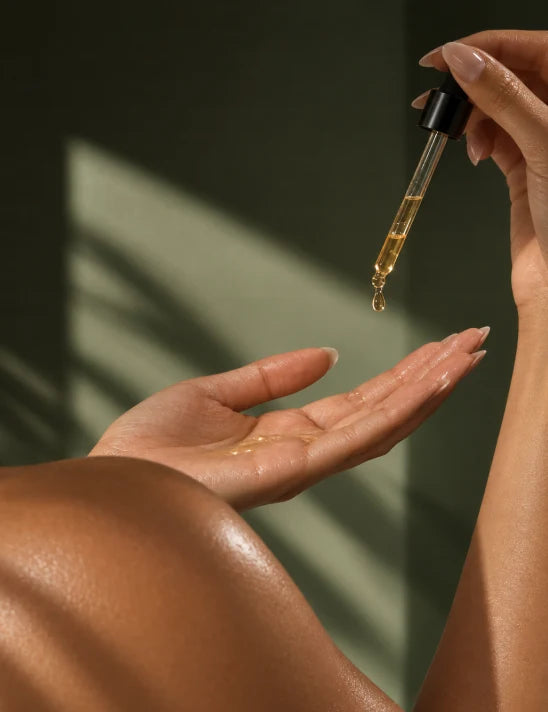
For direct moisture support, begin with a clean, dry face. Warm a few drops between your palms, then press or glide upward with light pressure. Castor oil is thick, so this gentler approach helps it spread without dragging the skin.
For a cleansing-style routine, massage the oil into dry skin for about 2 minutes, then hold a warm, damp cloth for 30 seconds before wiping away residue. That cloth step matters because it lifts excess oil instead of leaving a film behind. It is a better fit for people who want the softening feel of castor oil without a heavy finish.
A recent dermatology review notes castor oil's uses in cleansing and hydration, but it does not give standardized face-specific dosing or strong proof that undiluted facial use is the better option PMC review. For sensitive skin, that gap is the reason to start diluted and keep the first applications small. Castor oil can be practical, but its viscosity means the wrong amount can feel sticky fast, so restraint is what keeps it usable across different skin types.
Mastering the Core Application Methods
Castor oil works best when the method matches the result you want. For a simple finishing layer, use a very small amount. For a cleansing routine, massage it in first and remove it fully so the skin does not feel coated.
The moisture seal method
Castor oil functions best as the last step in a routine. After moisturizer, warm 1 to 3 drops between your palms and press it over dry areas, cheeks, or the outer perimeter of the face. If you use too much, it will not absorb cleanly. It tends to sit on top and can feel tacky or heavy.
Use the thinnest layer possible. Castor oil works better as a light seal than as a thick mask on everyday skin.
The texture becomes useful when you keep the amount small. Its viscosity helps it stay in place, which can help dry patches, but heavy application usually works against comfort. If your skin is oily or combination, keep it to the driest areas instead of coating the full face. That gives you the softening effect without the weight that can make people hesitate to use it.
The oil cleansing method
The cleansing version is more spa-like, but it still needs discipline. Start with dry skin, massage in the oil, then use a warm, damp cloth to lift the residue. That cloth step keeps the routine from feeling greasy and helps the face feel soft instead of coated, which is the same practical logic behind a castor oil as face wash approach.
This method suits readers who want a cleanser-style ritual without committing to a heavy finish. Keep the massage gentle, let the cloth do the removal, and stop once the skin feels clean and comfortable.
Small-area uses that benefit from precision
Brows, cuticles, and rough spots respond better to precision than to generous amounts. A clean spoolie or fingertip works well for brows, while a cotton swab is better for tiny dry patches. On cuticles, a little oil massaged in after handwashing usually makes more sense than trying to use it as a full-hand lotion replacement. The same careful approach also helps if you are testing castor oil on any area that tends to react quickly, because the oil's thickness can become uncomfortable fast when the layer is too heavy.
Targeted Treatments for Specific Skin Concerns
Castor oil works best when you match the application to the area. The face, hands, and rough patches all tolerate it differently, and the thicker texture means a small, targeted approach usually feels easier than trying to cover everything at once.
Brows, lashes, and delicate edges
For eyebrows, a clean spoolie or cotton swab gives you the control castor oil needs. Use only a minimal amount, brush or press it through the brow line, and keep it away from the eye itself. Lashes need even more restraint, so a tiny amount on the wand is enough.
For under-eye care or wrinkle-focused routines, Ella & Eden's castor oil for wrinkles face article follows the same practical idea, small amounts, gentle placement, and no heavy layering.
Dry hands, cuticles, and rough patches
Hands and cuticles usually tolerate castor oil well because they are less sensitive than the face and often drier. Work a drop into each hand after washing, then massage what is left into the nail folds. The texture is rich enough to feel protective, which can be useful in colder or drier weather.
Spot use on uneven texture
For scars, stretch marks, or areas that feel rough, focus on consistency and restraint rather than speed. Apply a small amount and let it sit in a thin layer, or blend it with a lighter oil if the area feels too sticky. The main trade-off is simple, castor oil can feel comforting on dry patches, but it can also become too heavy if you overapply it.
A simple tool-based approach
- Spoolie for brows: keeps product near the hair, not the skin around it.
- Cotton swab for tiny spots: useful when you want exact placement.
- Fingertip for cuticles: warms the oil naturally and keeps application gentle.
A small, careful application usually gives better results than chasing every concern with more oil. Pick one area, use a light touch, and keep the routine easy to repeat.
Customizing Your Routine with Ratios and Recipes

The practical way to use castor oil for skin is to treat it as a base ingredient, not a one-size-fits-all product. Its thickness is the main challenge, so some skin types handle it best in a tiny straight application, while others do better with a blend that spreads more easily and feels less sticky.
A Clara & Fritz guide recommends keeping castor oil in very small amounts, often just 1 to 3 drops. For acne-prone skin, lighter carriers like jojoba or sweet almond oil are often paired with it at ratios from 1:3 to 1:4 so the blend feels less heavy and is easier to tolerate.
Castor Oil Dilution Ratios by Skin Type
| Skin Type | Castor Oil Ratio | Carrier Oil Ratio | Best For |
|---|---|---|---|
| Dry | 1:1 | 1:1 | Extra-softening routines, dry patches |
| Combination | 1:3 | 3:1 | Balancing comfort without coating the full face |
| Oily | 1:4 | 4:1 | Light application, limited areas |
| Sensitive | 1:3 or more diluted | 3:1 or higher | Lower-risk introduction, patch-tested use |
A 1:1 blend with jojoba oil is a good fit for people who want castor oil's cushion without its full density. Jojoba keeps the mixture easier to spread, which matters if you do not want a thick film sitting on the skin. If your skin leans oily, grapeseed is a practical lighter partner because the finished blend feels less occlusive.
Two simple DIY mixes
Luxe lip oil: combine a small amount of castor oil with jojoba in a clean container, then tap it onto lips as needed. Keep the blend thin enough that it glides on without feeling sticky or collecting in the corners.
Soothing skin salve: mix castor oil with a lighter carrier and apply it to dry knuckles, elbows, or around the mouth. The goal is a soft, protective layer, not a glossy finish.
These recipes work because they respect the oil's density instead of forcing it to behave like a lighter oil. That trade-off matters. A richer texture can feel comforting on dry skin, but too much can leave the surface coated and hard to enjoy. Keeping the routine simple makes it easier to repeat and easier to adjust when your skin needs less weight.
Castor Oil for Skin Common Questions Answered
The same three questions come up again and again, and they matter because they decide whether the routine will feel soothing or frustrating. The short version is simple, use less, start slowly, and pay attention to how your skin responds.
Will castor oil clog my pores? It can feel heavy if you overapply it, especially on oily or combination skin. That's why small amounts, dry-area use, or dilution are the safer way to approach it.
How often should I use it? Start with 2 to 3 times per week if you're testing tolerance, then adjust based on how your skin feels. If the oil leaves a persistent film or your skin looks congested, scale back.
Can I leave it on overnight? Yes, but only if your skin tolerates it and the amount is small. Some people prefer to remove it after 15 to 30 minutes, while others like overnight wear on dry areas or with a diluted blend. The safer choice is always the one your skin likes.
Ella & Eden offers simple, single-ingredient oils that fit this kind of routine, including castor oil, jojoba oil, and other clean beauty staples for skin and self-care. If you want to compare ingredients, textures, and practical uses in one place, visit Ella & Eden and choose the oil that matches your skin's needs.