Jojoba Oil for Dry Scalp A Guide to Natural Relief
If you're dealing with the endless itch and frustrating flakes of a dry scalp, I get it. And I can tell you that jojoba oil might be the simple, powerful answer you've been looking for. What makes it so special is that its structure is incredibly similar to your scalp's natural oil (sebum). This means it can absorb deeply to restore balance, rather than just sitting on top like a greasy film that clogs your pores. It’s this unique quality that makes it my go-to recommendation for soothing irritation and delivering real, lasting moisture.
A Natural Fix for Your Dry, Flaky Scalp

A dry scalp is a clear signal that something is off with your natural moisture barrier. This can be triggered by almost anything—from stripping shampoos and product buildup to a blast of cold, dry air. The result is always the same: that uncomfortable tightness, persistent itchiness, and those pesky white flakes.
This is where introducing jojoba oil into your routine can be a game-changer. Because its molecular structure is a near-perfect match for your skin's own oils, your scalp essentially recognizes it as "friendly" and drinks it right in. Instead of just laying a heavy, greasy layer on your hair, it gets to work right at the source, balancing oil production and delivering deep hydration exactly where you need it.
Why Your Scalp Responds So Well to Jojoba Oil
Think of jojoba oil less as a typical "oil" and more as a smart regulator for your scalp. If your scalp is desperately overproducing oil to combat dryness, a little jojoba can send a signal that it has enough moisture, helping to calm things down. On the other hand, if your scalp is simply parched, it provides the gentle, non-irritating conditioning it's craving.
This incredible adaptability has made it a hero ingredient in the beauty world. It's no surprise that the global jojoba oil market has exploded, with cosmetics and personal care accounting for a staggering 74.2% of the market share. Hair care products, in particular, have leaned on jojoba to solve scalp issues, as more and more of us look for effective solutions rooted in nature. You can see more details on this trend in a market report from SNS Insider.
Key Takeaway: Jojoba oil works with your scalp, not just on it. Its sebum-like properties allow it to moisturize, soothe, and regulate without disrupting your scalp's natural state, making it ideal for sensitive or irritated skin.
To really break down its benefits, let's look at what jojoba oil is actually doing when you apply it.
Jojoba Oil for Scalp Health at a Glance
This table offers a quick snapshot of the key ways jojoba oil helps bring a dry, flaky scalp back to a healthy state.
| Benefit | How It Helps Your Scalp |
|---|---|
| Deep Moisturization | Mimics natural sebum, absorbing easily to hydrate skin layers without clogging pores. |
| Soothes Irritation | Its anti-inflammatory properties help calm itchiness, redness, and discomfort. |
| Balances Oil Production | Helps regulate an overactive or underactive scalp, reducing both dryness and greasiness. |
| Nutrient-Rich | Contains vitamins E and B, which nourish the skin and support a healthy scalp barrier. |
| Cleanses Follicles | Can help dissolve and clear away built-up sebum or product residue at the hair follicle. |
In short, it’s a multi-tasking powerhouse that addresses the root causes of scalp discomfort, not just the symptoms.
Choosing a High-Quality Jojoba Oil That Works
When you're trying to finally get some relief for a dry, itchy scalp, the quality of your jojoba oil matters just as much as how you use it. Trust me, not all oils are created equal, and the wrong bottle can leave you wondering what all the fuss is about.
To get real results, you absolutely need an oil that is both cold-pressed and unrefined. This isn't just marketing jargon; it means the oil was extracted without high heat or chemical solvents, keeping it as close to its natural state as possible.
Think of it this way: processing methods like bleaching and deodorizing strip away the very things your scalp needs—the delicate vitamin E, B-complex vitamins, and fatty acids that calm inflammation and provide deep nourishment. A pure, unrefined oil will have a beautiful golden color and a faint, nutty scent. That’s how you know all the good stuff is still in there.
Why Cold-Pressed and Unrefined Matter Most
It’s a bit like choosing between fresh-squeezed orange juice and juice from a concentrate. The cold-pressed version gives you all the natural goodness, right from the source. A heavily processed jojoba oil is like that concentrate—many of its most valuable nutrients have been degraded or filtered out completely. For a sensitive, angry scalp, a pure, additive-free product isn't just a preference; it's a necessity for genuine relief.
And it seems a lot of people agree. In 2022, cold-pressed jojoba oil captured over 63% of the market share. This huge trend, led by consumers in North America, shows a clear demand for clean, chemical-free products that actually work. If you're curious about the data, Grand View Research has a full breakdown of these consumer trends.
Pro Tip: Always read the label carefully. You want to see phrases like "100% pure," "organic," "unrefined," and "cold-pressed." If the ingredient list has anything other than Simmondsia chinensis (jojoba) oil, put it back on the shelf.
What to Look For on the Label
To make sure you’re buying a top-tier product that will actually help your dry scalp, keep an eye out for these key signs of quality:
- Extraction Method: The label must say "cold-pressed." This is non-negotiable, as it ensures the oil's potent properties are preserved.
- Purity: Look for "100% Pure Jojoba Oil." You want to avoid any blends that contain fillers, synthetic fragrances, or silicones that can irritate the scalp further.
- Organic Certification: While not a deal-breaker, a USDA Organic seal is a great bonus. It guarantees the jojoba seeds were grown without synthetic pesticides or fertilizers.
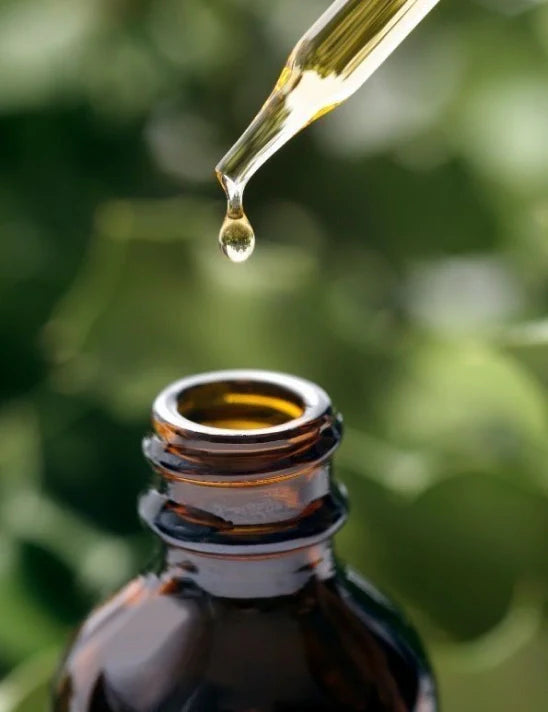
- Packaging: Quality oils almost always come in dark glass bottles, like amber or cobalt blue. This isn't just for looks—it protects the oil from light, which can cause it to break down and lose its potency over time.
Selecting a product that ticks these boxes, like the one from our pure jojoba oil collection, gives your scalp the best possible chance to heal, rebalance, and finally feel comfortable again.
How to Use Jojoba Oil for a Dry, Itchy Scalp
So, you've got your bottle of pure, high-quality jojoba oil. That's half the battle won. But the real magic happens in how you use it. Jojoba is incredibly versatile, which means you can easily adapt your routine to fit what your scalp is telling you, your hair type, and even how much time you have.
Let’s walk through three different methods I recommend to my clients. There’s no single right way to do this; it's about finding the perfect ritual for your scalp, whether you need a quick, daily dose of calm or a more intensive weekly reset.
The Deep-Conditioning Pre-Wash Treatment
This is my go-to recommendation for anyone dealing with persistent dryness and flakes. Think of it as a weekly reset for your scalp. By applying the oil before you wash, you allow it to penetrate deeply, loosen up any dry skin, and deliver a serious dose of moisture without leaving your hair weighed down later.
For this treatment, you’ll want to start with dry, unwashed hair. This lets the jojoba oil work directly with your scalp's natural oils without any interference.
- Prep the Oil: Pour about a tablespoon of jojoba oil into a small bowl. If you have very long or thick hair, you might need a bit more. A great little trick is to gently warm the oil by placing the bowl in a larger container of hot tap water for a few minutes. Warm oil not only feels amazing but also seems to absorb much more readily.
- Apply and Massage: Part your hair and use your fingertips or a dropper to apply the oil directly onto your scalp. Work in sections until your whole scalp is lightly coated. Now for the best part: spend three to five minutes gently massaging it in with the pads of your fingers. Use firm, circular motions to boost circulation and really help the oil sink in.
- Let It Soak: Leave the oil on for at least 30 minutes. If you have the time and want to level up the treatment, wrap your hair in a warm towel or pop on a shower cap. The trapped heat helps open up the follicles for even better absorption.
- Wash It Out: Hop in the shower and shampoo and condition as usual. Don't be surprised if you need to shampoo twice to get all the oil out—that’s perfectly normal.
The Lightweight Leave-In Method
What about those days between washes when your scalp starts feeling tight or a little itchy? That’s where the leave-in method comes in. It’s designed to provide a continuous, subtle layer of hydration without ever looking greasy. It’s also fantastic for taming flyaways and adding a touch of softness to your ends.
My best advice for this method: Less is more. You’re not trying to saturate your hair, just to calm the scalp with a barely-there feel.
Start with just 2-3 drops of jojoba oil. Rub the drops between your palms to warm the oil up—this is key for ensuring a light, even application.
Instead of rubbing, gently press your palms and fingertips onto the parts of your scalp that feel the most irritated. Then, you can lightly skim your hands over the lengths of your hair to use up any last bit of oil. You can do this on either damp or completely dry hair.
The Intensive Overnight Mask
For a scalp that's crying out for help—we’re talking seriously dry, flaky, or irritated—an overnight treatment is the most powerful approach. Letting the jojoba oil sit for several hours gives it maximum time to dissolve product buildup, deeply moisturize the skin, and soothe inflammation while you sleep.
The process is very similar to the pre-wash treatment, just on an extended timeline.
- Apply Generously: Before bed, work a good amount of jojoba oil (around 1-2 tablespoons) into your dry scalp. Take your time, really massaging it in for at least five minutes to stimulate the skin.
- Protect Your Pillow: You’ll definitely want to protect your bedding. Cover your hair with a silk scarf, a bonnet, or even a soft shower cap. A bonus is that this also traps a little body heat, which helps the oil work even better.
- Wash in the Morning: When you wake up, wash your hair thoroughly. Again, you'll likely need a double shampoo to make sure it's all rinsed out.
You should feel a significant difference in comfort and hydration after just one of these overnight sessions.
Creating Your Custom Jojoba Oil Scalp Treatment
While pure jojoba oil works wonders on its own, the real magic happens when you start customizing. Jojoba is what’s known as a carrier oil, which simply means it’s perfect for diluting more potent essential oils so you can safely apply them to your skin. This lets you create a personalized scalp treatment that does more than just hydrate.
By mixing jojoba with other natural oils, you can create a blend that tackles several issues at once, from boosting hair follicles to calming down frizz. It’s like being your own personal hair-care alchemist.
Pairing Jojoba with Other Oils
Think of jojoba oil as the perfect, reliable base for your scalp care recipes. Adding just a few drops of another oil can completely change the game. For example, if you’re dealing with a dry scalp and you’ve noticed a bit of extra shedding or thinning, rosemary oil is a fantastic addition.
Rosemary essential oil is well-known for boosting circulation right at the scalp. When blood flow improves, your hair follicles get more of the good stuff—nutrients and oxygen—which helps create an ideal environment for stronger growth. Combine that with jojoba’s soothing moisture, and you have a blend that both calms your scalp and encourages healthier hair. If you want to explore this further, our hair growth oil with rosemary guide dives deep into these kinds of powerful pairings.
Argan oil is another excellent partner for jojoba. If your dry scalp comes with dull, brittle hair, argan oil delivers a dose of Vitamin E and fatty acids that bring back softness and a beautiful shine.
General Rule for Blending: A good, safe starting point is to add 3-5 drops of essential oil (like rosemary or peppermint) for every one tablespoon of jojoba oil. This gives you a blend that’s effective without being too harsh for direct scalp application.
Jojoba Oil Pairings for Enhanced Scalp Benefits
To help you get started, here’s a quick look at some of the best oils to pair with jojoba, depending on what your scalp is telling you it needs.
| Paired With | Primary Benefit | Best For |
|---|---|---|
| Rosemary Oil | Follicle Stimulation | Soothing a dry scalp while encouraging healthier, stronger hair growth. |
| Argan Oil | Intense Hydration & Shine | Reviving a flaky scalp and simultaneously adding softness to dry, dull hair. |
| Peppermint Oil | Soothing Itchiness | Providing an immediate cooling sensation to calm a persistently itchy, irritated scalp. |
| Castor Oil | Deep Conditioning | Creating a thick, ultra-nourishing mask for severely dry scalps and brittle hair. |
Choosing the right oil to mix in is all about listening to your scalp. If that constant itch is driving you crazy, the cooling tingle from peppermint will feel amazing. If your hair feels just as parched as your scalp, adding some argan oil will give you that double-duty hydration you’re looking for. Don’t be afraid to play around with these simple blends—you’ll quickly find the perfect combination for a happy, balanced scalp.
Making Jojoba Oil Part of Your Scalp Care Routine
When it comes to getting a calm, balanced scalp, consistency is everything. Adding jojoba oil to your routine isn't a one-and-done fix; it’s about creating a simple habit that sticks. This is where the practical questions pop up: How often should I do this? And when will I actually see a difference?
The answer really depends on what your scalp is telling you. For most people dealing with a standard case of dryness, a deep pre-wash treatment two to three times per week is a great place to start. If your scalp is just a little thirsty or leans oily, once a week is probably all you need to keep things happy.
Tips for Safe and Effective Use
Before you go all-in with jojoba oil, you absolutely must do a patch test. This is non-negotiable, especially if your skin is sensitive or tends to react to new products. Just dab a single drop of oil on a discreet spot—behind your ear or on your inner arm works well—and wait 24 hours. If you don't see any redness or irritation, you're good to go.
Once you've passed the patch test, keep these pointers in mind for the best results:
- Listen to Your Scalp: It will give you clues. If it starts to feel greasy or your hair feels weighed down, you’re likely using too much oil or applying it too often. Simply scale back and see how your scalp responds.
- Warm It Up: Gently warming the oil before you apply it does more than just feel nice. It helps the oil spread more evenly and sink into your skin much more effectively.
- Rinse Thoroughly: One of the most common mistakes is not washing the oil out completely. Don't be afraid to shampoo twice to get rid of all the residue. This is totally normal and a key step to preventing buildup.
Troubleshooting Common Problems
Even with a straightforward product like jojoba, you might run into a snag. If your hair feels heavy or limp after a treatment, chances are you've used too much oil. Remember, a little goes a long way—a tablespoon is usually plenty for your entire scalp.
On the other hand, if you aren't seeing the results you hoped for, try increasing how often you do a treatment or letting the oil sit a bit longer before you wash it out.
Key Insight: There's real science behind why jojoba works so well. Its molecular structure is a near-perfect match for our skin's natural sebum, which means it can moisturize deeply without clogging pores. Research has even shown that jojoba is just as good as mineral oil at hydrating skin and locking in moisture, making it a proven ally for dry scalp relief. You can dig deeper into the market trends driven by jojoba oil's efficacy to see its impact.
You should feel some immediate relief from itchiness and tightness right after your very first application. With consistent use, expect to see a real drop in flakes and a healthier, more hydrated scalp within two to four weeks.
Looking for more ways to build out your routine? Check out our full collection of pure hair and skin oils.
Common Questions About Jojoba Oil for Scalp Health
When you’re trying something new for your scalp, questions are bound to come up. It's totally normal. Getting the right answers can mean the difference between seeing amazing results and giving up too soon. Let's walk through some of the most common things people wonder about when they start using jojoba oil.
Will Jojoba Oil Make My Hair Greasy or Cause Buildup?
This is probably the number one concern, and for good reason—nobody wants to trade flakes for an oil slick. Here’s the good news: jojoba oil is much less likely to cause greasiness than other oils. Its structure is incredibly close to your scalp's natural sebum, so it tends to absorb beautifully without just sitting on the surface.
The key to keeping things light and fresh is simple: moderation. If your hair feels heavy or greasy after a treatment, you probably just used a little too much. Always start small. A few drops for a leave-in or a teaspoon for a pre-wash treatment is plenty to begin with. When you use the right amount and rinse properly, it won’t clog your pores or lead to buildup.
Can I Leave Jojoba Oil on My Scalp Without Washing It Out?
You absolutely can, but it all comes down to how you’re using it. For a quick, daily dose of moisture, a tiny amount works wonders as a leave-in. Just warm 2-3 drops between your palms and lightly massage it into your scalp. It’s a fantastic way to get continuous relief from dryness and tame flyaways without needing a full wash.
However, if you're doing a more intensive treatment, like an overnight mask with a tablespoon or more of oil, you'll definitely want to wash it out in the morning. A thorough shampoo will ensure your hair looks fresh, not oily. If you have fine hair, you might find that pre-wash treatments give you all the benefits without ever weighing your hair down.
How Long Does It Take to See Results for a Dry Scalp?
You'll probably feel some immediate relief from that tight, itchy feeling right after your first application, which is a great start. But for the more visible changes, like fewer flakes, you’ll need a little patience. Consistency is everything here.
Most people start to see a real difference in scalp hydration and a reduction in flakiness within 2 to 4 weeks of regular use. Aim for about two to three applications a week. Just remember, everyone's scalp is different, so your timeline might vary based on how dry you are to begin with.
Is Jojoba Oil Safe for Color-Treated Hair?
This is an easy one: yes! Pure jojoba oil is 100% natural and completely safe for color-treated hair. It doesn't contain any of the sulfates, silicones, or harsh chemicals known to strip or dull your color.
In fact, it can actually do your color a favor. The deep moisture it provides helps restore elasticity and shine to processed hair, which can make your color look richer and more vibrant. It’s a win-win.
Ready to experience the balancing benefits of pure, cold-pressed jojoba oil? The Ella & Eden collection offers the perfect starting point for your journey to a healthier, more comfortable scalp. Discover our 100% Organic Jojoba Oil today.