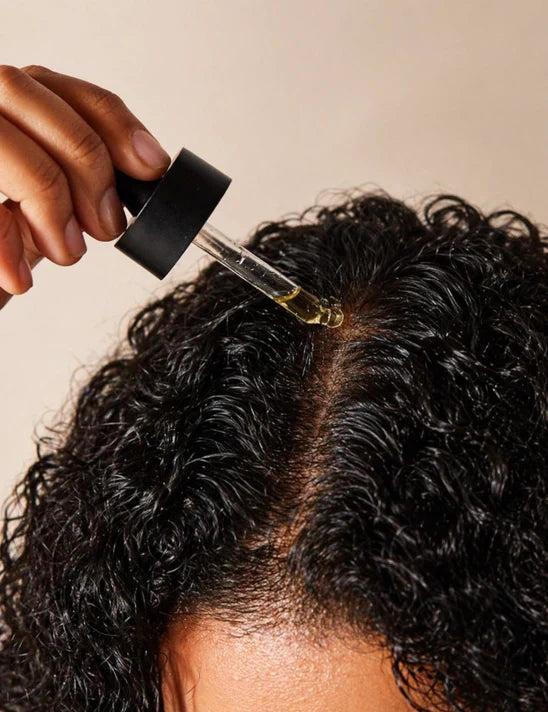
Jojoba Oil for Skin: jojoba oil for skin - benefits, uses, and tips
Jojoba oil is one of those rare skincare solutions that works by cooperating with your skin, not fighting against it. Because it so closely mirrors your skin's own natural oils, it’s a brilliant multitasker for all skin types—from oily and acne-prone to dry and mature. It hydrates, balances, and soothes, all without a hint of clogging your pores.
Why Jojoba Oil Is Skincare's Perfect Match

Finding a single product that works for your skin can feel like an endless quest. So many of us have bathroom cabinets filled with half-used bottles that promised to fix dry patches but only made our T-zone slick, or products that aimed to clear breakouts but left our skin feeling stripped and irritated. It's a frustrating and expensive cycle.
This is where jojoba oil offers a refreshingly simple answer. What truly sets it apart from other plant oils isn't just a trend—it's down to its remarkable chemical makeup.
Think of jojoba oil as a key that perfectly fits the lock of your skin's own oil glands. Because it’s so similar to your natural sebum, your skin recognizes and welcomes it, rather than treating it like a foreign substance.
The Sebum-Mimicking Superpower
While we call it an oil, jojoba oil is technically a liquid wax ester. This isn't just a scientific detail; it's the entire secret to its magic. Your skin's natural moisturizer, called sebum, is also made up largely of wax esters. This molecular likeness is why your skin recognizes jojoba oil as one of its own.
This unique ability unlocks some incredible benefits:
- For Oily Skin: When you apply it, jojoba oil can send a signal to your overactive oil glands that there's enough moisture present, helping to gently down-regulate oil production and restore a natural balance.
- For Dry Skin: It creates a light, breathable seal on the skin’s surface. This barrier locks in precious moisture and prevents water loss, delivering hydration that actually lasts without feeling greasy.
- For Acne-Prone Skin: Because it's so similar to your skin's own oils, it can help dissolve and loosen the hardened, waxy buildup that clogs pores and leads to blackheads and breakouts.
A Universal Solution for Healthier Skin
Jojoba oil works with your skin instead of just sitting on top of it, which is what makes it so incredibly versatile. It absorbs beautifully, delivering nourishment without that heavy, slick feeling that other oils can leave behind.
Whether your complexion is sensitive, mature, or just plain unpredictable, using jojoba oil for skin provides a clear path toward a calmer, more balanced complexion. This guide will walk you through the science and the simple steps to add this skincare essential to your routine for results you can see and feel.
Understanding Jojoba Oil's Unique Origins and Power
To really get why jojoba oil is so incredible for the skin, we have to go to the sun-baked deserts of the Southwestern U.S. and Mexico. This is home to the Simmondsia chinensis shrub, a tough little plant that produces seeds filled with a precious golden liquid. For centuries, indigenous communities have relied on this very liquid to soothe skin and help heal wounds.
This isn’t just folklore—it’s a history that points to the oil’s potent nature. Modern science is now catching up, confirming what traditional wisdom has known all along. One study on people with acne-prone skin found that using a clay mask with jojoba oil just 2-3 times per week led to a major reduction in blemishes after only six weeks.
Why Jojoba Oil Works So Well
The real magic behind jojoba oil is its unique chemical makeup. While we call it an oil, it's technically a liquid wax ester. This might sound like a minor detail, but it’s everything. It makes jojoba oil almost identical to sebum, the natural oil your own skin creates to stay moisturized and protected.
This molecular mimicry is the secret to its success.
Think of jojoba oil as a key that fits the lock of your skin's oil glands perfectly. Because it’s so similar to your own sebum, your skin doesn’t see it as an intruder. It recognizes it, allowing the oil to dissolve pore-clogging buildup and deliver moisture right where it’s needed.
This biocompatibility means that when you apply jojoba oil, your skin essentially welcomes it with open arms. It absorbs quickly without that greasy feeling, working with your body’s natural rhythms instead of against them. It doesn’t just sit on the surface; it integrates seamlessly to help your skin find its equilibrium.
A Nutrient-Rich Profile for Skin Health
Beyond its structural likeness to sebum, jojoba oil is brimming with nutrients that directly benefit the skin. How the oil is extracted is key to keeping these compounds intact. The best oils, like the one from Ella & Eden, are cold-pressed—a gentle method that uses no heat or harsh chemicals, ensuring the oil stays in its purest, most powerful state. You can learn more about this process in our guide on what cold-pressed oil means.
This careful handling ensures the final product is rich in skin-loving ingredients, including:
- Vitamin E: A powerful antioxidant that helps defend the skin against oxidative stress from things like UV rays and pollution, which can lead to premature aging.
- B-Complex Vitamins: These are essential for skin repair and maintenance. They play a quiet but important role in calming inflammation and supporting overall skin health.
- Key Minerals: Jojoba oil also contains important minerals like zinc and copper. Both are known to support the skin's natural healing processes and contribute to a healthy, resilient complexion.
When you use jojoba oil for skin, you’re not just applying a simple moisturizer. You’re delivering a complete package of balancing esters and vital nutrients that work in harmony to protect, repair, and restore your skin’s natural glow. This foundational power is what makes it such a reliable and beautiful choice for achieving clearer, healthier skin.
Science-Backed Benefits for Every Skin Type
What makes jojoba oil so incredibly versatile? It all comes down to its unique structure, which allows it to adapt to your skin’s specific needs, whatever they may be. Whether you’re dealing with excess shine, stubborn dryness, or the first signs of aging, this remarkably intelligent oil works with your skin to restore its natural balance and glow.
Let's dig into the science-backed benefits of using jojoba oil for skin and see how it works for different concerns.

This simple visual shows it all—a hardy desert plant gives us an oil so molecularly similar to our own sebum that it acts like a key, unlocking a calmer, healthier complexion.
The table below gives a quick overview of how jojoba oil’s key properties help address some of the most common skin issues we face.
Jojoba Oil Benefits for Different Skin Concerns
| Skin Concern | How Jojoba Oil Helps | Key Property |
|---|---|---|
| Excess Oiliness | Tricks the skin into producing less sebum by mimicking its natural oils. | Sebum-Mimicking |
| Acne & Breakouts | Dissolves hardened sebum in pores and soothes inflammation without clogging. | Non-Comedogenic & Anti-Inflammatory |
| Dryness & Flaking | Creates a protective seal on the skin to lock in moisture and prevent water loss. | Occlusive & Emollient |
| Sensitivity & Redness | Gently reinforces the skin barrier and calms irritation. | Anti-Inflammatory & Barrier-Supporting |
| Fine Lines & Wrinkles | Hydrates and plumps the skin while fighting free radical damage. | Antioxidant-Rich (Vitamin E) |
Each of these benefits stems from jojoba's unique composition, making it a reliable ally for achieving balanced, resilient skin. Now, let’s explore these benefits in more detail.
For Oily and Acne-Prone Skin
If you have oily skin, the thought of adding more oil to your routine probably sounds counterintuitive. But here’s why jojoba oil is different. Because it so closely mimics your skin's natural sebum, it helps regulate oil production instead of adding to the problem.
When you apply it, your skin gets the message that it’s already sufficiently moisturized, which helps dial back its own sebum creation. It’s a beautiful balancing act.
Plus, jojoba oil is non-comedogenic, which is just a technical way of saying it won’t clog your pores. In fact, it can help dissolve and clear away the gunk—hardened oil and dead skin cells—that leads to blackheads and pimples. Its anti-inflammatory properties also work to calm the redness and irritation that come with breakouts. If you're building a routine to manage breakouts, our guide to the best oils for acne-prone skin is a great next read.
For Dry and Sensitive Skin
For anyone with a dry or sensitive complexion, a strong, healthy skin barrier is everything. Think of it as your skin’s first line of defense, responsible for keeping irritants out and locking precious moisture in. When it’s compromised, skin can quickly become flaky, tight, and reactive.
Jojoba oil is an exceptional tool for reinforcing this barrier. It acts as an occlusive moisturizer, forming a light, breathable seal that prevents transepidermal water loss (TEWL)—the natural process of moisture evaporating from your skin. This protective layer keeps hydration locked in all day without ever feeling heavy or greasy.
This makes jojoba oil an ideal, gentle choice for soothing irritation and restoring a soft, supple feel to even the most delicate skin.
For Mature and Aging Skin
As our skin matures, it naturally produces less sebum and loses some of its elasticity. This can lead to fine lines, wrinkles, and a complexion that feels a bit dull. On top of that, environmental stressors like sun exposure and pollution create unstable molecules called free radicals, which accelerate this process by damaging skin cells.
Jojoba oil is a fantastic ally in supporting graceful aging. It’s packed with powerful antioxidants, especially Vitamin E, which is brilliant at neutralizing free radicals before they can cause damage. By defending your skin from this daily oxidative stress, jojoba oil helps preserve your natural collagen and maintain firmness.
Its deep moisturizing abilities also play a huge part. By keeping the skin consistently hydrated, jojoba helps plump its surface, which visibly softens the appearance of fine lines and gives you a more radiant glow. Using a high-quality, single-ingredient oil like Ella & Eden’s Jojoba Oil ensures you get these benefits in their purest, most effective form.
How to Use Jojoba Oil in Your Daily Skincare Routine

Understanding what makes jojoba oil so special is one thing, but knowing how to weave it into your daily life is where the real magic happens. Its greatest strength is its versatility, allowing it to simplify your routine and replace multiple products on your shelf. From a daily moisturizer to a deep-cleansing treatment, adding jojoba oil for skin is wonderfully easy and intuitive.
Before you go all-in with any new product, though, it’s always smart to do a quick patch test. This simple step helps you make sure your skin loves the ingredient and avoids any potential irritation.
How to Perform a Patch Test
A patch test is easy and gives you total peace of mind. Just follow these quick steps:
- Select a Test Area: Choose a discreet patch of skin, like the inside of your wrist, behind your ear, or on your inner elbow.
- Apply a Small Amount: Dab a single drop of jojoba oil onto the spot and gently rub it in.
- Wait and Observe: Let the oil sit for at least 24 hours. Try not to wash the area during this time.
- Check for Reactions: After 24 hours, look at the area for any signs of redness, itching, swelling, or bumps. If your skin looks and feels completely normal, you're good to go.
Key Insight: Jojoba oil is hypoallergenic and famously well-tolerated, even by sensitive skin. Still, a patch test is always a wise first move when trying something new.
Simple and Effective Ways to Use Jojoba Oil
Once you've confirmed your skin is a fan, you can start exploring all its different uses. Here are a few of the most popular and effective ways to add it to your daily rituals.
As a Daily Moisturizer The most straightforward way to use jojoba oil is as a moisturizer for your face and body. Its lightweight feel absorbs in a flash without leaving a greasy residue, making it perfect for both morning and night.
- For Your Face: After cleansing and toning, warm 2-4 drops of oil between your palms and gently press it into your damp skin. The water helps the oil lock in even more hydration.
- For Your Body: Apply a thin layer all over after a shower to seal in moisture, leaving your skin soft and supple all day long.
As a Gentle Makeup Remover Jojoba oil is a powerhouse at dissolving makeup, even stubborn waterproof mascara and long-wear foundation. It melts everything away without the harsh tugging or stripping that many conventional removers cause. Simply massage a few drops onto your dry face, then wipe it all away with a warm, damp cloth before your regular cleanser.
As the First Step in an Oil Cleanse Oil cleansing is a method that uses oil to dissolve impurities like excess sebum, sunscreen, and pollutants. Since “like dissolves like,” jojoba oil is perfect for this. Massage a quarter-sized amount into your dry skin for a minute, then follow up with your favorite water-based cleanser to wash everything away. Your skin will feel deeply clean yet incredibly soft.
As a Soothing Aftershave Treatment Both men and women can benefit from jojoba oil’s calming touch after shaving. Its anti-inflammatory nature helps reduce redness and prevent razor bumps, while its moisturizing abilities soothe and repair the skin barrier.
Targeted Anti-Aging Ritual
For those who love minimalist beauty and want to support mature skin, jojoba oil is an exceptional ally. It stands out for its ability to fortify the skin barrier and combat the oxidative stress that contributes to aging. Research even highlights its immediate impact, showing a 30% spike in hydration right after application and a reduction in key inflammatory markers by about 30%—directly addressing age-related dryness and loss of elasticity.
This targeted ritual uses jojoba to deliver those anti-aging benefits:
- Cleanse: Start with a gentle cleanser to create a clean canvas.
- Hydrate: Mist your face with a hydrating toner, like rosewater.
- Treat & Moisturize: While your skin is still damp, press 3-5 drops of a pure, cold-pressed jojoba oil like Ella & Eden's into your face, neck, and décolletage. Pay special attention to areas with fine lines.
Jojoba Oil Compared to Other Popular Facial Oils
Walking down the skincare aisle can feel overwhelming. With so many facial oils promising a healthy glow, how do you know which one is right for your skin? While most oils offer some form of hydration, they aren't all created equal. Let's compare jojoba oil to a few other popular choices to see what makes it such a uniquely reliable staple for so many people.
Think of it like this: some oils are specialists, great for one specific job. Jojoba oil, on the other hand, is the ultimate multi-tasker. It adapts to what your skin needs, rather than forcing a one-size-fits-all solution.
Jojoba Oil vs Coconut Oil
Coconut oil is famous for its deeply moisturizing properties, and it can be a fantastic helper for very dry skin on the body. But when it comes to your face, it comes with a major red flag: it’s highly comedogenic.
With a comedogenic rating of 4 out of 5, coconut oil has a high chance of clogging pores. This can easily trigger breakouts, especially if your skin is oily, combination, or acne-prone. Its heavy texture creates a thick barrier that, while protective, can also trap sebum and bacteria underneath.
Jojoba oil is a much gentler choice for the face. Its comedogenic rating is only a 2, but more importantly, it works with your skin to dissolve blockages. Instead of just sitting on top, it sinks in to help balance your natural oil production, making it a far safer bet for achieving a clear, calm complexion.
Jojoba Oil vs Argan Oil
Argan oil, often called "liquid gold," is another skincare favorite. It’s a true powerhouse for dry and mature skin, loaded with Vitamin E and fatty acids that nourish, soften, and hydrate beautifully. It does a fantastic job of delivering external moisture and antioxidant protection.
The key difference, though, lies in how these two oils interact with your skin. While argan oil adds moisture from the outside-in, jojoba oil’s true magic is its ability to mimic your skin’s own sebum. This special talent means it can do more than just moisturize—it helps regulate your skin’s own oil output.
This distinction is a game-changer for anyone with oily or combination skin. Argan oil hydrates, but jojoba oil hydrates and balances. It sends a signal to your skin that it’s already moisturized, so it doesn't need to produce excess oil. This makes jojoba a more strategic pick for keeping your skin in happy equilibrium.
A Clear Comparison of Facial Oils
To make choosing even easier, here’s a simple table breaking down the key differences between jojoba and other popular oils. You'll notice how jojoba's unique profile makes it a standout choice for a wider range of skin types and concerns.
Jojoba Oil Compared to Other Facial Oils A side-by-side comparison to help you choose the best oil for your skin's needs.
| Facial Oil | Best For Skin Type | Comedogenic Rating (0-5) | Key Benefit |
|---|---|---|---|
| Jojoba Oil | All types, especially oily, acne-prone, and combination | 2 | Balances sebum production and is non-allergenic. |
| Argan Oil | Dry, normal, and mature | 1 | Deeply moisturizes and provides strong antioxidant protection. |
| Rosehip Oil | Dry, mature, and acne-scarred | 1 | Brightens skin, reduces scars, and supports cell regeneration. |
| Coconut Oil | Very dry (body, not face) | 4 | Provides intense, heavy-duty moisture but often clogs pores. |
As you can see, while oils like argan and rosehip are excellent specialists, jojoba oil’s versatility is simply unmatched. A high-quality, pure option like Ella & Eden's Jojoba Oil delivers these balancing benefits in their most potent form, ensuring you get a product that works in perfect harmony with your skin. It’s an incredibly reliable foundation for any skincare routine, simplifying your path to a clear, healthy complexion.
How to Choose a High Quality Jojoba Oil

It’s tempting to think all jojoba oils are created equal, but that’s not quite right. The incredible benefits of using jojoba oil for skin depend entirely on the quality of the bottle you bring home. A pure, potent oil is packed with the nutrients that bring your skin back into balance, while a lesser one might just fall flat—or worse, be counterproductive.
The good news? Becoming a savvy shopper is simple once you know what to look for. You’re essentially searching for an oil that’s as close to its natural state as possible, ensuring all its brilliant properties are kept intact.
Decode the Label Like a Pro
Understanding a few key terms on the label will empower you to pick the absolute best product. These words tell you everything about the extraction and refinement process, which directly impacts the oil's nutrient profile and purity.
-
Cold-Pressed: This is the gold standard. It means the oil was mechanically pressed from jojoba seeds without high heat, which can destroy the delicate vitamins and wax esters that make it so special. Always look for “cold-pressed” to get the most powerful version of the oil.
-
Unrefined: An unrefined oil hasn't been bleached or deodorized with chemical solvents. This is why it keeps its natural golden color, subtle earthy scent, and rich profile of Vitamin E and other antioxidants. If an oil is perfectly clear and odorless, it has likely been stripped of these valuable components.
-
Organic: Choosing a certified organic jojoba oil guarantees the plants were grown without synthetic pesticides or fertilizers. This gives you a clean, pure final product free from unwanted chemical residues, making it a much safer choice for your skin.
Key Insight: The best jojoba oil should have a rich, golden-yellow hue. If it’s perfectly clear, it has likely been refined, a process that strips away many of its most beneficial skin-healing compounds.
Your Quality Checklist for Jojoba Oil
When you’re ready to buy, use this simple checklist as your guide. A truly high-quality oil will tick all these boxes, showing a brand's deep commitment to purity and effectiveness.
1. Purity and Ingredients The ingredient list should be beautifully simple: 100% Simmondsia chinensis (Jojoba) Seed Oil. Steer clear of any products with added fragrances, fillers, silicones, or other synthetics. These can dilute the benefits and potentially irritate your skin. A pure, single-ingredient formula is always your best bet.
2. Packaging Matters Jojoba oil is sensitive to light, which degrades its nutrients over time and shortens its shelf life. Always choose an oil packaged in a dark glass bottle—like amber or cobalt blue—to protect it from light damage. This small detail is a huge sign of a quality-focused brand.
3. Sourcing and Transparency Good brands are proud of where their ingredients come from and how they’re made. Look for companies that are open about their sourcing and production methods. Products like Ella & Eden’s single-ingredient Jojoba Oil, which is certified organic and cold-pressed, give you the confidence that you’re getting something pure, potent, and ethically produced.
By investing in a high-quality jojoba oil, you’re making sure your skin gets the pure, balancing nourishment it needs to truly thrive.
Frequently Asked Questions About Jojoba Oil
As you get ready to welcome jojoba oil into your daily ritual, it’s completely normal to have a few questions pop up. We’ve gathered some of the most common ones we hear, so you can feel confident and clear about adding this beautiful oil to your routine.
Will Jojoba Oil Make My Oily Skin Even Oiler?
This is the number one question we get, and the answer is a firm no. It actually does the complete opposite. Because jojoba oil’s structure is so incredibly close to your skin’s own natural oil (sebum), applying it sends a clever little signal to your oil glands telling them to slow down.
Essentially, it tricks your skin into believing it has produced enough oil already. This helps bring your skin back into balance, reducing that afternoon shine rather than adding to it. It’s a game-changer for managing a greasy T-zone.
Can Jojoba Oil Replace My Moisturizer?
For many people—especially those with oily or combination skin—the answer is a definite yes. Jojoba oil can absolutely stand in for a traditional cream moisturizer. It softens the skin and locks in moisture all in one simple, lightweight step.
But if your skin is on the drier or more dehydrated side, you might love layering it.
- For a moisture boost: Try the "moisture sandwich" method. Apply a few drops of jojoba oil to damp skin first, and then layer your favorite cream moisturizer right over the top. This seals in an incredible amount of hydration for hours.
Key Takeaway: Jojoba oil can be your sole moisturizer or act like a hydrating serum, depending on what your skin needs that day. Its adaptability is one of its best features.
How Long Until I See Results for Acne?
Good skincare is always a marathon, never a sprint. While you might notice jojoba oil’s calming effects on redness pretty quickly, seeing a real shift in acne takes consistency. It works gently by rebalancing your oil production and helping to dissolve clogs in your pores.
Most people start to see clearer, less irritated skin within 4 to 6 weeks of consistent daily use. The key is to stick with it. You’re giving your skin the time it needs to heal and find its natural, healthy rhythm—it’s not an overnight fix, but a process of restoration.
Is Jojoba Oil Safe to Use Around My Eyes?
Yes, absolutely. It’s not only safe but also fantastic for the delicate skin around your eyes. Jojoba oil is exceptionally gentle and hypoallergenic, which makes it perfect for a couple of key tasks.
It works as a wonderful eye makeup remover, melting away even stubborn waterproof mascara without any harsh rubbing or stinging. Just add a drop to a cotton pad and gently swipe. You can also pat a single, tiny drop around your orbital bone as a soothing and hydrating eye serum before bed.
Ready to discover the balancing power of a truly pure oil? The Ella & Eden 100% Organic Cold-Pressed Jojoba Oil is a single-ingredient formula crafted to work in perfect harmony with your skin.