Natural Hair Growth Oil: Your Guide to Longer, Stronger Hair
Welcome to the world of natural hair growth oil, where potent, single-ingredient botanicals become your greatest allies for healthier, longer hair. The best way to think about it is this: your scalp is a garden, and your hair is the plant that grows from it. A healthy, nourished scalp is the fertile ground required for strong, vibrant hair to truly flourish.
The Power of Natural Hair Growth Oil

This guide is here to demystify the world of natural hair oils, showing them not as magic elixirs but as targeted treatments for your scalp and follicles. Instead of promising overnight miracles, these oils work by creating the ideal environment for your hair to thrive on its own terms. They are essential tools for nurturing the very foundation of hair health.
The core principle couldn't be simpler: consistent, mindful application delivers real results. This is where the minimalist approach of single-ingredient oils, like those from Ella & Eden, truly shines. Free from fillers, synthetics, and unnecessary additives, these pure oils provide concentrated nourishment directly where it's needed most.
How Pure Oils Support Healthy Hair
Pure botanical oils work through a few key actions that support your natural hair growth cycle. Rather than just coating the hair, they get to work on the scalp and hair shaft to provide foundational benefits.
- Nourishing the Scalp: These oils deliver essential fatty acids, vitamins, and minerals right to the source. This helps combat the dryness, flakiness, and inflammation that can get in the way of healthy follicle function.
- Boosting Circulation: The simple act of massaging oil into your scalp helps stimulate blood flow, ensuring a steady supply of oxygen and nutrients reaches your hair follicles. This is absolutely crucial for encouraging robust growth.
- Strengthening and Protecting: Oils form a light, protective barrier around each hair shaft. This helps lock in moisture, reduce breakage, and prevent split ends. Stronger hair is less prone to damage, allowing it to grow longer and healthier over time.
Think of a natural hair growth oil as a nutrient-dense superfood for your scalp. Just as a healthy diet fuels your body, a pure, potent oil provides the building blocks your follicles need to produce strong, resilient hair from the very start.
This approach shifts the focus from quick fixes to long-term scalp wellness. By treating the source of hair growth—the follicle—you are investing in the future health and length of your hair. This guide will explore how simple, clean formulas provide the most effective path to achieving your hair goals, proving that less is truly more when it comes to nurturing your natural beauty.
The Science Behind How Hair Oils Stimulate Growth
To understand how a natural hair growth oil really works, you have to look past the idea of just coating your hair. The real magic happens deeper, right at the scalp and follicle, where these plant-based oils deliver their most powerful support. It's a three-part approach: nourishing, stimulating, and protecting to create the perfect environment for healthy growth.
Think of it like tending to a garden. You wouldn't just spritz water on the leaves and call it a day—you have to enrich the soil and shield the plant from harm. In the same way, hair oils work by "feeding" your scalp, strengthening the follicle, and protecting the hair you already have.
Nourishing The Scalp Foundation
A healthy scalp is the bedrock of strong, vibrant hair. When your scalp is dry, inflamed, or clogged with buildup, it simply can't do its job well. This is where a quality natural hair growth oil steps in.
These oils are full of essential fatty acids, antioxidants, and vitamins that get right to the heart of common scalp issues. Fatty acids, like oleic and linoleic acid, sink in deep to moisturize the skin, calming the dryness and flakiness that cause itching. Antioxidants, like the Vitamin E found in Argan Oil, help defend against environmental damage that can age and weaken hair follicles over time.
By delivering these vital nutrients directly to the root, you are essentially creating fertile ground for hair growth. A calm, hydrated, and well-nourished scalp is better equipped to produce strong, resilient hair strands from the very start.
Strengthening The Hair Follicle
Once your scalp is in a good place, the next step is making sure the follicles themselves are strong and active. This comes down to two key actions: boosting blood flow and helping to manage hormones that can get in the way of growth.
Massaging oil into your scalp isn't just a relaxing ritual—it physically stimulates circulation. This increased blood flow brings a fresh supply of oxygen and nutrients right to the hair follicles, which are the tiny "factories" that build each strand. A well-fed follicle is an active one.
Some oils go even further. Rosemary Oil, for instance, contains compounds shown to help block the effects of DHT (Dihydrotestosterone), a hormone directly linked to hair thinning in both men and women. By managing DHT at the scalp, Rosemary Oil helps keep follicles in their active growth phase for longer.
This isn't just folklore. The power of these oils is a big reason why the hair growth treatment market is expected to become a $839 million industry by 2034. Their effectiveness is becoming more widely recognized, especially when you consider that hair loss affects around 50% of women over 40 and 70% of men post-50. The science backs it up, too:
- One study found that Rosemary Oil improved hair count by 44%, putting it on par with conventional treatments.
- It's a staple ingredient, appearing in 48.5% of herbal hair oil formulas today.
Protecting Existing Hair Strands
Finally, a natural hair growth oil plays a vital role in preserving the hair you already have. After all, you can't grow longer hair if your ends are constantly breaking.
Oils form a light, protective seal around the hair shaft, which does two important things:
- It locks in moisture. After you wash your hair, it’s full of water. Applying an oil like Jojoba or Argan helps seal the cuticle, trapping that hydration inside. This keeps your strands flexible and much less likely to snap.
- It reduces friction and damage. This gentle coating acts as a lubricant, reducing the daily wear and tear from brushing, styling, and even just rubbing against your pillow. This means fewer split ends and less breakage, allowing you to finally see and keep the length you’re working so hard to grow.
The Best Natural Oils for Hair Growth

Diving into the world of natural hair growth oils can feel a little overwhelming at first. With so many options, how do you know which one is right for you? Think of this as your personal guide to the most effective, single-ingredient oils that truly make a difference.
We’re going to get to know four incredible oils: Castor, Jojoba, Argan, and Rosemary. Once you understand what makes each one unique, you can confidently build a routine that gives your hair exactly what it needs to thrive.
Castor Oil: The Density Promoter
If your goal is fuller, thicker-looking hair, Castor Oil should be at the top of your list. This thick, luxurious oil has been a beauty secret for generations, and for very good reason. Its real magic comes from a chemical profile you won't find in any other plant oil.
Castor Oil is famously packed with ricinoleic acid, a rare fatty acid that makes up about 90% of its composition. This compound is a game-changer for scalp health. It acts as a humectant, pulling moisture from the air to deeply hydrate your scalp and combat dryness and flaking.
Think of Castor Oil as a deep conditioning treatment for your scalp and follicles. Its rich texture coats the hair right at the root, helping to strengthen it and reduce breakage, which in turn creates the look of more volume and density over time.
Ricinoleic acid also has wonderfully soothing properties that help foster a calm, balanced scalp—the perfect foundation for healthy growth. For anyone wanting to add resilience and fullness, this oil is a true powerhouse. To learn even more, check out our complete guide to Castor Oil's benefits.
Jojoba Oil: The Ultimate Scalp Balancer
Jojoba Oil is the great harmonizer of the group, and it's perfect for anyone whose scalp can’t seem to make up its mind—behaving either too oily or too dry. What makes it so special is its incredible molecular structure. Jojoba isn't technically an oil but a liquid wax ester, and its composition is almost identical to our skin's own natural oil, sebum.
This brilliant bit of mimicry is what allows Jojoba Oil to work its balancing magic. When you apply it to an oily scalp, it can help dissolve hardened sebum and buildup, sending a signal to your skin that it can slow down oil production. Your scalp starts to feel regulated, not stripped.
On the other hand, if your scalp is dry, Jojoba offers lightweight, non-greasy moisture that absorbs in a flash without clogging pores. It’s like a healthy supplement to your natural sebum, relieving that tight, flaky feeling.
- For Oily Scalps: Helps regulate sebum for a less greasy feel.
- For Dry Scalps: Provides deep, non-comedogenic moisture to soothe and hydrate.
- For All Hair Types: Offers lightweight conditioning for hair strands, adding shine and softness.
Argan Oil: The Liquid Gold Protector
Often called “liquid gold,” Argan Oil is a precious ingredient from the kernels of Moroccan argan trees. It’s famous for its incredible ability to protect and repair the hair strand itself, making it a fantastic choice for preventing breakage and holding on to the length you work so hard to grow.
The secret to its protective power lies in its high concentration of Vitamin E and essential fatty acids. Vitamin E is a potent antioxidant that helps defend your hair from daily stressors like UV rays and pollution. This shield is key to keeping hair strong and resilient.
This rich nutrient profile makes Argan Oil a perfect finishing oil. It smooths down the hair cuticle to tame frizz and adds a beautiful shine, all without weighing your hair down. By protecting your hair from daily wear and tear, it helps you keep every precious inch you grow.
Comparing Top Natural Hair Growth Oils
To make choosing a little easier, here's a quick breakdown of these incredible oils and what they do best.
| Oil Type | Primary Benefit | Best For | Key Nutrient |
|---|---|---|---|
| Castor Oil | Promotes density & strengthens roots | Thinning hair or adding fullness | Ricinoleic Acid |
| Jojoba Oil | Balances scalp oil production | Oily or dry, flaky scalps | Wax Esters |
| Argan Oil | Protects strands & reduces frizz | Preventing breakage & adding shine | Vitamin E |
| Rosemary Oil | Stimulates scalp circulation | Encouraging active new growth | 1,8-Cineole |
Each oil brings something unique to the table. The best routine might even involve using more than one for different needs!
Rosemary Oil: The Growth Stimulator
When it comes to actively stimulating new hair growth, Rosemary Oil has become a scientifically-backed champion. This isn’t just a fragrant herb; its essential oil contains powerful compounds that work directly on the scalp to encourage growth. Its effectiveness is no longer a secret, and people are taking notice.
The global hair oil market, valued at USD 5.9 billion in 2025, is projected to soar to USD 9.4 billion by 2035. This incredible demand is driven by people looking for pure, botanical solutions like Ella & Eden's Organic Rosemary Oil to address hair thinning. In fact, herbal formulas now command a massive 48.5% market share as more of us turn away from harsh chemical products.
So how does it work? Rosemary Oil improves circulation in the scalp, making sure more oxygen and nutrients can reach your hair follicles. Studies have even found its effects to be comparable to conventional hair growth treatments, largely by helping block the follicle-shrinking effects of the hormone DHT. The results speak for themselves: in one survey, 62% of women reported thicker-looking growth after using it consistently.
How to Choose a High Quality Natural Hair Oil
So you’ve found a few oils that sound perfect for your hair. But when you’re standing in front of a crowded shelf, how can you tell which bottle holds a truly high-quality product? Choosing the right natural hair growth oil isn't just about picking a plant—it’s about understanding its journey from the farm to your hands.
Think of it like the difference between fresh-squeezed juice and a sugary drink from concentrate. One is vibrant and packed with life, while the other has been processed until its natural goodness is compromised. The same is true for hair oils, where the way an oil is made directly impacts how well it can nourish your hair and scalp.
Decoding the Label
To find the best oils, you need to learn the language of the label. A few key terms are non-negotiable for purity and potency, signaling that the oil has been handled with care to preserve its benefits.
- Cold-Pressed: This is the gold standard. It means the oil was gently extracted from seeds or nuts with a mechanical press, no high heat involved. This method keeps all the delicate nutrients, fatty acids, and vitamins intact.
- Unrefined: An unrefined oil hasn't been chemically bleached or deodorized. It might have a richer color or a more natural, earthy scent, but it also means its full nutrient profile is still there. Refined oils are often stripped of these beneficial compounds.
- Organic: When an oil is certified organic, it was made without synthetic pesticides, GMOs, or other unwanted chemicals. This is especially important for a product you’re massaging directly into your scalp.
- Hexane-Free: Sometimes, a harsh chemical solvent called hexane is used to extract oil quickly and cheaply. “Hexane-free” is your assurance that no chemical residues are left behind in your oil.
The rise of clean beauty has been a complete game-changer. As we all become more informed, we’re demanding transparency and purity from brands, pushing the entire industry to do better.
This shift toward clean, simple ingredients is reshaping how we care for ourselves. The market for nourishing hair and skin care, valued at $28.6 billion today, is expected to climb to $54.2 billion by 2036. This growth is driven by shoppers like you—in fact, 68% of women are now looking for multifunctional oils for both hair and skin. For those with sensitivities, purity is everything; user data shows 91% saw a healthier scalp when they switched to oils free from fillers. You can dive deeper into this growing market on futuremarketinsights.com.
Your Practical Checklist for Purity
When you're ready to choose an oil, use this simple checklist to read labels and websites like a pro. It will help you feel confident that you’re buying a pure, potent product that will deliver results without causing irritation.
- Check the Ingredient List: For a single-ingredient oil, the list should be beautifully simple. Look for the oil’s botanical name, like Ricinus Communis (Castor) Seed Oil, and nothing else. A trusted brand like Ella & Eden will have just that one pure ingredient.
- Look for Quality Keywords: Scan the bottle or description for "cold-pressed," "unrefined," and "organic." Seeing these terms is a great sign you're holding a superior oil. Our guide explains in more detail what makes cold-pressed oil so special.
- Avoid Red Flags: Be cautious of products with long, complicated ingredient lists. Steer clear of "fragrance" or "parfum," silicones, mineral oil, and other fillers that only dilute the active oil you’re paying for.
Creating Your Hair Growth Oil Ritual
Having the right natural hair growth oil is a great first step, but the real magic happens in how you use it. To see those incredible results, it's all about creating a consistent and enjoyable hair oiling ritual. This isn’t just another chore to add to your list—think of it as a moment of intentional self-care that directly supports your hair goals.
Let's walk through how to build your own simple, effective routine. We'll cover everything from prepping your hair to mastering the art of the scalp massage, turning your oil application into a powerful practice for growth.
Preparing for Your Oiling Ritual
Before you even open the bottle, a little bit of prep work can make all the difference. The goal here is simple: make sure the oil can absorb into your scalp and hair strands as deeply as possible.
Start with hair that's dry or just slightly damp. This allows the oil to soak right in without being watered down. Give your hair a gentle brush or comb-through to get rid of any tangles, which will make it much easier to section your hair and apply the oil evenly.
Think of this like preparing a canvas before painting. By starting with a clean, detangled base, you're making sure the oil can reach every part of your scalp and hair, delivering all its nourishing goodness without any roadblocks.
If you're doing a weekly deep treatment, you might want to gently warm the oil. Just place the bottle in a bowl of warm water for a couple of minutes. Never, ever microwave it—high heat can destroy the delicate nutrients inside. A little warmth helps open up the hair cuticle, boosting absorption for a more intensive treatment.
Mastering the Scalp Massage
A proper scalp massage is probably the single most important part of your hair oiling ritual. It does more than just feel amazing. It physically stimulates blood flow to your follicles, delivering the oxygen and nutrients they need to thrive.
The technique is straightforward but absolutely essential for kickstarting circulation.
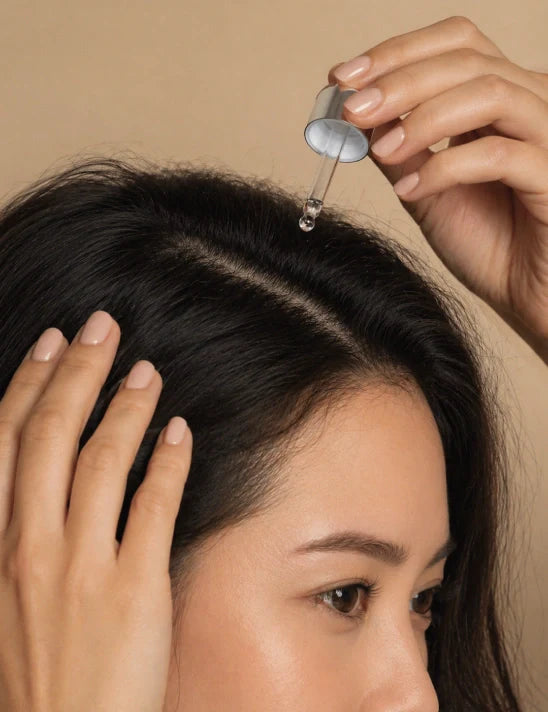
- Dispense the Oil: Start by putting a few drops of oil onto your fingertips, not straight onto your head. This gives you way more control and stops you from using too much at once.
- Apply to the Scalp: Part your hair into sections and use your fingertips to gently dab the oil along your scalp. Make sure to focus on any areas where you want to encourage more growth or where your hair feels a bit thinner.
- Begin the Massage: Using the pads of your fingertips (never your nails!), press firmly but gently onto your scalp. Move your fingers in slow, circular motions all over your head for at least 3-5 minutes. The goal is to actually move the skin on your scalp, not just rub oil over it.
This simple process helps the natural hair growth oil penetrate deep into the follicles while giving your circulation the boost it needs for a healthy growth cycle.
Tailoring Your Routine to Your Needs
Not everyone’s hair needs the same thing. The beauty of single-ingredient oils is how easily you can adapt them to your specific goals. Here are a few ideas for building a routine that works for you.
- The Weekly Deep Treatment: This is perfect for intensive nourishment and getting your scalp in top shape. Apply a generous amount of Castor Oil to your scalp and hair, massage it in thoroughly, and leave it on for at least an hour (or even overnight) before you shampoo.
- The Pre-Shampoo Protector: Ideal for shielding dry, fragile ends from stripping cleansers. Before washing your hair, apply a lighter oil like Argan Oil to the mid-lengths and ends. This creates a barrier that helps prevent your shampoo from zapping away natural moisture. You can dive deeper into how to protect your hair with Argan Oil in our dedicated guide.
- The Daily Growth Stimulator: For targeted growth, a quick daily scalp massage can be incredibly effective. Just use a few drops of a stimulating oil like Rosemary Oil on your fingertips and massage it into your scalp for a few minutes each day. Since you're using such a small amount, you might not even need to wash it out.
The visual guide below shows the key quality markers to look for when choosing an oil, making sure your ritual is built on a foundation of purity and potency.

This process highlights why choosing an oil that is cold-pressed, unrefined, and organic is so important. It guarantees you're getting the maximum nutrient content and purity for the best possible results.
Your Questions on Natural Hair Growth Oils, Answered
As you get ready to welcome a natural hair growth oil into your routine, it’s completely normal to have a few questions. Understanding how to use these oils safely and effectively is the secret to getting the beautiful results you’re looking for.
We’ve gathered some of the most common questions we hear and answered them in a clear, straightforward way. Think of this as your go-to guide for feeling confident on your hair growth journey.
How Long Does It Take to See Results From Hair Oil?
Patience and consistency are the two most important parts of any hair care ritual. Hair grows, on average, about half an inch per month. Because you’re nourishing new growth right from the follicle, the changes you’ll see are gradual but incredibly meaningful.
When using a natural hair growth oil consistently, most people start to notice the first small shifts within 4 to 6 weeks. These early signs often look like better scalp health—less dryness or itchiness—along with reduced shedding and a lovely new softness to your hair.
More significant changes in hair thickness and length usually become noticeable after 3 to 6 months of regular use. Remember, you’re building the foundation for healthier hair, so the results build on each other. Taking progress photos every month is a fantastic way to see those slow, steady, and positive changes over time.
Can I Use Hair Oil if I Have an Oily Scalp?
Yes, and you might be surprised by how much it helps. It can feel counterintuitive to add oil to an already oily scalp, but the right oil can actually help restore balance.
Often, an oily scalp is a sign that it’s dehydrated. Harsh shampoos can strip away your natural oils, triggering your scalp to overproduce sebum to compensate. Using a lightweight, non-comedogenic oil like Jojoba Oil can signal to your scalp that it’s properly moisturized, helping to regulate that overproduction. Jojoba’s structure is so similar to your skin's own sebum that your scalp essentially recognizes it and calms down.
The key is all in the application:
- Use a very small amount—just a few drops are plenty.
- Focus on applying it directly to the scalp, not all over your hair.
- Massage it in gently, then be sure to shampoo it out thoroughly.
- Stick to a light treatment just 1-2 times per week.
This approach helps rebalance your scalp without ever weighing your hair down.
What Is the Difference Between a Single Oil and a Blend?
Choosing between a single oil and a blend really comes down to your personal goals and your skin’s sensitivity. Both have their place, but they serve different purposes.
A single-ingredient oil gives you the pure, undiluted benefits of one specific plant. This is the perfect approach if you want to target a specific concern, like using Castor Oil for density or Argan Oil for frizz. It’s also the ideal choice for anyone with sensitive skin because it dramatically lowers the risk of a reaction—you know exactly what you’re putting on your scalp.
On the other hand, hair oil blends combine several different oils to offer multiple benefits in one bottle. While they can be convenient, they also sometimes contain lower concentrations of the most powerful oils and may include fillers, silicones, or synthetic fragrances you might want to avoid.
For a clean, minimalist routine that prioritizes potency and purity, starting with single-ingredient oils ensures you get the maximum benefit from every single drop.
Should I Apply Oil to Wet or Dry Hair?
This is a great question, and the best method depends entirely on your goal. There isn’t one right answer, so feel free to adapt your technique to what you want to achieve.
- For Scalp Treatment and Growth: Apply your oil to a dry or slightly damp scalp before you shampoo. This allows the oil to penetrate the follicles most effectively without being watered down. This is the best method when using a natural hair growth oil like Rosemary or Castor for a deep-conditioning scalp ritual.
- For Sealing Moisture and Reducing Frizz: Apply a few drops of a lightweight oil, like Argan or Jojoba, to the lengths and ends of damp, towel-dried hair. Here, the oil acts as a sealant, locking in the water that’s already in the hair shaft. This keeps your strands hydrated, soft, and protected from frizz as they dry.
A word of caution: avoid applying a lot of oil to wet hair right before heat styling. This can essentially "fry" your hair and lead to damage. When in doubt, go with dry hair for scalp treatments and damp hair for protecting your strands.
At Ella & Eden, we believe in the power of pure, single-ingredient botanicals to enhance what’s naturally yours. Our collection of cold-pressed, organic oils provides the perfect foundation for a clean and effective hair growth ritual you can trust.