Natural Oils for Glowing Skin: A Simple Routine for Radiant Skin
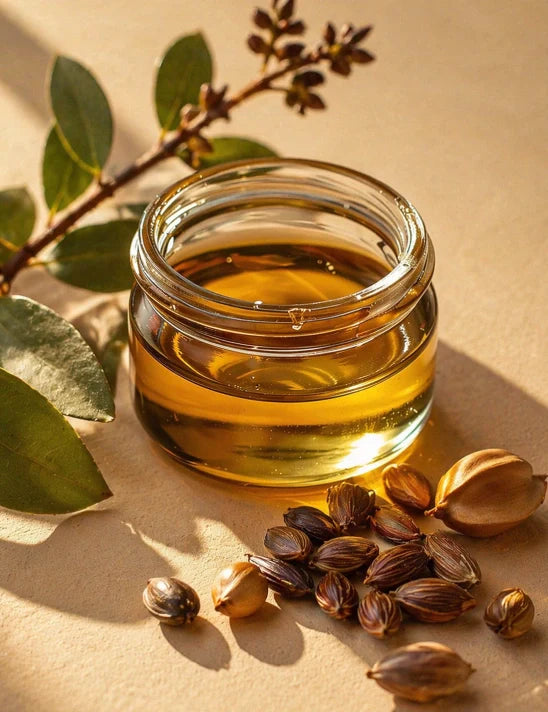
It turns out, the secret to genuinely radiant skin isn't found in a complicated, 10-step routine. More often than not, it’s tucked away in a simple bottle of pure, natural oil. Using natural oils for glowing skin isn't just a trend; it's a return to what our skin fundamentally understands and needs.
Oils like Jojoba, for instance, are incredibly close to the sebum our skin produces naturally. This means your skin welcomes it, allowing the oil to deliver a healthy, hydrated glow almost instantly.
The Science Behind a Naturally Radiant Complexion

Have you ever wondered how just a few drops of oil can take a dull, tired complexion and make it look luminous? The answer lies in their amazing biocompatibility. Our skin recognizes the compounds in natural oils, unlike many synthetic ingredients found in complex lab-created formulas.
This is exactly why so many of us are moving towards simpler, more transparent skincare. People want authentic ingredients that actually work. In fact, this demand is so strong that by 2026, the natural oils segment is expected to make up 33.8% of the global organic skincare market—a market projected to hit a massive USD 24.47 billion by 2032. If you're curious, you can explore the market trends in organic skincare to see just how much pure ingredients are taking over.
The Building Blocks of a Healthy Glow
So what’s the secret sauce inside these oils? It all boils down to their molecular structure. They are absolutely packed with the essential building blocks your skin needs to maintain a strong, resilient, and radiant barrier.
A great way to think about your skin barrier is like a brick wall. Your skin cells are the bricks, and the lipids (the natural fats) are the mortar holding it all together. When that mortar is weakened by things like pollution, harsh cleansers, or even just time, your wall becomes compromised. This leads to dryness, irritation, and that dreaded dullness.
Natural oils work by replenishing this "mortar" with a powerhouse of nutrients:
- Essential Fatty Acids (EFAs): Our bodies can't make critical Omega-3 and Omega-6 fatty acids on their own. Applying them topically with oils like Argan or Jojoba gives your skin a direct dose of nourishment, helping to lock in moisture and strengthen that barrier.
- Vitamins: Many oils are naturally rich in skin-loving vitamins. Vitamin E, for example, is a potent antioxidant that acts as a shield, helping protect your skin from the daily environmental damage caused by free radicals from pollution and UV rays.
- Antioxidants: Compounds like polyphenols and flavonoids are your skin’s best friends for fighting oxidative stress—a major cause of premature aging and a lackluster complexion. They help calm inflammation and give you a more even, glowing skin tone.
A strong, well-nourished skin barrier is the true foundation of glowing skin. When your barrier is healthy, it gets much better at holding onto moisture and reflecting light, creating that natural, dewy luminosity that no highlighter can ever truly duplicate.
Why Your Skin Loves Certain Oils
Some oils are particularly brilliant because they’re practically a perfect match for our skin. Take Ella & Eden's pure Jojoba Oil—its chemical structure is incredibly similar to our skin’s own natural oils.
Because of this similarity, your skin doesn't treat it like a foreign substance. Instead, it uses it to find balance, helping to hydrate dry patches or signal to oily areas that they can slow down production.
This deep connection between nature and our own biology is why a single-ingredient oil can often be the most effective tool in your skincare arsenal. It's not about adding more products; it's about giving your skin the pure, potent nourishment it needs to heal and glow all on its own.
How to Choose the Right Natural Oil for Your Skin
Figuring out which natural oil is right for your face can feel overwhelming, but it doesn't have to be. It's less about guessing and more about understanding what your skin is trying to tell you.
Think of it this way: if your skin feels tight, parched, and looks a bit lackluster after you wash it, it's practically crying out for moisture and lipids. That's your cue to grab a richer, more conditioning oil. On the other hand, if your skin is easily irritated or prone to congestion, a lighter oil that won't clog your pores is definitely the way to go. The secret to that radiant, healthy glow is simply learning to listen to your skin's signals.
Matching Oils to Your Skin Type
One of the biggest misconceptions I hear is that oils are a one-way ticket to breakouts. That couldn't be further from the truth! The right oil can actually bring incredible balance, even to oily and acne-prone skin. It all comes down to the oil's unique composition and how it feels on the skin.
It’s no surprise that plant-based formulas are taking over, now holding a 57.4% market dominance as more of us turn away from harsh, synthetic ingredients. For anyone with sensitive skin, this is fantastic news; pure plant oils have been shown to reduce irritation by 40-50% compared to many lab-created alternatives. The trend is clear: people want pure, effective ingredients, as highlighted in these insights into the skincare oil market.
Let's get into which oils work best for your specific skin type.
Natural Oil Selector: Your Guide to Glowing Skin
To make it even easier, here’s a quick guide to help you find the perfect Ella & Eden oil. Whether you're trying to calm oily skin or give dry patches some serious love, this table will point you in the right direction.
| Oil | Best For Skin Type | Key Benefits | Comedogenic Rating (0-5) | Ella & Eden Product |
|---|---|---|---|---|
| Jojoba Oil | Oily, Acne-Prone, Combination, Sensitive | Balances sebum, soothes inflammation, non-greasy | 2 | Pure Jojoba Oil |
| Argan Oil | Dry, Mature, Sensitive | Deeply nourishes, restores skin barrier, boosts elasticity | 0 | Pure Argan Oil |
| Rosehip Oil | All types, especially Dull or Mature | Brightens, fades scars, promotes cell renewal | 1 | Pure Rosehip Oil |
Simply find your skin type in the chart to discover your ideal match for a healthy, radiant complexion.
Here’s a more detailed breakdown based on my experience:
-
For Oily or Acne-Prone Skin: Jojoba Oil is your secret weapon. Its molecular structure is remarkably similar to your skin's natural sebum. This essentially tricks your skin into thinking it has produced enough oil, helping to dial back overproduction. It's incredibly lightweight, won't clog pores, and its anti-inflammatory nature helps calm down active breakouts.
-
For Dry or Mature Skin: Argan Oil is a true skin savior. Packed with Vitamin E, antioxidants, and essential fatty acids, it works wonders to nourish deeply and rebuild a compromised skin barrier. If you struggle with flaky patches or notice fine lines becoming more prominent, a few drops of Argan Oil can bring instant relief and lasting repair.
-
For Sensitive Skin: Gentle and calming is the name of the game. Both Jojoba and Argan are fantastic choices here. They are known for their soothing properties and are very unlikely to cause a reaction. Their anti-inflammatory benefits are great for toning down redness and comforting irritated skin.
-
For Combination Skin: Once again, Jojoba Oil shows its incredible versatility. You can use it all over to help bring harmony to both the oily and dry zones. Another great trick is to "spot treat"—apply Jojoba to your T-zone and then press a slightly richer oil, like Argan, onto drier areas like your cheeks.
Pro Tip: Your skin isn't static; it changes with the weather, your diet, and even your stress levels. A lightweight oil might be your go-to in the humid summer months, but you'll likely need something more nourishing to combat dry winter air. Don't be afraid to listen to your skin and adjust your routine as needed.
Integrating Oils into Your Daily Skincare Rituals
Using natural oils doesn't have to be complicated. In fact, knowing just a few simple techniques can turn your daily skincare routine into a true self-care ritual, delivering that coveted glow you've been looking for. The trick is to make natural oils for glowing skin feel like an intuitive part of your day, not another chore.
A lot of people are hesitant to use oil in the morning, worried it will leave their skin looking greasy. I get it. But with the right application, it’s a game-changer. My personal favorite hack? I add a single drop of a lightweight oil, like Ella & Eden’s Jojoba Oil, directly into my daily SPF. I just mix them together in my palm before applying. This gives my sunscreen a gorgeous, dewy finish and an extra boost of hydration that lasts all day, with zero greasiness.
This simple diagram is a great starting point for figuring out which oil is your perfect match.

It really boils down to three simple actions: figuring out what your skin needs, matching it to an oil’s benefits, and always doing a quick patch test to be safe.
Your Evening Restoration Ritual
Nighttime is when face oils truly get to work, acting as a deeply restorative treatment while you sleep. Once you’ve cleansed, toned, and applied any water-based serums, your skin is perfectly prepped for the final, nourishing step. This is the ideal time to reach for a richer, more reparative oil like Argan Oil.
Take two to three drops and warm them between your palms. Instead of rubbing, gently press the oil into your face and neck. This pressing motion is key—it helps the oil absorb more effectively and turns your routine into a calming, mindful moment before bed.
Here's the golden rule of skincare layering: oils always go last. Think of your oil as a luxurious topcoat for your skin. Its larger molecules create a seal that locks in all the wonderful ingredients from your serums and moisturizers, preventing precious hydration from evaporating overnight.
Mastering the Art of Layering
Layering your products correctly makes a huge difference in how well they work. The rule of thumb is to apply them from the thinnest consistency to the thickest. This allows each product to penetrate the skin properly without being blocked by a heavier one applied too soon.
A simple evening layering sequence looks something like this:
- Cleanser: Always begin with a clean canvas.
- Toner: This rebalances your skin’s pH and provides the first layer of hydration.
- Serums: Apply your targeted treatments, like hyaluronic acid for hydration or antioxidants.
- Moisturizer: Add your go-to cream to soften and further hydrate the skin.
- Face Oil: Finally, press in a few drops to seal everything in place.
Following this order ensures you get the maximum benefit from every single product. If you're curious to learn more about a powerhouse oil like Argan, we have a whole guide on The Beauty of Argan Oil you might find helpful.
Create Your Own Custom Treatments
One of the best things about single-ingredient oils is their versatility. You can easily create your own simple, effective treatments. For an overnight brow and lash boost, I love mixing a tiny bit of Castor Oil with a drop of a carrier oil like Jojoba. I just apply it with a clean spoolie before bed. It's a minimal-effort ritual that supports stronger, healthier-looking brows and lashes.
Once you get the hang of these simple techniques, you'll see just how easy it is to make natural oils a cornerstone of your skincare routine.
Advanced Techniques to Maximize Your Glow

So, you've gotten the hang of applying and layering your oils. Now, let’s get into the good stuff—the techniques that take your routine from simple to spa-worthy and really amplify that radiant glow. These are the little secrets that help you get the most out of every single drop.
One of the most powerful things I've incorporated into my own routine is facial massage. It feels incredibly luxurious, but it’s more than just a moment of self-care. It’s a physical way to kickstart your circulation, bringing a rush of oxygen and nutrients to your skin cells. You’ll notice the difference almost immediately.
Perform a Lymphatic Drainage Facial Massage
Ever wake up feeling a bit puffy, especially around your eyes or along your jaw? That’s often due to fluid buildup. A gentle lymphatic drainage massage is designed to get that stagnant fluid moving, helping to de-puff and define your facial contours.
Here’s a quick and easy way to do it at home:
- First, start with a clean face. Warm 3-4 drops of a good "slip" oil, like Argan or Jojoba, between your palms.
- Gently press the oil onto your face and neck.
- Using just your fingertips or a gua sha tool, begin at the center of your forehead and glide outwards toward your temples.
- Then, sweep from the sides of your nose, across your cheeks, and out toward your hairline.
- Finish by moving from your chin up along your jawline toward your ears. Remember to always use light, upward, and outward strokes.
This ritual takes just a few minutes, but the payoff is huge. It visibly reduces puffiness and leaves your skin with a healthy, natural flush.
Don't underestimate the power of touch. A consistent facial massage doesn’t just provide an instant glow; it helps tone facial muscles and improves product absorption over time, making your entire routine more effective.
Master the Art of Oil Cleansing
I know, washing your face with oil can sound completely backward. But the science behind it is simple: like dissolves like. The oil you massage into your skin grabs onto all the "bad" oils—like excess sebum, makeup, sunscreen, and daily grime. When you add water and rinse, it all washes away without stripping your skin’s precious moisture barrier.
For anyone who's ever used a harsh, sudsy cleanser and been left with that tight, squeaky feeling, oil cleansing is a game-changer. It leaves your skin feeling incredibly soft, supple, and truly clean. It’s especially brilliant for melting away stubborn waterproof mascara. Just massage the oil onto dry skin for a minute, add a splash of warm water to emulsify it into a milky liquid, and rinse everything away.
Create Simple DIY Oil-Based Treatments
You don’t need a degree in cosmetic chemistry to create powerful skin treatments. Single-ingredient oils are the perfect starting point for incredibly effective DIY masks using ingredients you probably already have in your kitchen.
Here’s one of my absolute favorite hydrating masks for when my skin feels tight and thirsty:
- The Recipe: Simply mix one teaspoon of Ella & Eden's pure Argan Oil with about half a teaspoon of raw honey.
- The Application: Spread the blend over clean, damp skin and relax for 15-20 minutes.
- The Result: Rinse it off with lukewarm water, and you’ll find deeply hydrated, soft, and glowing skin. The honey acts as a natural humectant, pulling moisture into the skin, while the Argan Oil seals it all in with nourishing fatty acids.
How to Patch Test and Troubleshoot Common Concerns
Getting started with a new skincare product should be exciting, but I always tell people to take one crucial safety step first. Before you dive into using your new natural oils for glowing skin, a quick patch test will give you total peace of mind.
It’s really simple. Just dab a single drop of the oil onto a small, out-of-the-way spot, like the skin behind your ear or on the inside of your wrist. Then, wait 24 hours. If you don't notice any redness, itching, or irritation, you're good to go. This little check ensures your skin is ready to embrace the oil's benefits.
Troubleshooting Common Worries
Even with a successful patch test, questions can pop up as you begin using oils in your routine. Let’s walk through a couple of the most common issues I hear about and how to fix them.
Concern: "My oil feels too heavy or greasy."
This is a very common feeling, but the solution is usually straightforward. With pure oils, less is always more. Make sure you’re only using 2-3 drops for your entire face—that's all you need!
Another great tip is to apply the oil while your skin is still slightly damp, right after you've cleansed or used a toner. The moisture helps the oil spread thinly and absorb much more quickly, leaving your skin feeling dewy and soft, not slick.
Concern: "I think I might be breaking out."
It's so important to figure out if you're experiencing a "purge" or an actual breakout. Purging can happen when a new active ingredient speeds up skin cell turnover, causing underlying clogs to surface all at once. It typically shows up as small pimples in areas where you normally get them and should resolve within a few weeks.
But if you’re seeing breakouts in new places, or experiencing persistent redness and irritation, that particular oil probably isn't the right match for your skin.
If an oil feels too rich, don't write off face oils completely! Just pivot to a lighter, less comedogenic option. For instance, if a heavy oil is causing trouble, a wonderfully lightweight choice like Ella & Eden's Jojoba Oil could be the perfect swap to rebalance your skin without clogging pores.
It’s no surprise that as more people look for genuine, clean ingredients, the plant-based skincare market is thriving. It reached USD 1,109.7 million in 2024 and is on track to hit USD 2,394.1 million as consumers increasingly put their trust in pure, USA-bottled formulas. You can explore the growing plant-based skincare market to see just how big this movement has become. Ultimately, learning to listen to your skin is the most valuable skill you can develop.
Your Natural Oil Questions Answered
Diving into the world of facial oils can feel like learning a new language. You're bound to have questions, especially when you're just starting out. Let's clear up a few of the most common ones so you can feel totally confident in your new routine.
Can I Really Use Oils on Oily or Acne-Prone Skin?
Yes, you absolutely can! It’s one of the biggest myths in skincare that you need to run from oils if your skin is already oily. In my experience, using the right kind of oil is one of the best things you can do to bring your skin back into balance.
A non-comedogenic oil like Jojoba is the perfect example. Its molecular structure is a dead ringer for your skin’s own natural sebum. When you apply it, your skin gets a signal that it has enough oil and can slow down its own production. This simple trick helps curb that frustrating excess shine. Plus, its anti-inflammatory properties are fantastic for calming the redness that always seems to show up with a breakout.
The key is to start small—just a drop or two on clean, damp skin—and steer clear of heavier oils known to clog pores.
How Long Until I See a Real Difference?
You’ll probably notice an immediate softness and a nice, subtle dewiness right after your first application. But the truly amazing results? Those come with consistency. For the kind of changes you can really see and feel—like smoother texture, softened fine lines, and a lasting, healthy glow—give it at least 4 to 6 weeks.
This gives your skin enough time to complete a full renewal cycle. It allows all those potent nutrients in the oil to truly get to work repairing and strengthening your skin's protective barrier.
My Personal Tip: Snap a 'before' photo in natural, indirect light when you begin. A month later, take another one in the same spot. You’ll be genuinely surprised by the progress that you might miss just looking in the mirror each day.
Do I Apply Oil Before or After Moisturizer?
Think of your face oil as the final, protective layer of your routine—the grand finale. It should always go on last. At night, apply it right after your moisturizer. In the morning, it goes on just before your sunscreen.
The golden rule of skincare layering is to go from the thinnest to the thickest consistency. Oils are occlusive, which means they form a light, protective barrier on the skin's surface. Applying them last is what locks in all the hydration from your serums and creams, stopping moisture from escaping and actually making your other products work better.
Why Are "Cold-Pressed" and "Unrefined" So Important?
These aren't just marketing buzzwords; they are your guarantee of a high-quality, effective oil. When you see these on a label, you know you're getting the good stuff.
- Cold-Pressed: This means the oil was extracted without high heat. Heat is the enemy of delicate nutrients, destroying the very vitamins, antioxidants, and fatty acids that your skin craves.
- Unrefined: This tells you the oil is in its purest state—it hasn't been chemically treated, bleached, or deodorized. All of its powerful nutrients are still intact.
Choosing cold-pressed and unrefined oils ensures you’re feeding your skin the most potent, nutrient-dense product you possibly can.
Ready to find the perfect pure, cold-pressed oil for your skin? Explore the Ella & Eden collection and start your journey to a naturally radiant complexion today.