Rose Water Toner for Sensitive Skin: Find Your Perfect Match
Your skin flushes after cleansing. A toner stings, then the mirror shows more redness than before. That's the point where a lot of people start looking for a softer option, something that feels calming instead of corrective. Rose water toner for sensitive skin often lands on that shortlist because it sounds simple, familiar, and gentle, but the label can hide a wide range of formulas.
The word rose water can mean a pure steam-distilled hydrosol, or it can mean a blended toner with fragrance, preservatives, and other extras. That difference matters a lot for reactive skin. If you've been trying to find a bottle that hydrates without triggering a flare-up, the details on the ingredient list matter more than the pretty packaging.
Finding Calm in a Bottle
A lot of sensitive-skin routines start with a bad first impression. Someone buys a floral toner because it's marketed as soothing, applies it after cleansing, and feels a familiar sting around the nose or cheeks. That experience can make every new toner feel suspicious, even when the ingredients look mild at first glance.
Rose water has stayed popular for a simple reason, it has a gentle reputation that goes back centuries, and modern reviews describe it as a low-irritation, steam-distilled botanical from Rosa damascena petals. A commonly cited 2011 study in Complementary Therapies in Clinical Practice found reduced redness and improved hydration after four weeks of twice-daily use, which points to a soothing effect rather than a dramatic treatment effect. That fits the way many sensitive-skin users want to use it, as a calm, light step that doesn't fight the skin.

Why the gentle reputation holds up
Skin barrier health is closely tied to pH, and the facial-skin range is usually described as about 4.5 to 5.5. Rose-water toners are often marketed to stay near that range, which is one reason they're seen as a softer alternative to harsher, alcohol-based toners. The appeal is not that rose water is a powerhouse active. It's that it can sit gently in a routine without overwhelming already reactive skin.
If you're already building a calmer routine, a simple product philosophy helps. The guidance in clean skincare for sensitive skin lines up with this idea, keep the routine short, keep the formula clear, and avoid adding extra triggers just because the bottle looks natural. Rose water makes the most sense when it supports that approach, not when it complicates it.
Not All Rose Waters Are Created Equal
The bottle might say “rose toner,” but the formula can tell a very different story. Pure rose hydrosol is the steam-distilled water from rose petals. A formulated rose toner is something else entirely, a product that may include rose extract, added fragrance, preservatives, solvents, or acids layered in for shelf life or feel.
Consider the distinction between juice and a fruit-flavored drink. Both may taste like fruit, but one is simple and direct, while the other may be diluted and rebuilt with extra ingredients. For sensitive skin, that difference is huge because the skin reacts to the full formula, not the romantic name on the front label.
What the skin actually gets
Rose water is best understood as a low-irritation, aqueous botanical distillate. Its useful compounds, including phenolic components such as gallic acid, quercetin, kaempferol, and related flavonoids and terpenoids, are associated with anti-inflammatory and antioxidant activity in lab and animal models, according to science-focused ingredient reviews. That supports a soothing, redness-calming role, but it doesn't turn rose water into a strong corrective treatment.
Practical rule: if the bottle needs a long ingredient story to explain why it's gentle, it probably isn't as minimal as it sounds.
The useful question isn't “does it contain rose?” It's “what else did the manufacturer put in it?” A rose toner can still be soft on skin, but only if the rest of the formula stays quiet. That's why a minimalist consumer should look past the floral marketing and examine whether the product is really a hydrosol, or just a rosy-scented toner in disguise.
How to Choose a Truly Gentle Formula
The ingredient list is where the truth shows up. Independent analysis found that over 68% of rose-infused toners contained at least one high-irritancy preservative or solvent, and over 42% had a pH outside the optimal skin range, with some pushed below pH 4.0 by added citric acid. That means the rose itself may be mild, while the finished product still feels harsh.

What to scan for on the label
Start with the first few ingredients, because they usually tell you how the product behaves. If you see Rosa Damascena Flower Water high on the list and the formula stays short, that's a strong sign you're looking at a simple hydrosol. If you see denatured alcohol, synthetic fragrance, essential oils, strong preservatives, or acidifiers, the product may be less predictable for sensitive skin.
If you prefer to compare examples before shopping, the best rose water for face guide is helpful because it keeps the focus on formula simplicity rather than fragrance-heavy marketing. One Ella & Eden option is an alcohol-free rose water spray positioned as a single-ingredient rose hydrosol, which is the kind of format many sensitive-skin users look for when they want less guesswork.
A fast label check
- Short ingredient list: Fewer extras usually means fewer possible triggers.
- No added fragrance: “Fragrance” can be a problem even when the scent feels soft.
- No drying alcohols: These can undo the comfort you're trying to add.
- Stable pH and plain hydrosol base: Better odds of a calmer experience.
A gentle bottle doesn't need to feel fancy. It needs to feel boring in the best possible way.
A Safe Start Your Patch Test and Application Guide
Even a simple formula deserves a test drive. Sensitive skin can react to botanicals, preservatives, packaging residue, or just a shift in routine, so a patch test isn't extra caution, it's basic protection. The safest approach is slow and specific, especially if your skin tends to flush easily.
Start behind the ear or on the inner arm, then apply a small amount and leave it alone. Check the area over the next 24 to 48 hours for stinging, lasting redness, bumps, or itching. If the spot stays calm, you can try it on a small section of the face before moving to full use. A step-by-step reminder from how to patch test skincare can make this feel less guessy and more routine.
How to apply it without overdoing it
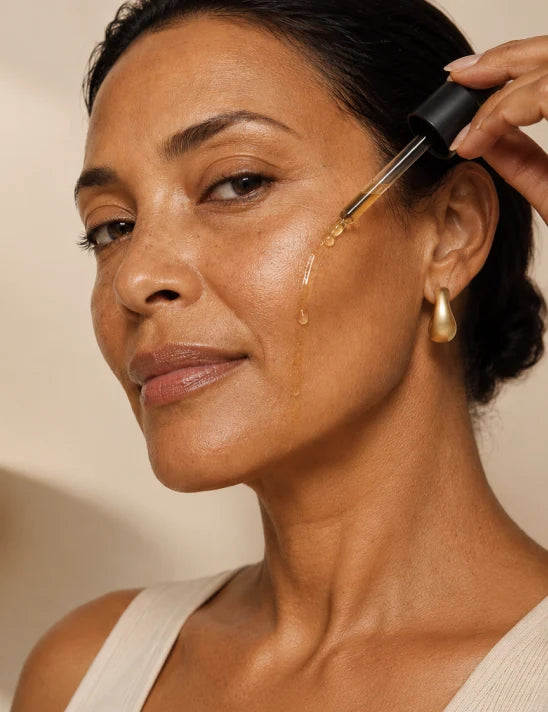
A fine mist spray is usually the least irritating option because it avoids rubbing. A soft cotton pad works too, but it can create friction if your skin is already raw or dry. Use the toner after cleansing and before moisturizer, then stop there. Sensitive skin often does better with fewer layers, not more.
Apply once, wait, and listen to your skin before adding anything else.
If your face feels tight after cleansing, rose water can act like a light buffer before the rest of your routine. If your skin is in a flare, keep the rest of the routine simple as well. The toner should support comfort, not become another experiment.
Beyond Toning Simple Rituals and DIY Notes
Rose water doesn't have to be just a toner. A clean mist can be used as a brief midday refresh, a light scalp spray, a makeup-setting spritz, or a cool compress for tired eyes. Those uses work because the product stays simple and low-effort, which suits people who don't want a cabinet full of complicated bottles.

DIY sounds simple, but storage matters
Homemade rose water gets a lot of attention because it feels pure, but it also brings practical risks. Guides on rose water as a toner recommend refrigeration and use within two weeks, and they warn that adding witch hazel or citrus oils can increase irritation and photosensitivity. That's a short safety window for something you may want to use every day.
For sensitive skin, a professionally preserved hydrosol usually makes more sense than a DIY blend that you have to keep track of. If you want a second copy-and-check reference point, the earlier label-reading advice matters here too, because the calmest formula is often the one with the fewest moving parts. The goal is consistency, not kitchen chemistry.
Your Sensitive Skin Questions Answered
Is rose water okay for rosacea or very reactive skin? Sometimes, but only with caution. The main issue is often the full formula, not the rose water itself, because commercial products may include preservatives or fragrances that trigger redness or stinging. If your skin is barrier-impaired, flare-prone, or fragrance-reactive, start with a patch test and introduce it slowly.
Can you be allergic to pure rose water? Yes. No botanical is universally safe, and reactions are more likely if you already respond to pollen or plant-derived ingredients. That's why a formula can feel perfect for one person and irritating for another.
What does hydration mean in a water-based toner? It usually means a temporary comfort effect, not deep moisture repair. A hydrosol can help skin feel less tight after cleansing, but it still works best when you seal it in with moisturizer or oil.
The safest path is simple, slow, and boring in the most reassuring sense. Choose a plain formula, patch test it, and pay attention to how your skin behaves over a few uses.
If you want a rose water toner that stays close to the minimalist standard described here, visit Ella & Eden and compare the ingredient list before you buy.