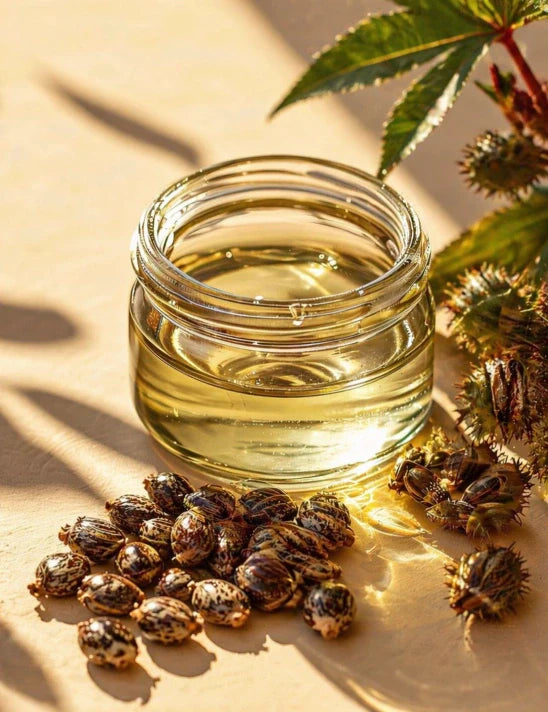
Castor Oil Benefits for Hair Growth A Complete Guide
Let's get one thing straight: does castor oil magically make your hair grow faster? Not quite. But what it does do is create the perfect environment for healthy, resilient hair to thrive. Think of it less as a miracle growth potion and more as a powerful conditioning treatment for your scalp and strands.
The Truth About Castor Oil and Hair Growth

The buzz around castor oil is impossible to miss, and honestly, for good reason. It’s become a go-to in so many clean beauty routines, loved for its ability to help hair look and feel its best. But to really get why it’s so special, we need to separate the myths from what the oil can realistically do for you.
So, what’s the real story? The magic of castor oil isn’t about speeding up your natural hair growth cycle. Instead, it’s an elite support system for your hair and scalp, tackling the common issues that get in the way of reaching your hair goals.
Setting Realistic Expectations
Before you start, it’s important to know what castor oil can and can’t do. It won’t give you inches of new hair overnight. What it will do is deeply nourish, moisturize, and strengthen the hair you already have, creating the ideal conditions for it to grow long and healthy without interruption.
Think of your scalp as a garden. You can’t force flowers to bloom faster, but you can enrich the soil, give them enough water, and protect them from damage. Castor oil does the same for your hair—it nourishes the "soil" (your scalp) and fortifies the "stems" (your hair shafts).
This is where the conversation gets interesting. The recent boom in its popularity isn’t just from word-of-mouth; it reflects a bigger move toward simple, trusted ingredients. In fact, Google searches for "castor oil for hair" have jumped by 22% in the past year alone.
While a major 2022 review noted there aren't yet controlled trials proving it directly stimulates new growth, it did highlight evidence for improving hair luster and shine. This is all thanks to its unique composition—it’s made of about 90% ricinoleic acid. This unique fatty acid is a moisturizing powerhouse that helps soothe scalp irritation and makes follicles more flexible, which can seriously cut down on breakage. You can dive deeper into the science on platforms like DermaMatch.
Castor Oil Hair Benefits at a Glance
The benefits of castor oil are indirect but incredibly effective. By improving the health of your scalp and hair, it lets your hair grow to its full potential without being held back. Here’s a quick look at what it does best.
| Benefit | How It Works | Expected Result |
|---|---|---|
| Intense Moisturization | Its thick, emollient texture locks in moisture from root to tip. | A hydrated, comfortable scalp and softer, more pliable hair strands. |
| Reduced Breakage | Coats the hair shaft to smooth the cuticle and improve flexibility. | Less snapping and splitting during brushing, styling, and daily wear. |
| Enhanced Shine | Smoothes the hair’s surface, allowing it to reflect more light. | A naturally glossy, healthy-looking finish. |
| Soothed Scalp | Ricinoleic acid helps calm irritation and inflammation at the follicle. | A balanced, healthier scalp environment that supports strong hair. |
Ultimately, using a high-quality product is about playing the long game. By preventing the breakage that keeps your hair from gaining visible length, you’ll notice a real difference in fullness and resilience over time.
Key Takeaway: Castor oil doesn't make hair grow faster. It creates a healthy, resilient environment that minimizes breakage, allowing you to see your hair's true growth potential.
Using a pure, high-quality product like Ella & Eden’s Organic Castor Oil is about nurturing what you have. When your hair is strong and moisturized, it’s less likely to break, and that’s what allows you to retain length and achieve the fuller, healthier hair you’re looking for.
How Ricinoleic Acid Nourishes Your Scalp and Follicles
To understand what makes castor oil so special for hair, we need to talk about its core component: ricinoleic acid. This unique fatty acid makes up nearly 90% of the oil, and it’s the primary reason for castor oil’s deeply nourishing feel. It’s what sets it apart from almost any other plant oil you’ll find.
Think of your scalp as the soil in a garden. If the soil is dry, irritated, or lacking nutrients, whatever you plant there will struggle. Ricinoleic acid works to enrich that soil, creating a calm and healthy environment where your hair follicles can finally thrive.
The Soothing Power of Ricinoleic Acid
One of the first things you might notice is a feeling of relief on your scalp. If you struggle with dryness, an itchy scalp, or general irritation, ricinoleic acid is a wonderful ally. Its natural anti-inflammatory properties help soothe the skin, calming the redness and discomfort that can get in the way of healthy follicle function.
This isn’t just about comfort—a calm scalp is a productive one. When your follicles aren’t busy dealing with inflammation, they can put all their energy toward their main job: growing strong, healthy hair.
Think of it this way: scalp irritation is like constant background noise for your hair follicles. Ricinoleic acid helps turn down the volume, giving the follicles the peace they need to focus on growth.
This calming action also helps with issues like dandruff, which is often tied to inflammation and microbial imbalances. By helping create a more balanced environment, castor oil can reduce flakiness and give you a clean slate for new growth to emerge.
Improving Circulation for Better Nutrient Delivery
Beyond just soothing the surface, ricinoleic acid gets to work on a deeper level. It’s known to gently stimulate receptors in the scalp that help widen the tiny blood vessels around each hair follicle.
So, what does this mean for your hair? Better blood flow is like upgrading from a small garden hose to a much more powerful one. It delivers a richer supply of oxygen and nutrients straight to the hair root, which is essential for building strong, resilient strands.
This boost in circulation is a cornerstone of scalp health. For the 50 million women in the US affected by hair loss, optimizing the scalp environment is a critical first step. Research suggests that the deep penetration of oils like castor can support circulation and moisture, which in turn helps reduce the snaps and breakage that happen during styling. You can read more about the properties of indigenous oils in studies published by the National Center for Biotechnology Information.
Locking in Essential Moisture
Finally, let’s talk about moisture. Healthy hair is hydrated hair, and castor oil’s thick, rich texture makes it an incredible occlusive and humectant.
- As an occlusive: It forms a protective seal over your scalp and hair strands, locking in moisture and preventing it from escaping.
- As a humectant: It also helps draw moisture from the air into the hair shaft, delivering a steady source of hydration.
This dual-action approach means your hair and scalp stay moisturized for longer. For your hair, this translates to better elasticity and less breakage. For your scalp, it means less tightness and flakiness. When your scalp is properly hydrated, your follicles are healthier and the hair they produce is stronger and shinier from the start.
A Step-by-Step Guide to Your Castor Oil Hair Ritual
Now that you know the science behind how castor oil supports hair growth, let's bring it into your daily life. Adding this rich, syrupy oil to your routine is a simple act of self-care that can lead to beautiful results. This guide will walk you through a simple ritual, so you feel confident and ready to get started.
Think of this as a mindful moment to nurture your scalp and hair, not just another task on your to-do list. The key to seeing a real difference is consistency.
First Things First: The Patch Test
Before you commit to a full scalp treatment, it's always smart to do a patch test. Even the most natural ingredients can cause a reaction on sensitive skin, and this quick check is the best way to make sure castor oil is right for you.
- Apply a Tiny Amount: Dab a single drop of castor oil on a discreet patch of skin, like behind your ear or on the inside of your elbow.
- Wait and See: Let it sit for 24 hours. During this time, keep an eye on the area for any signs of redness, itching, or irritation.
- Check the Results: If your skin looks and feels completely normal, you're good to go! If you notice any reaction, it’s best to avoid using it.
This step takes just a minute but can save you from any potential discomfort down the line. It's a non-negotiable for introducing any new product into your routine.
The Application Ritual: How to Use Castor Oil
Once you've passed the patch test, you're ready to begin. Castor oil is famously thick, so remember that a little goes a very long way. Starting with less is always better, as using too much can make it tricky to wash out.
This visual helps break down how ricinoleic acid, castor oil’s star ingredient, gets to work supporting your scalp’s health.

As you can see, it’s a three-part process: it locks in moisture, soothes the scalp, and improves circulation to help deliver nutrients right where they’re needed.
Step 1: Section Your Hair and Apply to the Scalp Start with dry or slightly damp hair. Using your fingertips or a dropper, part your hair into sections and apply a small amount of castor oil directly to your scalp. This ensures you get even coverage at the roots, which is where healthy hair begins.
Step 2: Massage Your Scalp This is where the magic happens. Using the pads of your fingertips, gently massage the oil into your scalp for 3-5 minutes with slow, circular motions. Not only does this feel incredible, but it also helps boost blood flow to your hair follicles.
Pro Tip: For a deeper, more intensive treatment, you can explore using castor oil packs. You can learn exactly how to make and use them in our guide on using a castor oil pack for detoxification and wellness.
Step 3: Lightly Coat the Ends After your scalp massage, take just a tiny bit more oil, warm it between your palms, and lightly smooth it over the mid-lengths and ends of your hair. This helps seal the cuticle, protecting brittle ends from splitting and breaking.
How Long to Leave It In and How to Wash It Out
After applying the oil, pile your hair on top of your head and cover it with a shower cap or a warm towel. The trapped heat helps the oil penetrate more effectively. Let the treatment sit for at least 30 minutes. For a more intensive session, you can leave it on for a few hours or even overnight.
Washing out a thick oil can feel like a challenge, but this simple trick works every time:
- Apply Conditioner First: Before you add any water, work a generous amount of conditioner through your oiled hair. The conditioner helps emulsify the castor oil, making it much easier to rinse away.
- Shampoo Twice: Rinse thoroughly with warm water, then follow up with two rounds of shampoo, focusing your efforts on cleansing the scalp.
- Condition as Usual: Finish with your regular conditioner on the ends to leave your hair feeling soft, hydrated, and manageable.
Your Weekly Castor Oil Hair Ritual
Finding the right frequency depends on your hair's unique needs. Here’s a simple schedule to get you started.
| Hair Type | Frequency | Application Method | Pro Tip |
|---|---|---|---|
| Fine or Oily Hair | Once a week | Scalp-focused application only. | Mix with a lighter oil like jojoba to thin it out. |
| Normal Hair | 1-2 times per week | Scalp massage and light coating on ends. | Leave on for at least one hour for best results. |
| Dry or Damaged Hair | 2 times per week | Full application from scalp to ends. | Try an overnight treatment once a week for deep repair. |
Ultimately, the best approach is to listen to your hair. Start with a weekly treatment and adjust as you see fit. With a little consistency, you’ll unlock the full potential of this beautifully nourishing oil.
Creating Powerful Hair Oil Blends at Home

While castor oil is incredible all on its own, its true potential is unlocked when you start blending. Let’s be honest—its thick, honey-like texture can be a bit tricky to work with, especially if you have finer hair. By pairing it with other oils, you can create a personalized hair treatment that’s not only easier to apply but also supercharged with benefits.
Think of castor oil as the rich, nourishing foundation of your blend. From there, you can add other natural oils to lighten the consistency and introduce new hair-loving properties. This is where the fun begins, letting you craft a formula that’s just right for your hair's needs.
Blending with Carrier Oils for Better Application
Mixing castor oil with a lighter carrier oil is the best way to make it more manageable without watering down its power. These blends glide on beautifully, making your scalp massage feel smoother and the washout process a whole lot easier.
- Jojoba Oil: This oil is a fantastic choice because its structure is so similar to our scalp's natural sebum, making it wonderful for balancing oiliness. A mix of castor and jojoba is perfect if your scalp tends to be on the oily side.
- Argan Oil: Known as 'liquid gold,' argan oil is a powerhouse of vitamin E and fatty acids that add incredible shine and fight frizz. When blended with castor oil, it creates a deeply hydrating treatment that leaves your hair feeling silky soft. You can learn more in our complete guide on the benefits of argan oil for hair growth.
- Coconut Oil (Fractionated): Unlike the solid kind, fractionated coconut oil stays liquid and is amazing for deep conditioning. It gets right into the hair shaft to moisturize from the inside out, which perfectly complements how castor oil conditions the hair's surface.
A 1:1 ratio is a great place to start. Just mix one tablespoon of castor oil with one tablespoon of your chosen carrier. Feel free to adjust this depending on your hair type—use a bit more castor oil for very dry or thick hair, or lean into the lighter oil if your hair is fine.
Creating a Hair Growth Cocktail with Essential Oils
To give your hair oil an extra supportive boost, a few drops of the right essential oils can make all the difference. These concentrated plant extracts help target specific scalp concerns and improve the overall environment for healthy, happy hair.
While some online claims suggest castor oil can make hair grow three to five times faster, a more realistic expectation comes from understanding how it works. Its ricinoleic acid is linked to PGD2 inhibition, a pathway explored in alopecia treatments. For some, this could mean 20-25% better follicle health. When you add rosemary oil—a favorite among experts—you get a synergistic effect that can offer a 10-15% boost in hair texture and luster.
Two of the absolute best essential oils to add to your castor oil blend are:
- Rosemary Oil: This oil is a star for a reason. It's widely studied for its ability to support circulation in the scalp, making it a top-tier natural ingredient for encouraging a healthy growth environment.
- Peppermint Oil: If you've ever used peppermint oil, you know that refreshing tingle it creates. That sensation is a sign of increased blood flow, which helps carry more nutrients right to your hair follicles.
It's simple: just add 3-5 drops of your chosen essential oil to every two tablespoons of your main oil blend. Give it a good mix, and you're ready to apply. This small step elevates your hair oiling from a simple routine to a targeted, spa-like ritual.
Why High-Quality Castor Oil Makes a Difference
When it comes to getting real results from castor oil, not just any bottle will do. The quality of the oil you choose has a direct line to its purity, its potency, and ultimately, the health of your hair. Think of it like a chef choosing ingredients: fresh, organic produce will always create a better meal than something processed. The same is true for your hair.
A high-quality castor oil isn’t just an oil; it’s a concentrated source of the very nutrients your scalp and hair crave. How the oil is made can either protect or destroy the compounds that make it so effective in the first place.
What to Look for on the Label
Navigating the world of natural oils can feel overwhelming, but a few key terms on a label tell you everything you need to know. These aren't just marketing buzzwords—they are your guarantee of a clean, potent, and effective product.
-
Cold-Pressed: This is the single most important factor. Cold-pressing is a gentle, heat-free extraction method that keeps the oil’s delicate nutrients intact, especially its hero fatty acid, ricinoleic acid. Oils extracted using high heat can lose a huge portion of their beneficial properties.
-
Hexane-Free: Some companies use a chemical solvent called hexane to get more oil out of the castor beans. Choosing a hexane-free oil ensures you’re not applying harsh chemical residues to your scalp, which can cause irritation.
-
Certified Organic: This seal means the castor beans were grown without any synthetic pesticides or fertilizers. When you’re putting something directly on your skin and scalp, you want it to be as pure as nature intended.
Together, these standards create an oil that is not only safer but far more powerful.
A purer oil means a higher concentration of the active components that deliver the moisturizing and strengthening benefits you’re looking for. It connects the dots between a clean product and your goal of achieving healthier, more resilient hair.
The Ella & Eden Difference: Purity and Potency
Choosing a product like Ella & Eden’s Organic Castor Oil means you’re choosing an oil that meets all three of these essential standards. It is always cold-pressed, hexane-free, and certified organic, so what you put on your body is as close to nature as possible.
Because our oil is cold-pressed, it retains its maximum ricinoleic acid content, preserving the very essence of what makes it such a powerful conditioning agent. This commitment to purity gives you an undiluted, effective formula designed to nourish your hair from the follicle all the way to the tip.
By leaving out harsh chemicals and pesticides, you’re also embracing a clean, minimalist beauty philosophy. It’s about getting back to basics with simple, powerful ingredients you can trust. You can explore our philosophy and sourcing by learning more about our USDA Organic Castor Oil in a protective glass bottle. When healthier hair is the goal, starting with the purest ingredients is the most powerful first step you can take.
Common Questions About Using Castor Oil for Hair
So, you’re ready to welcome castor oil into your routine, but a few practical questions might still be on your mind. That's completely normal. Let’s clear up those last few details so you can start your new hair ritual with total confidence.
Here are straightforward answers to the questions we hear most often.
How Long Until I See Results?
This is always the number one question, and the honest answer comes down to patience and consistency. Castor oil works by creating a healthier, more nourished environment for your hair to thrive in—it’s not an overnight growth miracle.
Most people start to notice a real difference in hair texture and shine within 4-6 weeks of regular use. Your hair might feel softer, look glossier, and become less prone to tangles. For more significant improvements, like better strength and less breakage, give it a bit more time. Those benefits often become clear after about 2-3 months.
Key Insight: Remember, you're not just coating your hair; you're nurturing your scalp and reinforcing each strand from the root up. The shine and softness you see are a direct result of that improved underlying health.
Can I Leave Castor Oil in Overnight?
Absolutely. In fact, leaving castor oil in overnight is a fantastic way to give your hair and scalp an intensive deep-conditioning treatment. The extra time allows the oil’s rich nutrients to penetrate deeply, maximizing its moisturizing and soothing effects.
If you decide to go for an overnight mask, just be sure to protect your pillowcase. You can wrap your hair in a towel or, even better, wear a comfortable silk or satin bonnet. This not only prevents a mess but also helps cut down on friction and breakage while you sleep.
Is Castor Oil Good for Fine or Oily Hair?
Yes, but the secret is in the application. If you have fine or oily hair, you’ll want to use castor oil as a targeted scalp treatment instead of a full-hair mask. Because it’s so thick, a heavy application can easily weigh down finer strands.
Here’s how to adapt the ritual for your hair type:
- Focus on the Scalp: Apply the oil directly and only to your scalp. This nourishes the follicles where it matters most, without making your lengths feel greasy.
- Blend It: Try mixing castor oil with a lighter carrier oil, like jojoba or argan. A 50/50 blend creates a much less dense oil that’s easier to apply and wash out.
- Use Sparingly: Start with a very small amount—just a few drops are enough. Massage it in well to stimulate circulation.
This approach lets you get all the scalp-soothing benefits without sacrificing your hair's natural volume.
Can I Use It on My Eyebrows and Eyelashes?
Using castor oil to condition brows and lashes is one of its most beloved uses. The same nourishing properties that benefit your scalp can help your eyebrows and eyelashes appear fuller, darker, and healthier over time.
A clean mascara wand or a cotton swab works perfectly for this.
- Start Clean: Make sure your brows and lashes are completely free of any makeup.
- Apply with Care: Dip your applicator into the oil, wipe off the excess, and gently brush it through your brows and along your upper lash line.
- Be Consistent: For best results, make this the last step of your nightly skincare routine.
Ready to experience the nourishing power of a truly pure oil? The Ella & Eden collection is built on simple, certified organic ingredients to enhance your natural beauty.
Discover our USDA Organic Castor Oil and begin your journey to healthier hair today.