How to Use Rosemary Oil for Hair Your Complete 2026 Guide
So you’ve heard the buzz around rosemary oil and you're ready to see what it can do for your hair. Let's walk through how to make this ancient herb a beautiful part of your modern hair care ritual. The key isn't just using it, but using it correctly.
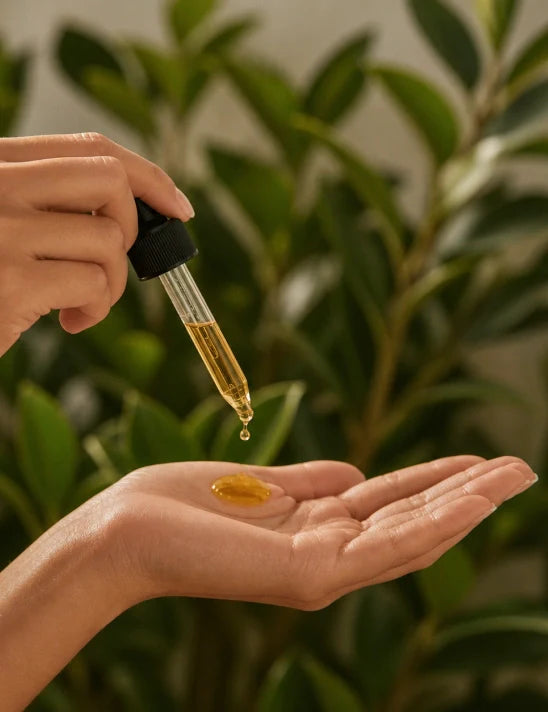
The most important step is simple: always dilute rosemary essential oil with a carrier oil. Pure essential oils are incredibly potent and can cause irritation if applied directly to the skin. Diluting it not only makes it safe but also allows you to pair its benefits with another nourishing oil tailored to your hair's unique needs.
Your Guide To Using Rosemary Oil For Hair

Choosing Your Carrier Oil for Rosemary Oil Dilution
Think of a carrier oil as the perfect partner for your rosemary oil—it helps deliver the benefits to your scalp while adding its own nourishing touch. Someone with fine, oily hair will have a completely different experience using heavy castor oil versus lightweight jojoba, so choosing the right one is foundational.
This table helps you select the perfect carrier oil from our collection to pair with Rosemary Oil, tailored to your hair's unique needs.
| Hair Type | Recommended Carrier Oil | Primary Benefit | Best For |
|---|---|---|---|
| Fine or Oily Hair | Jojoba Oil | Balances scalp sebum and is lightweight, so it won't weigh hair down. | Individuals who find other oils too heavy or greasy. |
| Dry or Brittle Hair | Argan Oil | Deeply moisturizes and adds shine, taming frizz and flyaways. | Restoring softness and luster to dehydrated strands. |
| Thinning Hair | Castor Oil | Nourishes follicles and strengthens hair, creating a fuller appearance. | Anyone aiming to fortify weak hair and support density. |
| Normal or All Types | Jojoba or Argan Oil | A versatile choice for maintaining scalp health and hair hydration. | A balanced approach suitable for most hair care goals. |
Once you’ve found your match from the Ella & Eden collection, you can feel confident that your routine is working in harmony, addressing your hair concerns from multiple angles.
The Science-Backed Power of Rosemary Oil
The excitement around rosemary oil isn’t just based on tradition; it’s supported by compelling modern research.
A groundbreaking 2015 randomized trial put rosemary oil head-to-head with minoxidil 2%—a common treatment for androgenetic alopecia. After six months, researchers found that both groups experienced a significant increase in hair count, with no meaningful difference between the two.
This study is a game-changer. It validates what herbal traditions have suggested for centuries, giving us a science-backed reason to embrace this natural ingredient in our hair rituals with confidence.
Getting Started The Right Way
Consistency is everything. You won't see results overnight. The goal is to build a simple, sustainable ritual that you can stick with for several months.
Here’s a practical starting point:
- Dilution Ratio: A good rule of thumb is to mix 3-5 drops of Ella & Eden Rosemary Oil with one tablespoon of your chosen carrier oil.
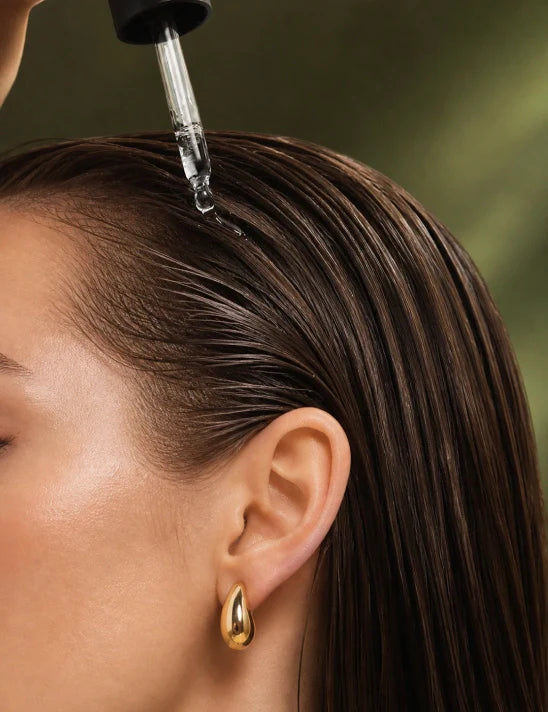
- Application: Focus the mixture directly on your scalp, not just your hair strands.
- Massage: Use your fingertips to gently massage the oil into your scalp for 2-3 minutes. This helps boost circulation and feels wonderful.
Performing this simple ritual 2-3 times per week is the perfect way to begin. If you're looking for more ways to incorporate it into your routine, this complete guide on how to use rosemary oil for hair growth offers additional techniques to explore as you get more comfortable.
The Science of How Rosemary Oil Revitalizes Hair
 The buzz around rosemary oil isn’t just from word-of-mouth success stories—it’s grounded in real science. When you look at the biology of how this simple herb works, it becomes clear why it's so respected for creating a healthy scalp and encouraging fuller hair. It’s not about magic, but a beautiful synergy of benefits that nurture your scalp from the ground up.
One of its most powerful effects is on circulation. Think of your hair follicles as tiny, delicate factories that need a constant supply of resources to do their job well. When you massage diluted rosemary oil into your scalp, it’s more than just a relaxing ritual. You’re actively helping to boost blood flow.
This increase in microcirculation means more oxygen and vital nutrients get delivered straight to your hair follicles. A well-fed follicle is a happy, productive one, better able to stay in the anagen—or growth—phase of the hair cycle for longer.
Protecting Follicles From Daily Stress
Beyond simply feeding the follicles, rosemary oil acts as a powerful bodyguard against everyday environmental damage. It’s packed with antioxidants, especially compounds like carnosic acid and rosmarinic acid. These natural components work to neutralize free radicals, which are unstable molecules from pollution, UV light, and even internal stress that can damage your scalp cells.
This protection is key. Oxidative stress is now understood to be a major cause of premature follicle aging and hair loss. By shielding your scalp from this daily assault, rosemary oil helps maintain a healthier foundation for strong, resilient hair to grow.
Creating a less-stressed environment at the cellular level means you’re not just treating symptoms. You're supporting the fundamental health of your entire scalp ecosystem. This proactive defense is a cornerstone of using rosemary oil effectively.
Calming Inflammation for a Healthier Scalp
Chronic, low-level inflammation is one of the silent enemies of hair growth. It can be set off by product buildup, scalp conditions like dandruff, or sensitivities to harsh chemicals. This constant state of irritation can disrupt the hair growth cycle and weaken follicles over time.
Luckily, rosemary oil brings natural anti-inflammatory properties to the table, helping to soothe and calm an irritated scalp.
This creates a more balanced and peaceful environment, allowing your follicles to function without interruption. When your scalp is calm, it can put all its energy into what it does best: growing hair. Its antimicrobial properties also help keep the scalp’s microbiome in check, preventing the overgrowth of yeast or bacteria that can lead to flakes and itchiness.
Recent science continues to back up these traditional uses with impressive numbers. A groundbreaking 2026 clinical study on Rosmagain™, a specialized rosemary-based blend, offered powerful proof. Participants in the study saw their hair growth rate increase by 57.73%. Even more, hair thickness improved by a stunning 68.70% and density increased by over 32%, while hair shedding dropped by more than 40%. You can dive into the full details of this breakthrough rosemary research to see the data for yourself.
By combining these three actions—improving circulation, providing antioxidant protection, and reducing inflammation—rosemary oil offers a truly holistic approach to scalp care. It doesn’t just force growth; it creates the ideal conditions for your hair to flourish on its own.
4 Ways to Weave Rosemary Oil into Your Hair Ritual
Knowing the science behind rosemary oil is one thing, but bringing it into your life is where the real magic happens. The best way to use rosemary oil for your hair is the one you’ll actually stick with. You don’t need an elaborate routine—just a simple, sustainable ritual that feels like an act of self-care.
Whether you have five minutes or a whole evening to unwind, one of these four methods will fit right in.
The Classic Energizing Scalp Massage
This is my favorite way to use rosemary oil, and for good reason. It’s deeply effective and feels incredible. A good scalp massage is a cornerstone of any healthy hair routine, and adding rosemary oil just amplifies all the benefits. It’s perfect for a weekly ritual—maybe on a Sunday evening to reset before the week ahead.
First, you’ll want to prepare your diluted oil. Mix 3–5 drops of pure Ella & Eden Rosemary Oil with a tablespoon of a carrier oil like Jojoba or Argan in a small dish.
Part your dry hair into a few sections so you can get the oil directly onto your scalp, not just on your hair. Using your fingertips (or a scalp massager if you have one), work the oil into your scalp along the part lines. Massage gently in slow, circular motions for 3–5 minutes, paying extra attention to any areas where you want to see more fullness.
Let the oil sit for at least 30 minutes. If you have the time, leaving it on overnight offers an even deeper treatment. When you’re ready, simply wash your hair as you normally would.
The Deep-Nourishing Hot Oil Treatment
When your hair feels especially dry, brittle, or just in need of some serious TLC, a hot oil treatment is a wonderful choice. The warmth helps open up the hair’s cuticle and scalp pores, allowing the oils to sink in more deeply for maximum nourishment. Think of it as a monthly or bi-monthly spa moment for your hair.
To create your treatment, gently warm your diluted rosemary oil mixture. Just place your dish of oil into a larger bowl of hot water for a couple of minutes. You should never microwave your oils, as intense heat can break down their beautiful botanical compounds.
Apply the warm oil from your scalp down through your hair. Then, wrap your head in a warm towel or a shower cap for 20–30 minutes. This traps the heat, creating a steamy, nourishing environment for the oils to work. Afterward, shampoo and condition as usual. If you love deep conditioning rituals, learning how to use a castor oil pack can offer similar deeply nourishing benefits.
The Effortless Daily Boost
If you’re short on time but still want the benefits of rosemary oil, this is the method for you. It’s a simple "set it and forget it" approach that adds a consistent, low-effort boost to products you already use.
Just add about 10–15 drops of Ella & Eden Rosemary Oil for every 8 ounces of your favorite shampoo or conditioner. Shake the bottle really well to make sure everything is mixed, and then just wash your hair like you always do. Every wash becomes a small opportunity to give your scalp a dose of rosemary oil.
While incredibly convenient, remember that much of rosemary oil's power comes from direct scalp contact and massage. This is a great supplementary method, but it might not be as potent on its own as a dedicated scalp treatment.
The DIY On-the-Go Scalp Spritz
A refreshing scalp spritz is perfect after a workout, as a midday pick-me-up, or for anyone who dislikes the feeling of oil in their hair. This light, water-based spray delivers rosemary’s benefits without weighing your hair down.
Making your own is incredibly simple.
- Start with a small spray bottle and fill it with 4 ounces of Ella & Eden Rosewater Toner.
- Add 10–12 drops of Ella & Eden Rosemary Oil.
- Shake it well before each use.
You can lightly mist this directly onto your scalp once a day. This method is a great way to stay consistent, which is key for seeing results. After all, a pivotal 2015 study showed rosemary oil performed as well as 2% minoxidil for hair growth over six months, but with the added benefit of less scalp itching. This makes it a fantastic option, especially for those with sensitive skin. You can read more about these powerful findings on LabMuffin.com.
Creating Your Personalized Rosemary Oil Hair Routine
When it comes to beauty, and especially hair care, a one-size-fits-all routine just doesn't work. The best way to use rosemary oil for your hair comes down to your specific needs, goals, and hair type. Building a routine that’s truly yours is the secret to seeing real, lasting results without causing irritation or weighing your hair down.
Think of it this way: you wouldn't use a heavy cream on oily skin, and the same logic applies here. The magic is in adapting how often you apply it, how long you leave it on, and even the application method itself to what your hair and scalp are telling you.
Tailoring Frequency for Your Hair Type
First things first, let's figure out how often you should be using your rosemary oil. This decision really depends on your hair’s natural texture and oiliness.
If you have fine, thin, or oily-prone hair, you'll likely find that a twice-weekly application is your sweet spot. This gives your scalp a consistent dose of nourishment without ever feeling overloaded. A shorter leave-in time, around 30-60 minutes before washing, usually works best to keep your hair from feeling greasy.
On the other hand, if your hair is thick, dry, coarse, or coily, it can handle—and often craves—a lot more moisture. For you, a more frequent routine of three times a week, or even an overnight treatment, can be a total game-changer. The extra time lets the oils penetrate deeply, helping to combat dryness and truly nourish the hair shaft.
The Importance of a Safety Patch Test
Before you jump in, there's one step you absolutely can't skip: the patch test. Rosemary essential oil is powerful, and even when diluted properly, some people can be sensitive to it. This simple test is your best friend for avoiding any potential irritation on your scalp.
Here’s how to do it right:
- Mix a tiny amount of your diluted rosemary oil blend—think one drop of rosemary oil in a teaspoon of carrier oil.
- Apply it to a discreet patch of skin, like behind your ear or on your inner elbow.
- Wait 24-48 hours and keep an eye out for any signs of redness, itching, or irritation.
If your skin looks and feels normal, you’re good to go. If you notice any reaction, it’s best to avoid using it on your scalp.
Remember, the ‘less is more’ principle is your best guide when starting with rosemary oil. Beginning with a lower frequency and concentration lets your scalp get used to it, which reduces the risk of irritation and helps you build a positive, effective long-term habit.
Deciding between a quick, regular application or a more immersive weekly ritual is a great way to start. This guide can help you choose the best path based on the time you have available.

The real takeaway here is that consistency is more important than intensity. Even quick, regular applications can lead to incredible benefits over time.
Adjusting Your Method for Optimal Results
Your application method should also fit your lifestyle and your hair goals. An overnight treatment with rich castor oil might be amazing for someone with very dry, damaged hair, but it could be a nightmare for someone with fine, oily strands.
Here’s a quick guide to help you choose the right approach for you:
| Hair Concern | Recommended Approach | Why It Works |
|---|---|---|
| Oily Scalp & Fine Hair | Pre-shampoo treatment (30-60 min) with Jojoba Oil. | Jojoba oil is incredibly similar to our skin's natural sebum, so it helps balance the scalp without adding extra weight. |
| Dryness & Frizz | Overnight treatment or hot oil treatment with Argan Oil. | Argan oil delivers deep hydration and smoothing. Leaving it on longer maximizes absorption for silky results. |
| Thinning & Weak Hair | Scalp massage (2-3 times/week) with a powerful blend. | Consistent massage boosts circulation to the follicles, and a targeted oil blend amplifies that support. |
At the end of the day, the best routine is the one you’ll actually stick with. If a pre-made product makes life easier, our Hair Growth Oil with Rosemary & Castor Oil has a perfectly balanced blend to get you started. Pay attention to how your hair responds, and don't be afraid to make adjustments. Your hair will thank you for it.
DIY Rosemary Oil Recipes to Deepen Your Ritual
Now that you know the basics, why not try mixing your own personalized hair treatments? Creating your own blends is a simple, beautiful way to connect with your routine, and it’s easier than you’d imagine.
Using just a few pure ingredients from the Ella & Eden collection, you can craft powerful formulas that feel made just for you. These recipes are designed to be mixed right in your kitchen, showing how beautifully rosemary oil pairs with other natural oils to create something truly special.
Growth and Strength Scalp Serum
This is a powerhouse blend for anyone looking to fortify their roots and encourage the appearance of thicker, fuller hair. It combines the stimulating feel of rosemary with the deeply nourishing power of castor oil. Castor oil is naturally rich in ricinoleic acid, which hydrates and conditions the scalp—creating the perfect foundation for healthy growth to thrive.
Here’s what you’ll need:
- 2 tablespoons of Ella & Eden Organic Castor Oil
- 1 tablespoon of a lighter oil, like Jojoba or Argan (this helps with the texture)
- 5-7 drops of Ella & Eden Rosemary Essential Oil
- A small glass dropper bottle for mixing and storage
To create the serum: Simply pour all the ingredients into your dropper bottle and give it a good shake. The jojoba or argan oil is key here—it cuts through the natural thickness of castor oil, making it much easier to apply.
How to use it: Part your hair into sections and use the dropper to apply the serum directly onto your scalp. Massage it in gently for 3-5 minutes, paying extra attention to areas you want to see more fullness. Let it sit for at least an hour (or even overnight for a deeper treatment) before washing your hair as usual.
Hydrate and Shine Hair Mask
If your hair is feeling dry, frizzy, or just a bit dull, this deeply hydrating mask will quickly become a favorite. It pairs stimulating rosemary with the liquid gold of haircare: argan oil. Argan oil is beloved for its ability to moisturize and soften hair without ever feeling greasy.
For an even deeper dive into this incredible oil, our guide on the benefits of argan oil for hair growth is a great read. Think of this mask as a long, refreshing drink for thirsty strands.
Here’s what you’ll need:
- 3 tablespoons of Ella & Eden Organic Argan Oil
- 5-7 drops of Ella & Eden Rosemary Essential Oil
To create the mask: Combine the argan and rosemary oils in a small bowl. For a lovely, spa-like touch, you can warm the mixture by placing the bowl in a larger dish of hot water for a few minutes.
How to use it: Apply the warm oil from your scalp all the way to the ends. Wrap your hair in a warm towel or a shower cap and just relax for 20-30 minutes. Follow with your normal shampoo and conditioner for unbelievably soft, shiny hair.
Soothe and Clarify Scalp Treatment
An irritated or oily scalp can get in the way of your hair goals. This treatment is formulated to bring your scalp back to a state of calm balance. It blends the clarifying nature of rosemary with soothing jojoba oil and the mineral power of magnesium. Jojoba oil cleverly mimics your scalp's own sebum to help regulate oiliness, while magnesium oil is known for its calming properties.
This recipe is perfect if you struggle with product buildup, an itchy scalp, or excess oil. A calm, clean scalp is always the first step toward achieving truly healthy hair.
Here’s what you’ll need:
- 2 tablespoons of Ella & Eden Organic Jojoba Oil
- 1 tablespoon of Ella & Eden Magnesium Oil Spray
- 5-7 drops of Ella & Eden Rosemary Essential Oil
To create the treatment: In a small bowl, combine all three ingredients and mix them together well.
How to use it: Apply the blend directly to your scalp, using your fingertips to massage it in. Let it sit for 20-30 minutes so the ingredients have time to work their magic. Wash your hair thoroughly afterward.
If you’re inspired to keep creating, you can find more hair oil for hair growth homemade recipes to expand your ritual. These simple blends are the perfect place to start your journey.
Common Questions About Using Rosemary Oil for Hair
Starting any new hair ritual brings up questions, and that's a good thing. Getting clear answers helps you feel confident and stay consistent. Let's walk through some of the most common questions we hear about using rosemary oil.
Think of this as your go-to guide for setting realistic expectations, so you can begin your journey with peace of mind.
How Soon Can I Expect to See Results?
This is always the first question, and the answer is all about patience. While you might feel immediate benefits like a soothed scalp or softer-feeling hair, true hair growth happens on a much longer timeline.
Hair growth is a slow, cyclical process. It takes time for follicles to wake up and for new hairs to grow long enough to make a difference. Here’s a realistic look at what you might experience:
- First 4-8 Weeks: The first changes you'll likely notice are on your scalp. Think less itching, reduced flakiness, or just an overall feeling of calm. A healthy scalp is the foundation for everything that follows, so this is a crucial first sign.
- Around 2-3 Months: This is when many people start to see a real drop in shedding. You might find fewer hairs in your brush or in the shower drain—a great signal that your follicles are getting stronger.
- At 4-6 Months: This is the magic window where you might spot the first signs of new growth. Look closely for fine, soft "baby hairs" along your hairline or part. It's often the first visible proof that your routine is paying off.
Remember, a landmark 2015 study found it took six months for rosemary oil to deliver a significant increase in hair count, matching the results of minoxidil 2%. This just highlights how important a long-term commitment is.
Is Rosemary Oil Safe for Color-Treated Hair?
Yes, you can absolutely use rosemary oil on colored or chemically processed hair. In fact, it can be a huge help. These treatments can often leave hair feeling dry and brittle, and a good oil routine helps bring back that much-needed moisture and shine.
The only small thing to keep in mind is that oils can sometimes speed up the fading of certain hair dyes, especially if you’re doing frequent, long-lasting hot oil treatments.
To protect your color, just follow these simple tips:
- Wait a bit after coloring: Give your fresh color about a week to fully set before doing an oil treatment.
- Focus on the scalp: The real magic of rosemary oil happens at the root. By concentrating the oil on your scalp, you nourish the follicles without oversaturating your colored strands.
- Use a color-safe shampoo: When you wash the oil out, always reach for a high-quality, sulfate-free shampoo made for color-treated hair. It helps protect your investment.
Rosemary Essential Oil vs. Infused Oil: What’s the Difference?
This is a fantastic and important question. The terms are often mixed up, but they refer to two very different products. Knowing the difference is key to getting the results you want.
| Feature | Rosemary Essential Oil | Rosemary Infused Oil |
|---|---|---|
| Production | Made through steam distillation of rosemary leaves and flowers. | Made by steeping rosemary sprigs in a carrier oil (like olive or jojoba). |
| Concentration | Extremely concentrated and potent. Packed with active compounds. | Much less concentrated. The carrier oil is simply scented by the herb. |
| How to Use | Must be diluted in a carrier oil before touching the skin or scalp. | Can be used directly on skin or hair as it is already pre-diluted. |
| Primary Use | Therapeutic applications, like scalp treatments for hair growth. | Mostly for cooking, light moisturizing, or adding a gentle scent. |
For the hair growth and scalp benefits we're talking about in this guide, you need rosemary essential oil. An infused oil simply doesn’t have the concentration of active compounds needed to stimulate follicles and improve circulation effectively.
Will I Experience More Shedding When I Start?
It sounds backward, but some people notice a small uptick in shedding when they first start a new scalp-stimulating routine. This is often called the "dread shed," and while it can be a little unnerving, it's often a completely normal part of the process.
This initial shed happens because the treatment can push follicles from their resting (telogen) phase into the growth (anagen) phase. As the new, healthy hair begins to grow, it pushes the old, resting hair out of the follicle. You're not losing more hair; you're just speeding up a cycle that was going to happen anyway to make way for stronger strands.
If it happens, this phase is almost always temporary and a sign that your follicles are responding. Of course, if shedding seems excessive or continues for more than a couple of months, it's always smart to check in with a dermatologist to rule out any other issues.
Ready to begin your journey with pure, potent ingredients? Ella & Eden offers certified organic, cold-pressed oils like our Rosemary Essential Oil to create the perfect foundation for your new hair ritual.