Tea Tree Skin Toner: A Clean Beauty Guide
Some nights, your skin feels like it’s sending mixed signals. Your forehead looks shiny by dinner, a breakout is forming along the jawline, and the “fix” you tried yesterday has left your cheeks tight and irritated. If that sounds familiar, you’re not alone. Many people looking for a calmer complexion end up stuck between products that feel too weak and products that feel too harsh.
That’s often when tea tree skin toner enters the conversation. It has a strong reputation for helping with blemishes and excess oil, especially in clean beauty routines that lean toward plant-based ingredients. But tea tree is also one of those ingredients that gets oversimplified. It can be helpful, yes. It can also be too much for some skin, especially if your barrier is already feeling reactive.
Your Guide to a Calm Clear Complexion
A common story goes like this. Someone starts with a few clogged pores and occasional breakouts, then reaches for stronger and stronger spot treatments. At first, the skin looks less oily. A few days later, it feels hot, flaky, and more unpredictable than before. The breakouts haven’t disappeared, but now irritation has joined the list.
That’s why tea tree toner can feel appealing. It sounds cleaner, simpler, and closer to the skin-friendly rituals many people want. If you already prefer ingredient-conscious beauty, you may have looked into toxin-free beauty products and wondered whether tea tree fits that approach.
It can, but only when the formula respects your skin.
Tea tree isn’t automatically gentle just because it comes from a plant. Formulation decides whether it feels balancing or overwhelming.
For oily or blemish-prone skin, a well-made tea tree skin toner can support a routine that feels fresher and more controlled. For sensitive skin, the same ingredient needs more caution. The difference usually comes down to dilution, companion ingredients, and how often you use it.
Think of this guide as a calm second opinion. Not a sales pitch, not fearmongering. Just practical help so you can tell whether tea tree belongs in your routine, how to use it carefully, and when a softer toner may be the better fit.
What Exactly Is a Tea Tree Skin Toner
A tea tree skin toner is a liquid skincare step used after cleansing and before serums or moisturizer. Its job is usually to remove any lingering residue, refresh the skin, and deliver targeted ingredients in a lightweight format. In this case, the featured botanical is tea tree oil from Melaleuca alternifolia.
That ingredient has a long history. Indigenous Australian Bundjalung people used tea tree leaves in traditional care practices for wounds, coughs, colds, and healing rituals. Later, modern research gave the oil a scientific profile. In 1922, Dr. Arthur Penfold reported that tea tree oil showed antiseptic activity 11 to 13 times that of phenol in the Rideal-Walker coefficient test, while also being non-caustic to skin.
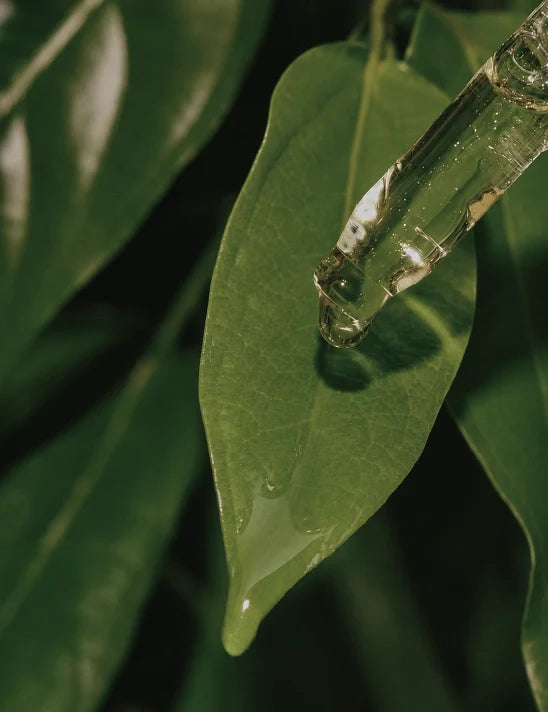
This visual helps place the ingredient in a skincare context.

It’s not just oil and water
A good toner is not merely tea tree oil splashed into a bottle. Tea tree oil is potent, so formulators suspend or blend it into a base that may include water, aloe, witch hazel, humectants, and other soothing ingredients. That base matters because it changes how the toner feels on the skin.
If you’ve ever wondered why one tea tree toner feels refreshing while another stings, the answer usually lies in the full formula, not the star ingredient alone.
A simple way to think about it:
| Product type | What it tends to feel like | Who it may suit |
|---|---|---|
| Pure tea tree oil | Very concentrated, high irritation risk | Not ideal for direct facial use |
| Poorly formulated toner | Sharp, drying, sometimes fragranced | Often difficult for reactive skin |
| Balanced tea tree toner | Light, clarifying, buffered by supportive ingredients | Better for acne-prone or combination skin |
Why the ingredient gets so much attention
Tea tree oil is chemically complex, which is one reason it keeps showing up in skincare.
What matters here is this. Tea tree toner isn’t a trend product because of a strong smell or “natural” branding. It has a long record of practical use, but that doesn’t remove the need for careful formulation, especially if your skin reacts easily.
The Science Behind Tea Tree Oil Benefits
Tea tree oil works because it does more than one thing at once. Tea tree oil contains approximately 100 components, with terpinen-4-ol at 40%, γ-Terpinene at 23%, and α-Terpinene at 10%. The same reference notes that while terpinen-4-ol is considered the main active component, the other constituents also contribute, meaning the oil acts through a synergistic mix rather than a single pathway.
That’s the key idea. Tea tree doesn’t behave like a one-note ingredient.
Why it can help with blemishes
Blemish-prone skin usually needs support in more than one area. Pores may be congested. The skin may also be producing more oil, and active spots can bring redness or tenderness with them. Tea tree oil is useful because its compound mix is associated with antibacterial, antiviral, and antifungal activity.
For everyday skincare, the practical takeaway is simpler than the chemistry. A tea tree skin toner may help create a cleaner-feeling environment on the skin’s surface, which is part of why it’s often used in routines for acne-prone skin.
Why it feels balancing on oily skin
Tea tree toners are often described as clarifying or mattifying. That isn’t just marketing language. Tea tree formulations are valued for astringent behavior, which means they can help the skin feel less greasy and more refined after cleansing.
That’s especially appealing if your skin feels shiny by midday but you don’t want a toner that leaves your face squeaky and uncomfortable.
Practical rule: If a toner makes your skin feel tight within minutes, it may be reducing comfort more than supporting balance.
Why some formulas calm while others provoke
There’s another side to tea tree’s reputation. Some products help reduce the look of post-breakout redness, while others seem to wake up irritation. The difference often comes down to whether the formula respects hydration.
A toner built around tea tree alone may lean drying. A toner that combines clarifying ingredients with moisture-supporting ones usually feels more stable in day-to-day use.
Here’s the broad mechanism in plain language:
- Antimicrobial support helps address the environment that allows blemishes to thrive.
- Oil-balancing action can leave the skin less slick and reduce the heavy feeling that often comes with excess sebum.
- Inflammation support may help active areas feel less angry and look less flushed.
Why formulators like it
Tea tree oil is also fairly flexible from a product-design perspective. The ingredient reference above notes that it can tolerate heat up to 85°C and works across a pH range of 3 to 10. That compatibility makes it easier to pair with other actives in a toner.
For consumers, that means the best tea tree skin toner usually isn’t the one with the strongest smell or the shortest ingredient list. It’s the one where each ingredient has a job, and the whole formula works as a team.
Is Tea Tree Toner Right for Sensitive Skin
At this point, many tea tree guides get too optimistic.
If you have sensitive, dry, reactive, or barrier-impaired skin, tea tree may still be possible, but it isn’t an automatic yes. The fact that an ingredient is botanical doesn’t guarantee that your skin will read it as gentle. Some people do well with it. Others notice stinging, heat, or delayed irritation after a few uses.
Clinical reviews summarized in this tea tree toner overview for sensitive-skin shoppers note that pure tea tree oil can cause dermatitis in some individuals, and that 5 to 10% dilutions are needed to minimize risk. The same summary also points out that 35% of consumers are searching for “sensitive skin” toners, while many tea tree products still don’t disclose percentages. That lack of transparency matters if your skin reacts easily.
This is the part many shoppers need to hear. Natural doesn’t mean low-risk.

Signs your skin may need caution
Tea tree toner may not be the best daily choice if your skin already does any of the following:
- Flushes easily after cleansing or temperature changes
- Stings with simple products like moisturizers or sunscreen
- Feels dry and oily at the same time, which often points to a stressed barrier
- Reacted badly to essential oils before
- Has active eczema-like irritation or visible rough patches
If that sounds familiar, it’s worth reading more about clean skincare for sensitive skin before making tea tree a daily habit.
Patch testing is not optional
A patch test sounds small, but it can save you from days of discomfort.
Try this approach:
- Apply a small amount of the toner to a discreet area, such as the inner forearm or near the jawline.
- Leave it alone and watch for signs of irritation.
- If your skin stays calm, try using it on a small facial area before applying it to the whole face.
- Start slowly. Every other day is often wiser than jumping straight into twice-daily use.
If your skin burns, keeps tingling, or becomes redder with each use, stop. Don’t push through it.
When a gentler option makes more sense
Sometimes the smartest skincare choice is not the most active one. If your skin goal is light hydration, post-cleanse comfort, and a soft refreshed feel, a gentle toner can be the better match.
Tea tree tends to suit skin that wants clarification. Sensitive skin often wants reassurance first. If your face is already giving you signs of stress, choosing a milder formula, such as a simple rosewater toner, may support more consistent results over time.
How to Choose a Clean Tea Tree Toner
Shopping for a tea tree toner gets easier once you stop asking, “Does it contain tea tree?” and start asking, “How was this built?”
A clean formula should make the ingredient usable, not just noticeable. That means the toner should clarify without leaving your face stripped, shiny in all the wrong places, or irritated by a cloud of fragrance.
This checklist helps.

Look for ingredients that buffer the formula
A well-rounded tea tree toner usually includes hydration support. Effective tea tree toners often combine the oil’s astringent action with glycerin or hyaluronic acid to help maintain hydration. The same reference notes that for acne-prone skin, pairing tea tree with salicylic acid can create a useful combination that exfoliates pores and reduces inflammation at the same time.
That gives you a practical label-reading framework.
Look for formulas that include:
- Tea tree plus humectants like glycerin or hyaluronic acid
- A water-based base rather than a harsh, alcohol-heavy one
- Simple support ingredients such as aloe if your skin tends to run warm or reactive
- Thoughtful acne partners like salicylic acid if your main issue is clogged pores
If you want a broader primer on lighter formulas, this guide to water-based skin toner is a useful companion.
What to be careful with
Some tea tree toners look clean from the front label and feel aggressive in practice.
A few red flags:
| What you notice | What it may mean |
|---|---|
| Strong medicinal scent | The formula may lean harsh or overly essential-oil heavy |
| Quick-dry, squeaky finish | Often a sign of drying alcohol or poor moisture support |
| Fragrance added on top of tea tree | More irritation potential for reactive skin |
| No clarity on formula purpose | Harder to judge whether it’s meant for daily use or occasional blemish control |
You don’t need a perfect label. You need one that makes sense.
Match the toner to your actual skin behavior
This matters more than skin type labels on packaging.
Choose differently depending on what your skin does most days:
- If you’re oily and breakout-prone, a clarifying tea tree toner with humectants may fit well.
- If you’re combination, focus on balance. You want support for the T-zone without punishing the cheeks.
- If you’re sensitive with occasional breakouts, go slower and prioritize a lower-intensity formula.
- If you’re dry and reactive, tea tree may be better as a targeted occasional step than as your everyday toner.
One example in this category is Ella & Eden’s Tea Tree & Yarrow Toner, which is positioned for removing excess sebum, supporting acne-prone skin, and toning after cleansing. That’s one option among many, and the same label-reading rules still apply.
A clean toner should help your skin feel clearer and steadier, not dramatic for a week and miserable the next.
Integrating Tea Tree Toner into Your Ritual
The safest way to use tea tree toner is usually the least exciting one. Start low, stay observant, and let your skin set the pace.
Tea tree skin toner belongs after cleansing and before serums or moisturizer. Cleanser removes sweat, sunscreen, and buildup. Toner goes onto freshly cleansed skin, then you follow with the products that seal in hydration and support your barrier.
A simple routine order
A calm evening routine might look like this:
- Cleanse gently
- Apply tea tree toner
- Use a hydrating serum or simple moisturizer
- Seal with barrier support if your skin needs it
In the morning, finish with sunscreen.
How to apply it without overdoing it
There are two common methods.
- Cotton pad works well if you want a light swipe and prefer a traditional toner step.
- Hands can be gentler if you’d rather press the liquid in and avoid friction.
Either can work. What matters more is amount and frequency. Start with a small amount and use it every other day at first if your skin is sensitive or unfamiliar with tea tree. If your skin stays comfortable, you can decide whether daily use makes sense.
Why DIY is risky here
Tea tree oil is not a good casual mixing ingredient for facial skin. Home recipes often sound simple, but simple doesn’t mean stable, balanced, or safe. Pure essential oil can be too strong, and uneven dilution can leave one application mild and the next one irritating.
Professionally formulated toners do the work you don’t see. They account for dilution, pH, texture, ingredient compatibility, and consistency from one use to the next. That makes a real difference with reactive skin.
If you wouldn’t guess at a prescription dose, don’t guess at essential-oil dilution on your face.
Frequently Asked Questions About Tea Tree Toner
Can tea tree toner help with fungal acne
Tea tree oil is associated with antifungal activity, which is one reason some people consider it for stubborn bumps. But not every breakout is fungal, and not every tea tree toner is formulated for that concern. If your skin has persistent, uniform bumps that don’t respond to standard acne care, it’s better to get a professional opinion than to self-diagnose.
How long does it take to see changes
That depends on what you mean by “results.” Some people notice that their skin feels less oily or more refreshed fairly quickly. Visible changes in breakouts usually take longer and depend on the rest of the routine, your skin barrier, and how consistently you use the product without irritating yourself.
Is tea tree toner safe during pregnancy
Because this article focuses on topical skincare education rather than medical advice, it’s best to check with your healthcare provider if you’re pregnant or breastfeeding. That’s especially important with essential-oil-based products.
Can I use tea tree toner with vitamin C or retinol
Possibly, but caution matters. If your skin tolerates actives well, you may be able to use them in the same general routine. If you’re sensitive, layering too many active products can create unnecessary irritation. A safer approach is to introduce one variable at a time and keep the rest of your routine simple.
What if tea tree toner doesn’t suit me
That doesn’t mean you failed skincare. It usually means your skin needs a different kind of support. A gentler toner focused on hydration and comfort may be the better fit, especially if your barrier gets reactive easily.
If you’re building a simpler routine and want ingredients that support everyday skin comfort, explore Ella & Eden for clean, minimalist self-care essentials, including gentle toner options and ingredient-focused products designed around transparency, simplicity, and daily use.