Unlock the Power: What Is Rose Water Used For?
You've probably seen rose water on toner labels, facial mists, pillow sprays, and even dessert recipes, and wondered what it does. Is it skincare? Aromatherapy? Something you cook with? The short answer is yes, but its value is that it's simple, gentle, and surprisingly versatile when you use the right kind for the right purpose.
If you've been asking what rose water is used for, the honest answer goes far beyond generic beauty claims. Pure rose water can fit into a minimalist routine as a post-cleansing mist, a light toner, a scalp refresher, a sensory ritual, or a food ingredient when it's specifically labeled food-grade. It can also be misunderstood. Not every rose water product is equally pure, and not every skin type will love it.
What Is Rose Water and Why Is It a Beauty Staple
Rose water is the aromatic water made from roses, most often valued for its soft scent and gentle feel on the skin. In clean beauty, people usually reach for it when they want something light and refreshing instead of a strong active, a heavy cream, or a formula filled with extras they don't need.
That's a big reason it has stayed popular. Rose water is easy to understand once you strip away the marketing. It isn't meant to do everything. It's usually used to refresh, lightly hydrate, and bring comfort to a routine that may already include cleansing oils, moisturizers, or face serums.
Many readers get stuck on one basic question. Is rose water a toner, a mist, or a treatment? It can be any of those, depending on how it's made and how you use it.
The simplest way to think about it
A pure rose water product usually works best as a supporting step, not a miracle product. You might use it:
- After cleansing to leave skin feeling fresh before moisturizer
- During the day as a facial mist when skin feels dry or warm
- Around your routine as a comforting sensory step that makes self-care feel softer and less rushed
- Outside skincare in rituals that include hair refreshment, room sprays, and food preparation when the product is specifically made for that use
Practical rule: Rose water is most useful when you want a gentle layer of comfort, not when you're trying to replace every treatment in your cabinet.
That's also why it fits the Ella & Eden approach so well. A good multi-purpose ingredient earns its place by being easy to use, pleasant to return to, and simple enough to understand at a glance.
Understanding How Pure Rose Water Is Made
Pure rose water is usually a hydrosol, which means it's the water-based result of steam distilling rose petals. If that sounds technical, think of the fragrant steam that rises from a pot of herbal tea. When that steam is captured, cooled, and collected, it carries some of the plant's aromatic character with it.
Here's the production process at a glance:

From petals to hydrosol
Steam moves through rose petals and lifts fragrant compounds from the plant material. That steam then cools back into liquid. After separation, you get two related but different substances: rose essential oil and rose water.
That distinction matters. Rose essential oil is far more concentrated, while rose water is lighter and more suitable for leave-on use in products like facial mists and toners.
Why its history still matters
Rose water isn't a passing trend. It has a documented history of use stretching back more than 2,000 years to ancient Persia, where it was first distilled for perfume and medicinal purposes, then spread through the Middle East, India, and Europe as a symbol of luxury and refinement. Historical sources also connect it with royal courts, religious ceremonies, weddings, festivals, cooking, perfumery, cosmetics, and household rituals. The same source notes that Persian advances in steam distillation helped make rose water a durable ingredient across beauty and cultural practices.
That long history doesn't prove every modern claim. It does explain why rose water keeps returning as a staple in beauty and wellness routines across cultures.
What shoppers often confuse
Not all “rose water” on a label is the same thing. Some products are true hydrosols. Others are diluted water with fragrance added. If your goal is a gentle clean-beauty ritual, that difference can affect how the product smells, how it feels, and whether it suits sensitive skin.
A pure hydrosol tends to feel more like a botanical water than a perfume. That's often what people are looking for when they want a simpler, softer product.
Key Benefits of Rose Water for Skin and Hair
Rose water is used primarily as a mild botanical hydrosol in skin care because it's the aqueous by-product of steam distillation of rose petals used to obtain rose oil, making it less concentrated than essential oil and suitable for leave-on products such as toners, facial mists, and compresses.

That sounds technical, but the practical takeaway is simple. Rose water is often useful when skin wants light hydration and sensory comfort without heavy oils, silicones, or strong exfoliating acids.
What it can do for skin
Independent reviews described in the source above note that rose water is often used to soothe irritation and redness and can also be applied around the eyes or on inflamed areas as a chilled compress. The commonly cited reason is that the hydrosol contains trace aromatic and phenolic compounds from the petals, which may contribute mild antioxidant and anti-inflammatory effects.
Still, it's important to stay honest. The same source emphasizes that strong clinical evidence is limited, and many claims rest on traditional use and small-scale studies rather than large randomized trials.
For everyday skincare, that means rose water is often best seen as:
- A gentle post-cleansing step that leaves skin feeling refreshed
- A light facial mist for midday comfort
- A simple toner option for routines that don't need strong actives
- A soothing compress base when chilled and used carefully on reactive-feeling skin
If you want a practical example of how people use it in a routine, Ella & Eden's rose water toner guide shows where a product like this can fit after cleansing and before moisturizing.
What it can do for hair and scalp
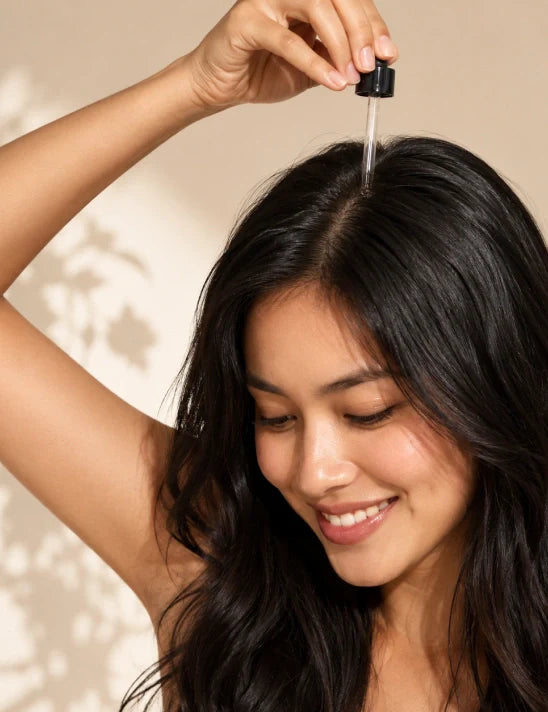
Hair benefits are usually more about feel and ritual than dramatic transformation. A rose water mist can lightly refresh the scalp, soften the hair's scent, and reduce that dry, flat feeling hair sometimes gets between wash days.
A few simple uses stand out:
- Scalp comfort: A light mist at the roots can make the scalp feel calmer and less tight.
- Hair refresh: Spritzing the lengths can wake up second-day hair without adding much weight.
- Layering step: Rose water pairs well with oils in a routine where you want hydration first and richer nourishment later.
If your focus is hair shedding or growth support, rose water usually plays a supporting role rather than a primary one.
Rose water shines when you want your routine to feel lighter, calmer, and less complicated.
How to Use Rose Water in Your Daily Routine
The best way to answer what is rose water used for is to show how it fits into real moments. You don't need a complicated ritual. A few small uses can make it one of the hardest-working bottles in your routine.
After cleansing
This is the most common use. Cleanse first, then mist rose water directly onto your face or apply it with clean hands or a cotton pad. Follow with moisturizer while skin is still slightly damp if that feels good to you.
This step works well because it's simple. It helps shift the skin from cleansing into the rest of your routine without piling on a strong active right away.
As a facial mist during the day
Keep a bottle at your desk, in your bag, or near your skincare shelf. A few sprays can make skin feel fresher when indoor air feels dry or your face feels warm and tired.
A good rule is to mist lightly, then let it air dry or press it in gently. If your skin gets dehydrated easily, follow with a cream later rather than relying on mist alone.
As a setting spray
Some people like rose water as the final step after makeup because it softens a powdery look and adds a fresh finish. Mist from a comfortable distance, then let it settle without touching your face right away.
If you want a more detailed walkthrough, this article on using rose water as setting spray gives a helpful breakdown of how to work it into a makeup routine.
For hair and scalp refresh
A light spray at the roots can freshen the scalp between washes. On lengths and ends, it can bring back softness and a delicate scent. If your hair is textured or curly, try misting lightly and then scrunching to revive shape without soaking the strands.
In aromatherapy and home rituals
Rose water also belongs outside the bathroom. You can mist it onto linens, use it as a soft room spray, or spray a little into the air before a slow evening routine. This is one of the most overlooked ways to use it, even though scent is part of why people fall in love with rose water in the first place.
A product doesn't have to be dramatic to be valuable. Sometimes a gentle scent and a cooling mist are exactly what makes a routine sustainable.
In drinks and desserts
Rose water's uses extend beyond common beauty articles; it also has a long-standing role in cooking, perfumery, and religious rituals across Eurasia and the Middle East, and it has long been used as a flavoring in Middle Eastern and West Asian cuisines, including dishes, beverages, and desserts.
The key safety point is essential. Cosmetic rose water and food-grade rose water are not the same thing. If you want to use rose water in lemonade, milk desserts, syrups, or baked goods, choose a product specifically labeled for culinary use. Don't assume the bottle on your vanity belongs in your kitchen.
Here's a simple way to look at it:
| Use | What to check |
|---|---|
| Face mist or toner | Look for a pure hydrosol or flower water |
| Hair or scalp mist | Keep ingredients simple and avoid heavy additives |
| Room or linen spray | Use cosmetic or home-safe rose water only |
| Cooking or drinks | Use food-grade rose water only |
Simple DIY Recipes and How to Choose a Quality Product
If you like making things yourself, a basic simmered rose water can be a lovely kitchen project. It won't be the same as a professionally distilled hydrosol, but it can help you understand the ingredient in a very hands-on way.
This checklist makes both the DIY side and the shopping side easier:

A simple home version
If you want to try it, use fresh unsprayed petals and just enough water to cover them. Simmer gently until the petals lose their color, then strain the liquid and store it in a clean bottle in the fridge. Because this is a simple homemade preparation, it's best treated as short-term and handled carefully.
Homemade rose water is less about perfection and more about familiarity. It helps you notice the scent, the softness, and the difference between a true plant preparation and a synthetic rose fragrance.
How to shop for a better bottle
When you're buying rose water instead of making it, label reading matters a lot more than branding language.
Look for these signs:
- A short ingredient list: The cleaner the formula, the easier it is to understand what you're putting on your skin.
- Words like hydrosol, distillate, or flower water: These terms often point to a true botanical water rather than scented water.
- No added perfume if you want simplicity: Added fragrance can make a product less appealing for reactive skin.
- Protective packaging: Dark glass is often preferred because it helps protect delicate botanical ingredients from light.
- Clear intended use: Cosmetic use and culinary use should be clearly distinguished.
If you'd like to compare one example of a simple product format, Ella & Eden offers an Organic Rose Water Spray positioned as a multi-use face and hair mist.
Buying tip: If the label sounds more like perfume than plant water, pause and read the ingredients again.
Is Rose Water Safe for Everyone
Rose water is often marketed as if it suits every face without question. That's too simplistic. An honest answer is that it may feel soothing for many people, but natural fragrance compounds can still bother some skin types.
Healthline notes that there haven't been many studies on rose water's benefits, and that its use for eczema or rosacea still needs more research compared with standard treatments, which is why a cautious approach makes sense for anyone with reactive skin, fragrance sensitivity, or active dermatitis.
When extra caution makes sense
Be more careful if your skin is currently stinging, peeling, flaring, or reacting to multiple products. In those moments, even a gentle hydrosol may not be the best first thing to try.
A few groups should slow down and patch-test first:
- People with very sensitive skin
- Anyone with a history of fragrance reactions
- Those managing active eczema, rosacea, or dermatitis
- Anyone trying a new rose water product with a longer ingredient list
How to patch-test it
Apply a small amount to the inner arm or another discreet area. Leave it on and watch for signs of irritation before using it on the face. If your skin becomes itchy, red, hot, or uncomfortable, wash it off and skip facial use.
This is not optional if your skin is reactive. “Natural” doesn't automatically mean problem-free.
If your skin barrier is already upset, choose calm over curiosity. Test first, then decide.
If you want a simple, multi-purpose rose water for everyday rituals, Ella & Eden offers clean beauty essentials built around straightforward ingredients and easy routines.