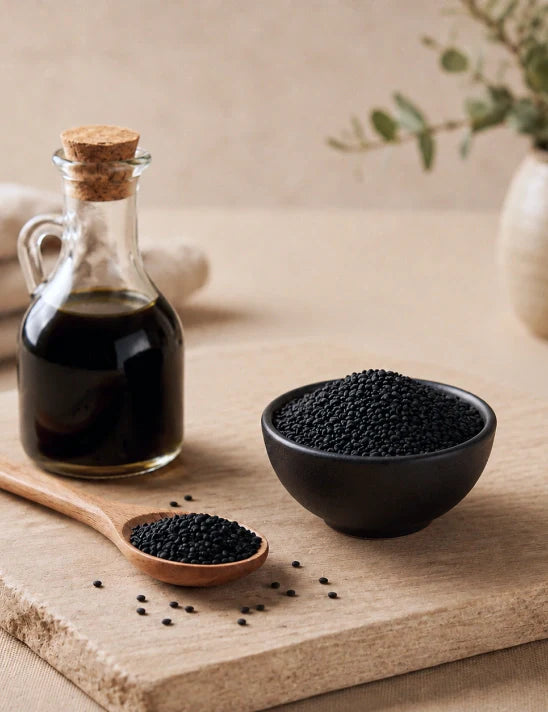
Castor Oil Packs for Thyroid: Your 2026 Guide
Some days, thyroid-related wellness questions don’t start with a diagnosis. They start with a feeling. You’re tired even after sleeping. Your neck feels a little puffy or tender. Your energy is uneven, your mood feels off, and you keep looking for a simple ritual that helps you slow down and support your body without turning every evening into a complicated protocol.
That’s why many people become curious about castor oil packs for thyroid support. The practice has been used in traditional wellness settings for a long time, and it’s easy to understand the appeal. It’s hands-on, low-tech, and calming. You need oil, cloth, warmth, and time to rest.
At the same time, this is one of those topics where balance matters. Castor oil packs are often talked about as though they’re universally helpful, universally safe, and fully proven. That’s not the full picture. There is historical use, practitioner experience, and some supportive evidence around castor oil packs more broadly. But thyroid-specific research is limited, and some people should be cautious or avoid this ritual altogether.
A thoughtful approach works best. If you’re interested in natural support, it helps to know what castor oil may do, what it probably doesn’t do, and how to use it in a way that is clean, realistic, and safe.
An Introduction to This Soothing Self-Care Ritual
A castor oil pack is a soft cloth soaked in castor oil and placed on the body, usually with a layer of warmth over it. For thyroid support, the pack is placed over the front base of the neck where the thyroid sits. Then you rest.
That simplicity is part of why the ritual resonates with so many people. It doesn’t ask you to master a long routine. It asks you to pause. For someone who feels wired, depleted, or disconnected from their body, that pause can be meaningful on its own.
Why people turn to it
People usually don’t come to this ritual looking for a miracle. They’re often looking for support around things like:
- A sense of neck fullness that feels uncomfortable
- Fatigue and sluggishness that make daily life feel heavier
- A calming bedtime practice that helps the whole body unwind
- A more integrated rhythm alongside medical care, nutrition, and stress support
Historically, castor oil has been used in natural medicine for detoxification and body support. In modern wellness spaces, that traditional use has blended with current interest in lymphatic support, inflammation, and gentle rituals that encourage rest.
Castor oil packs make the most sense when you view them as an adjunct practice, not a replacement for diagnosis, medication, lab work, or follow-up care.
What makes the ritual appealing
There’s also something grounding about using one ingredient and one clear action. You apply the oil, place the pack, add warmth, and let your body be still for a while. For people who prefer minimalist self-care, that feels more sustainable than adding another supplement shelf or complicated protocol.
That doesn’t mean every claim attached to castor oil packs is equally strong. Some benefits are discussed anecdotally. Some ideas are supported indirectly. Some remain theoretical. Knowing the difference helps you use the ritual with confidence instead of hype.
The Science Behind Castor Oil and Thyroid Support
Castor oil packs are usually discussed in three scientific buckets. Local tissue comfort, circulation and lymph flow, and broader support for systems involved in hormone balance. That framework helps separate what is reasonably plausible from what is still mostly based on tradition and practitioner experience.

Ricinoleic acid and local tissue comfort
The main active fatty acid in castor oil is ricinoleic acid. Researchers often focus on it because it appears to have anti-inflammatory properties, which helps explain why castor oil has remained part of traditional self-care for sore, tense, or irritated areas.
For thyroid support, this point matters in a very specific way. Calming the tissues over the neck is different from changing thyroid hormone production, correcting Hashimoto’s, or shrinking nodules. A person may feel less tightness or tenderness in the area and still need medical evaluation, lab work, imaging, or prescribed treatment.
That distinction keeps expectations realistic.
Circulation, warmth, and the lymphatic discussion
The front of the neck contains a dense network of blood vessels, connective tissue, and lymph channels. A warm castor oil pack may encourage local circulation because heat tends to bring more blood flow to the surface. You can picture it like loosening traffic in a crowded intersection. Movement often feels easier when the area is warm and relaxed.
This is one reason castor oil packs are often described as “decongesting” in wellness circles. The language is informal, but the idea is understandable. If tissues feel puffy, tense, or sluggish, warmth and rest may help the area feel more comfortable for a while.
The stronger claims need more caution. There is not enough thyroid-specific clinical research to say that castor oil packs clearly improve thyroid lab values or treat thyroid disease. Some indirect evidence and case-based observations keep interest alive, but the research base is still limited.
Why the liver is part of the conversation
Thyroid support is not only about the gland in your neck. The body also has to convert thyroid hormone into forms your cells can use. That is why some wellness practitioners discuss liver support alongside thyroid care and sometimes place castor oil packs over the upper abdomen instead of the neck.
This does not prove that a castor oil pack improves hormone conversion. It does show why the practice is often framed as a whole-body support ritual rather than a gland-only technique.
What the evidence supports, and what it does not
A balanced reading of the evidence looks like this:
| Area | What we can say |
|---|---|
| Traditional use | Castor oil packs have a long history in natural wellness traditions. |
| Biologic plausibility | Ricinoleic acid and heat provide a reasonable explanation for why packs may feel soothing on tense or irritated tissue. |
| Indirect thyroid relevance | Interest in circulation, lymph flow, relaxation, and liver function gives the practice a plausible wellness rationale. |
| Proven thyroid outcomes | Large-scale clinical trials showing clear benefits for thyroid disease are lacking. Most thyroid-specific claims still rely on anecdotal reports, practitioner observation, and indirect theory. |
That mix of promise and uncertainty is why castor oil packs fit best as a supportive ritual. They may help some people feel more comfortable, more relaxed, and more connected to their care routine. They should not replace diagnosis or treatment.
How to Prepare Your Thyroid Castor Oil Pack
Preparation makes the ritual easier. It also prevents the two things that frustrate most beginners. A dripping mess and an awkward setup.

Gather the right materials
You don’t need many supplies, but the ones you choose matter. A standard protocol uses an unbleached flannel soaked in 2 to 4 tablespoons of organic, cold-pressed castor oil, and the same source notes that applying heat may enhance transdermal absorption by 20 to 30% via vasodilation in its discussion of thyroid castor oil pack preparation.
Start with these basics:
- Organic, cold-pressed castor oil because this ritual sits on your skin for a sustained period
- A soft cloth such as unbleached flannel or organic cotton
- A barrier layer like plastic wrap or a protective sheet to keep oil from spreading
- A gentle heat source such as a hot water bottle or heating pad
- An old towel for your pillow, shirt, or bed
If you’re selecting oil, it helps to choose one that is simple and clearly labeled. A glass-bottled organic castor oil option is one example of the kind of single-ingredient product people often look for when they want a cleaner routine.
How much oil to use
More oil doesn’t make the pack better. It just makes it harder to handle.
A good pack is well saturated but not dripping. If you pick up the cloth and oil runs down your hand, you’ve gone too far. If the cloth looks barely damp, it may not stay evenly in contact with the skin.
Try this approach:
- Fold your cloth so it fits the front base of your neck comfortably.
- Pour a modest amount of oil across the center.
- Press the oil through the fabric with clean fingers until the surface looks evenly coated.
- Add a little more only if dry spots remain.
Set up the space before you begin
The best way to make this ritual feel soothing is to remove friction before you lie down. Don’t apply oil first and then go searching for a towel, a heat source, and something to protect your clothes.
Create a small setup station:
- Choose your location on a bed, sofa, or reclined chair where your neck can stay relaxed
- Protect surfaces with an older towel you don’t mind staining
- Keep wipes nearby if you want to clean your hands right after placing the pack
- Wear something open at the neckline so you aren’t tugging fabric around the area
A calm ritual starts with a calm setup. Five minutes of prep saves you from spending the whole session adjusting cloth, catching drips, or worrying about stains.
Why quality matters
People often ask whether the exact oil quality really matters for a topical ritual. In practice, it does. Castor oil packs involve prolonged skin contact, often with heat. That’s different from using a tiny amount of oil on hair ends and washing it out quickly.
A cleaner option matters most if you have:
- Sensitive skin
- A history of contact irritation
- A preference for fragrance-free routines
- A desire to keep the ritual as minimal as possible
Think of this as creating a supportive environment for your body rather than trying to overpower it. The best preparation is simple, clean, and repeatable.
A Step-by-Step Guide to Applying the Pack
The application itself should feel calm and uncomplicated. You are creating gentle contact over the thyroid area, adding mild warmth, and giving your body a quiet window to rest. If anything feels tight, overly hot, or awkward to maintain, adjust it.

Place the pack correctly
Settle back with your head and neck supported so the front of the neck stays relaxed. Place the oiled cloth over the lower front of the neck, around the area above the collarbones where the thyroid sits. The cloth should rest there lightly, like a warm compress, not hug the throat.
A quick comfort check helps. You should be able to swallow easily, breathe normally, and turn your head a little without feeling pressure. If your jaw tightens or your shoulders start creeping up, reposition the pack before you begin your rest.
Add the protective layer and warmth
Once the cloth is in place, add your barrier layer on top to help contain the oil. Then place a gentle heat source over that layer.
Keep the temperature mild.
The goal is steady warmth, not intensity. Skin on the neck can be sensitive, and more heat does not mean better results. If the area feels too hot after a minute or two, remove the heat and let it cool slightly before trying again. Warm and comforting is the target.
How long to rest
A shorter session is often the easiest place to start, especially if this is your first time using a pack on the neck. As noted earlier in the article, consistent use tends to matter more than pushing for long sessions right away.
A practical rhythm often looks like this:
- Start short so you can see how your skin responds to both the oil and the heat
- Extend gradually once the process feels easy and comfortable
- Keep the session restful rather than treating it like something to endure
If you already know your skin is reactive, shorter is better at first. That gives you a clearer read on whether the oil, the fabric, or the heat needs adjusting.
A good session feels easy to repeat. That matters more than making the first session long.
What to do during the session
Stillness helps here. You might rest with your eyes closed, listen to quiet music, or take slow breaths without trying to make the moment feel overly structured. The neck area tends to tense quickly when you scroll, prop your head forward, or hold your shoulders up, so choose something that lets the front of the body soften.
Many people describe the ritual as calming. That response makes sense. Warmth, touch, and rest often work together like a signal that the body can settle. That does not prove a specific thyroid effect, but it does help explain why some people find the practice soothing and worth repeating as part of a broader wellness routine.
If you want a clearer picture of the flow, this castor oil pack how-to guide offers a useful visual reference.
Aftercare and storage
When your session is done, remove the heat source first, then the barrier layer, then the cloth. Wipe the skin gently if you prefer not to leave oil on the neck. If your skin feels comfortable and you are heading to bed, a very light residue may be fine, but stop if it feels itchy or irritating.
Store the used cloth in a sealed bag or container between sessions. Keep it in a cool place and check it before reusing it. If it smells off, looks discolored, or feels unpleasant against the skin, replace it.
| Aftercare step | Why it helps |
|---|---|
| Wipe the neck gently | Reduces residue on clothing or bedding |
| Wash hands well | Prevents oil transfer to face, phone, or sheets |
| Store the cloth sealed | Keeps the ritual tidy and easier to repeat |
| Check the skin later | Helps you spot irritation early |
Recommended Frequency and Realistic Outcomes
It's important to set realistic expectations. Castor oil packs tend to work best as a rhythm, not a one-time experiment. But that doesn’t mean more is always better.
One of the more practical recommendations in practice is regular application several times per week, with consistency doing more than occasional long sessions. The preparation source cited earlier also notes that inconsistent use, defined there as less than 3 times per week, yields minimal symptom relief, while adherence matters more.
A sustainable rhythm matters most
For many people, the easiest way to stay consistent is to pair the ritual with something they already do. After dinner. Before reading in bed. During a quiet evening reset.
A sustainable schedule usually has these qualities:
- It fits real life, not an ideal version of your week
- It feels calming, not like another task to finish
- It leaves room to adjust if your skin feels sensitive or your neck area feels overstimulated
If you dread the cleanup, shorten the session. If lying fully flat feels awkward, recline instead. The best routine is the one you’ll repeat.
What you might notice early
Some effects are immediate and simple. People often describe the ritual as grounding, warm, and settling. That makes sense. You’re applying gentle heat, resting, and reducing stimulation for a while.
You may also notice subtle local effects over time, such as:
- The area feels less tense
- The neck feels more comfortable
- Evening rest feels easier
- The practice becomes part of a broader calming routine
These changes are meaningful, but they’re not the same as lab-confirmed thyroid change. Keeping that distinction clear prevents disappointment and helps you assess the ritual accurately.
What not to expect
Castor oil packs are not a shortcut around thyroid testing, medication review, nutrition support, or medical follow-up. If someone is hoping a topical ritual will replace all of those, expectations need to be reset.
A useful mindset is to ask, “Does this support my overall routine?” rather than “Did this solve everything?”
Realistic expectation: think in terms of support, comfort, and consistency. Not cure, speed, or dramatic transformation.
If you want to track your experience, keep it simple. Note how your neck feels, how your skin responds, and whether the ritual helps you maintain a more restorative evening rhythm.
Important Safety Precautions and Troubleshooting
This is the part many articles rush through. They shouldn’t. A soothing ritual can still be the wrong choice for some people.

The biggest safety point
One important reality stands out. There are no clinical trials on thyroid-specific application, and one safety-focused review notes that ricinoleic acid’s prostaglandin-like effects could theoretically stimulate an already overactive gland, making this practice contraindicated for hyperthyroid conditions like Graves’ disease. That same review advises users to consult an MD, especially if taking levothyroxine, and patch test first in this discussion of thyroid castor oil pack safety and contraindications.
That’s a good example of why “natural” doesn’t automatically mean “for everyone.”
Who should pause and ask their clinician first
If any of the following apply, get individualized guidance before trying castor oil packs for thyroid support:
- Diagnosed hyperthyroidism or Graves’ disease
- Current thyroid medication use, especially if your treatment plan is still being adjusted
- A history of strong skin reactions
- A new thyroid lump, swelling, or pain that hasn’t been medically evaluated
- Pregnancy, since many conservative wellness protocols avoid this type of practice without clinician approval
This isn’t fear-based advice. It’s basic good judgment. The neck is not the same as the forearm or lower leg. It houses a hormone-producing gland, major blood vessels, and sensitive tissues.
Common problems and easy fixes
Most difficulties with castor oil packs are practical rather than dramatic. Here are the ones people run into most often.
Skin irritation
If your skin gets itchy, red, or hot, stop. Don’t assume that pushing through is part of the process. It may be the oil, the duration, or the heat.
Too much pressure on the throat
A pack should rest on the area, not cinch around it. If swallowing feels strange, reposition immediately.
Heat that is too intense
More heat does not mean more benefit. It usually means more tension and a greater chance of irritation.
Messiness that makes you quit
Use older towels, prepare everything first, and keep the oil amount moderate. A neat ritual is easier to repeat.
A quick troubleshooting guide
| Problem | Likely cause | Better approach |
|---|---|---|
| Red or itchy skin | Sensitivity to oil, friction, or heat | Patch test first and shorten the session |
| Throat feels compressed | Pack placed too high or too tightly | Move it lower and keep the wrap loose |
| You feel overstimulated | Heat is too strong or session is too long | Reduce warmth and cut back the duration |
| You stop after one try | Setup felt inconvenient | Create a simpler, lower-mess routine |
Stop the session if your body feels worse, not better. A supportive practice should feel tolerable, calm, and easy to recover from.
The safest way to think about this ritual
The safest mindset is to treat castor oil packs as optional supportive care. Not required. Not harmless for everyone. Not a substitute for real medical evaluation.
If you have diagnosed thyroid disease, use this question as your filter: “Would my clinician be comfortable with me adding this to my routine?” That one question can save you from trying to self-experiment during a time when your thyroid is already unstable.
Embracing Castor Oil as Part of Your Wellness Journey
Some rituals earn their place quietly. You try them on an ordinary evening, notice that your shoulders drop, your breathing slows, and for twenty or thirty minutes your body feels less like a problem to solve and more like something to care for.
That is a useful way to understand castor oil packs. For some people, they become a calming neck-care practice that supports comfort and rest. For others, they are a gentle experiment that does not make much difference. Both responses are normal, especially since clinical research on castor oil packs for thyroid concerns remains limited and anecdotal experience often carries more of the conversation than hard evidence.
A balanced approach helps. Use castor oil packs for thyroid support as one small part of a plan that may also include medical care, enough protein and nutrients, steady sleep, stress support, and follow-up when symptoms change. A castor oil pack is more like adding a warm compress to a larger care routine than flipping a switch on thyroid function.
Keep your expectations gentle.
The best self-care practices usually feel sustainable, clear, and easy to return to. If castor oil packs become part of your routine, let them stay simple and safe. Let the goal be comfort, consistency, and better body awareness, not pressure to create a dramatic result overnight.
If you’re ready to build a cleaner self-care ritual, Ella & Eden offers simple, single-ingredient oils designed for everyday use. Their approach fits this kind of practice well: minimal, thoughtful, and rooted in quality you can feel good about bringing into your routine.