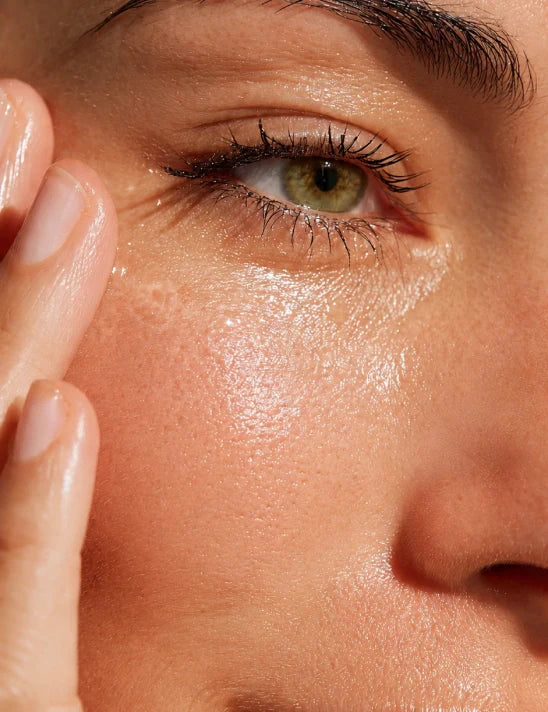
Coconut Oil and Vitamin E Oil: A Complete Beauty Guide
Your bathroom shelf starts out with good intentions. A face oil for winter dryness. A separate serum for dullness. A hair treatment for frizz. A cuticle product you use twice, then forget. Before long, you’ve got a row of half-used bottles and no routine that feels simple enough to keep.
That’s usually the moment people come back to basics.
Coconut oil and vitamin e oil make sense for anyone who wants fewer products but better purpose. One is rich and cushioning. The other is protective and concentrated. Used thoughtfully, they can support dry skin, soften rough areas, add slip and shine to hair, and help turn a rushed routine into something more intentional.
They’re also easy to misunderstand. Some people use too much coconut oil and end up greasy. Others buy a thick vitamin E formula and assume more is better. Sensitive skin can get overwhelmed when the blend is too rich, or when it’s applied in the wrong place.
A good routine isn’t about using the heaviest oil or the most expensive bottle. It’s about matching the blend to the problem in front of you. Frizz needs one approach. Dehydrated body skin needs another. A flaky scalp needs a different rhythm than brittle ends.
That’s where this guide helps. You’ll learn what each oil does, why they work well together, how to blend them without guesswork, and how to adjust your routine if your skin is reactive or your hair gets weighed down easily.
The Power of Simplicity in Your Beauty Routine
Maya had a common problem. Her skin felt tight after showering, her hair puffed up by midday, and her nightstand held a clutter of single-purpose products she didn’t enjoy using. She wanted something cleaner and calmer, not another complicated system.
So she stripped things back.
Instead of switching between multiple jars and serums, she kept two staples nearby: coconut oil for softness and slip, vitamin E oil for antioxidant support. That small change made her routine easier to repeat. She wasn’t trying to do everything. She was using a pair of ingredients that covered the basics well.
That’s the main appeal of a minimalist beauty routine. It doesn’t ask you to give up care. It asks you to choose ingredients that can do more than one job.
Why two oils can feel like enough
Coconut oil has a familiar, grounding feel. It’s the kind of ingredient people reach for when skin feels rough or hair feels thirsty. Vitamin E oil plays a different role. It’s often used in smaller amounts, more like a booster than a base, because its main strength is protection.
Together, they create a routine with range.
- For dry skin: the blend helps seal in moisture after bathing
- For frizz: it can smooth the hair surface when used sparingly
- For dullness: it adds sheen and softness without a long ingredient list
- For self-care: it turns quick maintenance into a short ritual you’ll consistently keep
Practical rule: If your routine feels hard to maintain, the answer usually isn’t more products. It’s a better match between your needs and the products you already use.
Where people get stuck
Most confusion comes from treating all oils the same. They aren’t.
Some oils are better as a full-face daily product. Some are better for body care or hair ends. Some are best used in drops, not spoonfuls. Coconut oil and vitamin e oil work well, but they work best when you understand where each one shines and where you should go lighter.
That’s the difference between a simple routine that feels elegant and one that feels messy.
Understanding Your Two Core Ingredients
A simple oil blend works better when you know what each bottle is contributing. That is what keeps a routine from feeling random. You can choose a richer mix for rough heels, a lighter one for frizzy ends, or a very cautious version for reactive skin.

Coconut oil in plain language
Coconut oil is the foundation oil in this pairing. On skin, it creates a richer layer that helps reduce water loss from the surface. On hair, it adds softness and helps rough ends feel more controlled.
Part of that feel comes from its fat profile. Coconut oil is made up mostly of saturated fats, which is one reason it feels dense, stable, and solid in cooler rooms. It also contains lauric acid, a fatty acid often discussed in hair care because of how well coconut oil interacts with the hair shaft.
That structure explains why coconut oil is often more useful on the body, on dry patches, or on hair lengths than as an all-over facial oil for every skin type. If your skin is dry and comfortable with richer textures, it can feel soothing. If you clog easily, the same richness may feel too heavy. Knowing that early saves frustration later.
A practical way to picture its role is simple. Coconut oil is usually the part of the blend that gives body, slip, and staying power.
Vitamin E oil in plain language
Vitamin E oil plays a different role. It is usually added in smaller amounts because it is thick, concentrated, and often sticky on its own.
Topically, vitamin E is valued for antioxidant support. A review in dermatology literature describes vitamin E, especially alpha-tocopherol, as a fat-soluble antioxidant used to help protect skin from oxidative stress and UV-related damage, according to the National Center for Biotechnology Information review on vitamin E in dermatology.
For a home blend, that means vitamin E oil is less about changing texture in a dramatic way and more about adding a treatment element. It helps a basic oil blend feel more purposeful, especially for skin that looks dull, feels dry, or gets stressed by sun, wind, or friction.
It can also be the ingredient that causes hesitation. Some vitamin E oils are pure and very thick. Others are diluted with carrier oils. That is why two bottles labeled "vitamin E oil" can behave very differently in your palm.
A helpful rule is this. Coconut oil usually determines how the blend feels. Vitamin E usually determines how concentrated the blend becomes.
A quick side-by-side view
| Ingredient | Main role | Texture | Best use style |
|---|---|---|---|
| Coconut oil | Softens and helps seal moisture in | Rich, heavier, often solid when cool | Main oil for body care, hair lengths, and dry areas |
| Vitamin E oil | Adds antioxidant support | Thick, concentrated, often sticky | Small-amount booster for targeted blends |
Why they pair so well
These oils work well together because they solve different parts of the same problem. One improves the feel of a dry surface. The other adds extra support to that formula.
That makes blending easier to personalize.
- For frizz: use mostly coconut oil, with just a small amount of vitamin E so hair gets shine without a gummy finish
- For body dryness: a richer ratio gives you a cushiony layer that lasts longer after bathing
- For dull-looking skin on elbows, knees, or cuticles: a few drops of vitamin E can make the blend feel more treatment-focused
- For sensitive skin: start with mostly coconut oil and patch test before increasing vitamin E
Used this way, coconut oil and vitamin e oil stop being a vague DIY idea and become a simple framework. You are choosing a base, adding a booster, and adjusting the balance based on what your skin or hair is asking for.
The Combined Benefits for Radiant Skin and Hair
When these two oils are blended well, the payoff is less about hype and more about function. You get moisture from one side and antioxidant support from the other. That’s a useful combination for skin that feels dry and hair that feels worn out.

What the blend can do for skin
Skin often needs two things at once. It needs moisture kept in, and it needs support against stress from the environment. Coconut oil helps with the first part because it creates a more occlusive layer. Vitamin E helps with the second because it acts as an antioxidant.
That means the blend is especially useful when skin feels:
- Dry after cleansing
- Tight after a shower
- Dull from weather or indoor heating
- Rough on elbows, knees, heels, and cuticles
The feel of the blend matters here. Coconut oil gives glide and softness right away. Vitamin E gives the formula a more treatment-like quality, especially in evening routines when you want skin to rest under a protective layer.
Why hair often responds so well
Hair benefits from coconut oil in a more specific way than many people realize. A review of virgin coconut oil found that its primary fatty acid, lauric acid, penetrates the hair shaft and reduces protein loss during grooming and UV exposure more effectively than mineral oil. The same review notes that when virgin coconut oil is blended with vitamin E, the combination can help reduce hair breakage by up to 50% under certain UV benchmarks, according to the PubMed review on virgin coconut oil and topical uses.
That’s why this duo often works well for:
- Frizzy hair that swells in humidity
- Dry ends that look rough even after styling
- Hair exposed to sun, brushing, and heat
- Scalp dryness that makes hair look less polished overall
The key word is penetration. Some oils mostly sit on the outside of the hair. Virgin coconut oil is notable because lauric acid can move further into the hair shaft. That helps explain why it often performs better as a pre-wash treatment than as a heavy leave-in.
If your hair gets greasy easily, the fix usually isn’t to stop using oils. It’s to change where you place them. Mid-lengths and ends are often enough.
Skin and hair benefits at a glance
| Concern | How coconut oil helps | How vitamin E helps |
|---|---|---|
| Dry body skin | Seals softness into the surface | Adds antioxidant support |
| Rough texture | Cushions and smooths | Supports stressed skin |
| Frizz | Coats and softens the hair fiber | Helps protect keratin from oxidative stress |
| Dull ends | Adds slip and sheen | Brings a more treatment-focused finish |
What this looks like in real life
A few examples make the pairing easier to understand.
Someone with coarse, dry hair might use a small pre-shampoo blend through the lower half of the hair to reduce roughness and improve shine after washing. Someone with winter body dryness might massage a light layer into damp arms and legs after bathing. Someone with brittle cuticles might keep a tiny amount by the sink and use it after handwashing.
Same ingredients. Different routines. Better fit.
What not to expect
This blend can support skin and hair well, but it isn’t the answer to every concern. It won’t behave like a prescription acne treatment. It won’t replace a dedicated sunscreen. And if your skin is easily congested, coconut oil may feel too heavy for your face even if it works beautifully on your body or hair.
That’s not failure. It’s product placement.
The best use of coconut oil and vitamin e oil is targeted use, where their texture and protective qualities make sense.
How to Create Your Perfect Oil Blend
Blending these oils at home works best when you start small. A good formula should feel easy to spread, not thick and gluey. You want enough vitamin E to enrich the blend, but not so much that the mixture becomes sticky or hard to tolerate.
A practical starting point is simple. Use 1 teaspoon of coconut oil with 5 to 10 drops of vitamin E. Coconut oil’s lauric acid can help deliver vitamin E more effectively, and that this kind of blend has been associated with natural UV protection in the SPF 4 to 8 range and a 15% to 25% reduction in the appearance of fine lines over 8 weeks in antioxidant-focused studies.
That sounds appealing, but the formula still needs to fit your skin and hair type.
Your baseline blend
Use this as your first trial batch:
- Scoop 1 teaspoon coconut oil into a clean small bowl.
- Warm it between your fingers or place the bowl in warm water if it’s solid.
- Add 5 drops vitamin E oil if you want a lighter blend.
- Add closer to 10 drops if you’re making a richer treatment for very dry body skin or hair ends.
- Stir with a clean cotton swab or spoon until fully combined.
If you like the feel, make only enough for short-term use. Small batches stay fresher and let you adjust quickly.
How to personalize it
Different concerns call for different textures.
- For frizz-prone hair: keep the blend coconut-forward. You want slip and smoothing without too much tackiness.
- For flaky body skin: go a little richer with vitamin E, especially for elbows, knees, and heels.
- For dull ends: use a lighter hand overall. The amount matters more than the ratio.
- For sensitive skin: start with fewer drops of vitamin E and test the blend on a small area first.
Hair type matters too. If your strands are fine, use less and keep it away from the roots. If your hair is coarse or curly, a richer application can make sense. If you want a broader look at texture-friendly options, this guide to carrier oils for different hair needs is a useful companion.
Blend check: When you rub the oil between your fingers, it should feel silky and spreadable. If it drags or feels gummy, lower the vitamin E portion next time.
A simple decision chart
| Your concern | Better blend style |
|---|---|
| Body dryness | Richer, slightly more vitamin E |
| Fine hair frizz | Lighter, mostly coconut oil |
| Coarse hair ends | Medium to rich, applied sparingly |
| Reactive skin | Minimal vitamin E at first, patch test |
The smartest blend is rarely the strongest one. It’s the one you’ll use because it feels good on your skin and behaves well in your routine.
Your Step-by-Step Application Routines
A good oil blend gets better when you pair it with the right timing and placement. Many individuals don’t need more product. They need a calmer method.

Radiance-boosting face routine
Use caution here if your skin clogs easily. For dry, resilient skin, a tiny amount can work well as a finishing layer at night.
Try this routine:
- Cleanse gently and leave your skin slightly damp.
- Warm a very small amount of your blend between your fingertips.
- Press it onto the outer cheeks, temples, and any dry patches.
- Avoid areas where you usually break out.
- Leave it on overnight and assess your skin in the morning.
This routine works best for people whose skin feels more dry than oily. If your face is combination or reactive, treat this as an occasional comfort step, not a daily rule.
Post-shower body ritual
Under certain conditions, coconut oil and vitamin e oil often shine most naturally. Damp body skin gives the blend something to hold onto, and the richer texture feels welcome on larger areas.
Use it this way after bathing:
- Pat, don’t fully dry: leave a light veil of water on your arms and legs
- Apply in sections: one limb at a time prevents overuse
- Focus on friction zones: elbows, knees, ankles, and hands usually need more
- Use less than you think: a thin layer feels better than a glossy coat
If your skin gets itchy when the weather changes, this simple post-shower step often feels more reliable than waiting until skin is already uncomfortable.
The best time to apply an oil blend is when skin is still slightly damp. That gives the oil a moisture layer to seal, instead of asking it to fix fully dry skin on its own.
Nourishing scalp treatment
Scalp care is where people often overdo it. They massage in too much oil, leave it too long, then struggle to wash it out. A better approach is measured and targeted.
Try a pre-wash scalp treatment when your scalp feels dry or tight:
- Part the hair in sections.
- Place a small amount of blend on fingertips.
- Press it along dry areas of the scalp rather than flooding the whole head.
- Massage gently for a few minutes.
- Leave it on briefly before shampooing thoroughly.
If your scalp gets buildup easily, keep this treatment occasional. If your scalp is dry but your ends are rough too, use the remaining blend on the lower half of the hair before washing.
Frizz-control hair mask
This is one of the most practical uses for the blend. A short pre-shampoo treatment can soften roughness without leaving hair limp afterward.
Use this approach:
- Start with dry or slightly damp hair.
- Smooth a small amount through mid-lengths and ends.
- Comb through with a wide-tooth comb.
- Leave it in for a short period before washing.
- Shampoo well, then condition lightly if needed.
For many people, this is better than using the blend as a leave-in. You get the benefit of softness and shine, but you rinse away the excess before it weighs the hair down.
Overnight care for rough spots
Not every routine needs to be full-body. Sometimes the smartest use is local.
This works well on:
- Cuticles
- Knuckles
- Heels
- Dry patches around the ankles
- Areas that get rough from frequent washing
Massage in a thin layer before bed, then let it sit overnight. Cotton socks or gloves can help on very rough areas if you don’t like the feeling of oil on sheets.
When to use less
People usually need this reminder more than instructions.
Use less if:
- your hair is fine
- your scalp gets oily quickly
- your face breaks out easily
- the blend sits on top of the skin instead of sinking in
- your pillowcase starts telling you you’ve applied too much
A good oil routine should leave skin comfortable and hair smoother. It shouldn’t feel sticky, coated, or hard to wash off. If it does, reduce the amount first before changing the formula.
Sourcing Quality Oils and Usage Precautions
A blend can fail before it ever touches your skin.
You buy two bottles that look clean and simple. One melts smoothly, smells fresh, and leaves skin comfortable. The other feels waxy, stale, or oddly sticky. The difference usually comes down to sourcing, processing, and storage.

What to look for when buying
For coconut oil, look for virgin, unrefined, and cold-pressed on the label if your goal is a product that stays close to its original form. Those terms usually point to less processing, which matters if you care about purity and want a blend with a more natural feel and scent. If you want more context on extraction, this guide to cold-pressed oil benefits explains why method can affect the final oil.
Vitamin E oil takes a little more label reading. Some bottles contain pure vitamin E, while others mix vitamin E with carrier oils to make the texture easier to spread. That is not automatically a problem. It just changes how your final blend behaves, so clear ingredient labeling matters.
Packaging gives clues too. Dark, tightly sealed bottles help protect oils from light and air. A fresh oil should smell clean, not sharp, sour, or dusty.
A quick buying checklist
- Choose virgin coconut oil for a less processed option
- Read the full ingredient list on vitamin E oil, especially if you want a simple blend
- Prefer dark, well-sealed packaging to reduce light and air exposure
- Skip bottles with a stale smell or a texture that seems off for the product
- Buy small amounts first if you are testing how your skin or hair responds
Usage precautions that actually matter
Coconut oil is rich and protective, which is exactly why some areas love it and some do not. Dry legs, heels, and hair ends often handle it well. Acne-prone facial skin may not.
Placement is part of personalization. If your main concern is frizz, using the blend on hair ends makes more sense than putting it near the scalp. If your concern is body dryness, elbows and shins are a safer starting point than the face. If dullness is your issue, a very thin layer on dry lengths or rough patches usually works better than a heavy all-over application.
Start with low-risk areas if your skin is reactive:
- cuticles
- heels
- elbows
- legs
- hair ends
Patch testing matters most when your skin gets irritated easily or your vitamin E product is concentrated. Apply a small amount to one spot, wait, and watch for itching, redness, clogged pores, or lingering discomfort.
How to troubleshoot common issues
| Problem | Likely reason | Better move |
|---|---|---|
| Greasy hair | Too much product or too close to roots | Cut the amount and keep it on ends only |
| Sticky skin feel | Blend has too much vitamin E oil | Use a smaller vitamin E ratio |
| Breakouts on face | Formula is too rich for that area | Keep the blend for body care or hair |
| Hard-to-spread texture | Coconut oil is cool and semi-solid | Warm a small amount between palms before applying |
| Stinging or redness | Skin is reactive or a product contains extras you do not tolerate | Stop use, check the ingredient list, and patch test a simpler formula |
The goal is not to find the richest oil. The goal is to find the right oil, in the right ratio, for the right area. That is how a simple two-oil routine stays simple, effective, and gentle enough to keep using.
Frequently Asked Questions
Can I use coconut oil and vitamin e oil on my nails and cuticles
Yes, that’s one of the easiest ways to use the blend. Cuticles and nail folds often respond well to richer oils because they’re exposed to handwashing, cleaning products, and dry air.
Use a tiny amount and massage it around the base of each nail. Nighttime works well because the oil can sit undisturbed. If your hands are very dry, apply after washing and again before bed.
Is this blend good as a lip treatment
It can be, especially if your lips feel dry from weather or indoor heat. Use a very small amount and keep the layer thin so it feels protective rather than slippery.
For daytime, many people prefer something less glossy. For overnight use, the richer texture can be more welcome.
Can it help with makeup removal
It can loosen makeup because oils dissolve many oil-based products well. Coconut oil gives slip, and vitamin E adds cushion. But if your skin is breakout-prone, be careful with repeated facial use.
If you try it, remove the oil thoroughly with a soft damp cloth and follow with a gentle cleanser. A body-safe oil isn’t always the best everyday face cleanser.
How often should I use it on hair
That depends on your hair texture and how much product your strands can handle. Coarser, drier hair often likes richer pre-wash treatments. Fine hair usually does better with smaller amounts and less frequent use.
A simple rule helps. If your hair looks smoother after washing, your routine is probably in the right range. If it looks limp or coated, cut back the amount before you give up on the blend.
Can I use coconut oil and vitamin e oil on acne-prone skin
You can test it carefully, but many people with acne-prone skin prefer not to use coconut oil on the face. If you’re still curious, patch test first and limit use to a very small dry area.
If your skin tends to clog, you may find that this duo works better for body care, cuticles, and hair than for full-face application. If that sounds like you, this guide to oils that suit acne-prone skin more easily can help you compare options.
Can the blend be used for oral care
This is an emerging area, and it’s one of the more interesting multi-use questions people ask. A review in the Indian Journal of Dermatology, Venereology and Leprology notes growing interest in coconut oil for dry mouth management and highlights coconut oil’s relevance in oral care, while vitamin E’s antioxidant properties may support gum healing. The same discussion notes that oil pulling with this blend may help reduce microbes linked to gum inflammation, including Porphyromonas gingivalis.
That said, this is still a space where careful use matters. Beauty articles often oversimplify it. If you’re considering oral use, keep the approach conservative and remember that a topical beauty blend isn’t automatically appropriate as a mouth product unless the ingredients are suitable for that purpose.
Why does the same blend feel amazing on my body but too heavy on my face
Because skin isn’t uniform.
The skin on your shins, elbows, and heels usually welcomes richer oils. Facial skin often produces more oil on its own and can react differently to dense formulas. Hair behaves differently again. That’s why targeted use is smarter than trying to make one method work everywhere.
The blend isn’t failing. It’s just asking for a better placement.
If you want clean, multi-purpose oils that support simple routines, explore Ella & Eden. Their collection focuses on cold-pressed, unrefined essentials for skin, hair, and daily self-care, with a clear commitment to purity, transparency, and easy-to-use ritual staples.