Natural Skincare for Sensitive Skin: Your Gentle Guide
You buy a new “gentle” cream because the label says botanical, clean, and safe for delicate skin. You use it once, maybe twice. Then the stinging starts. Your cheeks look blotchy. The dry patch near your mouth gets tighter, not softer. Now you’re standing in front of the mirror wondering whether your skin hates everything, or whether skincare just isn’t made for people like you.
If that sounds familiar, you’re not overreacting. Sensitive skin can make even simple decisions feel risky. A product that works beautifully for a friend can leave your face hot, itchy, or flaky by bedtime. That cycle of hope, reaction, rest, and retry is exhausting.
You’re also far from alone. The global sensitive skin care products market was valued at USD 44.60 billion in 2023 and is projected to reach USD 80.97 billion by 2030, driven in part by the fact that 71% of individuals worldwide self-identify as having sensitive skin, a 55% increase over the past two decades, according to Grand View Research’s sensitive skin care products market report.
That growing demand tells us something important. More people want products that feel calm, simple, and trustworthy. They’re looking for fewer irritants, clearer labels, and routines that support skin instead of challenging it.
Introduction The Search for Calm in a Reactive World
Sensitive skin often teaches caution the hard way. You try what sounds soothing. Oat, lavender, citrus, herbal blends, floral waters, “active botanicals.” Then your skin answers with redness, burning, bumps, or that raw feeling that makes even water sting.
That’s why natural skincare for sensitive skin can feel confusing. Many people turn to natural products because they want something gentler. That instinct makes sense. But “natural” on a label doesn’t automatically mean your skin will tolerate it well.
Why so many people are rethinking their routines
The shift toward gentler skincare isn’t just a trend label. It reflects a bigger search for comfort and clarity. People want to know what they’re putting on reactive skin, and why it’s there.
For sensitive skin, the goal isn’t to find the most impressive ingredient list. It’s to find the smallest amount of support your skin needs to stay calm. Just as with a stressed houseplant, more water, more fertilizer, and more moving around usually don’t help. Stable conditions do.
Sensitive skin usually responds best to less stimulation, not more effort.
What calm skin usually needs
When I work with reactive skin, I keep coming back to the same priorities:
- Less fragrance: Scent is one of the first places irritation can hide.
- Fewer ingredients: A shorter formula gives your skin fewer chances to object.
- Barrier support: Calm skin starts with keeping moisture in and irritants out.
- Consistency: Sensitive skin likes routines that are boring in the best way.
Natural skincare for sensitive skin can absolutely work. The key is knowing how to separate truly gentle options from products that only sound gentle.
Decoding Natural for Reactive Skin
The most common mistake I see is this: people assume plant-based means non-irritating. It doesn’t.
A leaf on the bottle, a green label, or words like botanical and pure can create a feeling of safety. But for reactive skin, the better question is simpler. What exactly is in this formula, and how likely is it to trigger my skin?
A Stanford study of 1,651 “natural” personal care products found that over 94% contained at least one known contact allergen, 90% included top-100 clinically prevalent allergens, and fragrance mix was present in 36.6% of products. That’s the natural paradox in one snapshot. Natural products can still be packed with common triggers.

Why natural can still irritate
Plants are chemically complex. That isn’t bad in itself, but it does matter. Essential oils, aromatic compounds, and certain extracts can smell lovely and still be too stimulating for fragile skin.
Consider food as an analogy. A strawberry is natural, but that doesn’t mean everyone can eat it without a reaction. Skin works the same way. Natural origin does not cancel out sensitivity.
Here are common places irritation hides:
- Essential oils: Lavender, peppermint, tea tree, and citrus oils can be too active for reactive skin.
- Natural fragrance compounds: Ingredients such as limonene and linalool may come from plants, but they can still bother skin.
- Botanical blends: Long ingredient lists with multiple extracts make it hard to know what caused a flare.
A better definition of gentle
For sensitive skin, “good natural skincare” usually means minimalist, fragrance-free, and easy to identify. A single well-chosen oil can be easier for the skin to understand than a cream filled with dozens of plant extracts.
That’s one reason many people do well with cold-pressed oils. If you want to understand how that process affects purity and why it matters for reactive skin, this guide on what cold-pressed oil means is a useful starting point.
The simple filter I recommend
Before you put any “natural” product on your face, run it through this filter:
- Can I identify the purpose of each key ingredient?
- Is it fragrance-free, including essential oil fragrance?
- Does it rely on a few support ingredients, or a crowded botanical cocktail?
- Would I know what caused a reaction if my skin flared?
If the formula is complicated, heavily scented, or loaded with extracts, I’d treat it as a maybe, not a yes.
Practical rule: For reactive skin, the gentlest natural product is often the least exciting one on the shelf.
The Pillars of a Gentle Skincare Routine
Sensitive skin doesn’t need a long ritual. It needs a respectful one.
I like to compare reactive skin to a delicate silk blouse. You wouldn’t scrub it with harsh detergent, wash it in hot water, and expect it to come out softer. You’d cleanse it carefully, handle it lightly, and protect its structure. Skin works the same way.

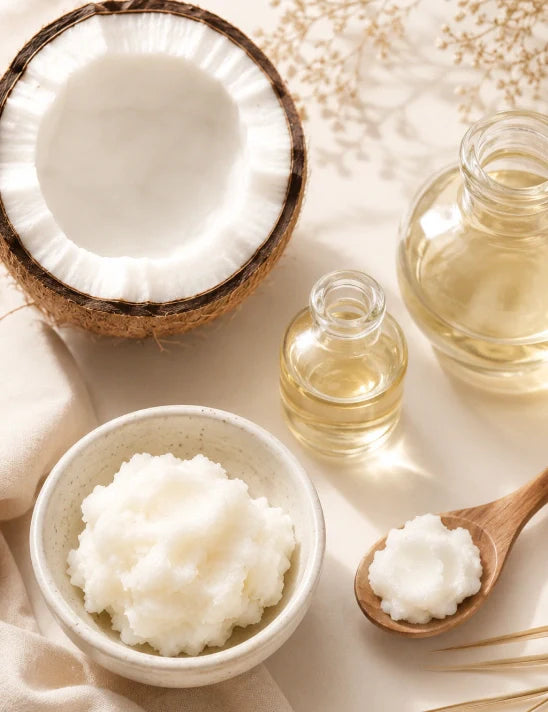
The core job of your routine is to support the hydro-lipid barrier, the protective seal that helps keep moisture in and irritants out. Cold-pressed plant oils like jojoba can mimic the skin’s natural sebum and reinforce that barrier with omega fatty acids without clogging pores or disrupting skin pH.
Cleanse without stripping
Cleansing should remove sunscreen, makeup, sweat, and daily buildup. It should not leave your face squeaky, tight, or shiny in that dry way that says your skin has been overwashed.
For many sensitive skin types, an oil cleanser or a very mild non-foaming cleanser works better than a strong gel or lathering wash. The point is to lift what doesn’t belong on the skin while leaving your own protective oils as undisturbed as possible.
Good signs after cleansing:
- Skin feels comfortable: Not tight, hot, or itchy.
- Redness stays stable: Cleansing shouldn’t create a flare.
- You don’t rush for moisturizer: Your face shouldn’t feel exposed.
Hydrate in layers your skin can tolerate
Hydration and moisture aren’t exactly the same. Hydration is water. Moisture is what helps keep that water from escaping.
Sensitive skin often does well when you apply a simple water-based layer first, then seal it with a compatible oil or cream. You don’t need a stack of serums. You need one or two layers that your skin doesn’t fight.
Protect the barrier every day
The barrier is your skin’s front door. When it’s healthy, irritants have a harder time getting in. When it’s worn down, everything can feel loud. Wind, heat, cleanser, fragrance, even tap water.
That’s why barrier-first care matters so much.
- Choose lukewarm water: Hot water can feel relaxing, but reactive skin often dislikes it.
- Pat, don’t rub: Towels can create unnecessary friction.
- Use oils strategically: A few drops on damp skin can help hold comfort in place.
If your routine leaves your skin “fresh” but slightly stingy, it’s not gentle enough.
Your Sensitive Skin Ingredient Guide
Ingredient labels can feel like a language test when your skin is already stressed. The easiest way to make decisions is to separate ingredients into two buckets. Green light means generally supportive and simple. Yellow light means proceed carefully, patch test, and don’t assume “natural” equals safe.
Some ingredients have better support for sensitive skin than others. According to Cleveland Clinic’s guide to natural skin care, ceramides help replenish lipids, niacinamide can help reduce inflammation, and pure, fragrance-free plant oils avoid primary allergen triggers such as essential oil fragrances and synthetic aromatics.
Green light ingredients
These tend to make the most sense for natural skincare for sensitive skin because they support the barrier or reduce unnecessary exposure to triggers.
| Natural Ingredients for Sensitive Skin | Green Light (Generally Safe & Calming) | Yellow Light (Use With Caution & Patch Test) |
|---|---|---|
| Oils and hydrators | Jojoba oil, argan oil, fragrance-free rosewater, ceramides, niacinamide | Essential oil blends, heavily fragranced floral oils, citrus oils |
| Texture support | Simple squalane-based or oil-based moisture layers | Scrubs with walnut shell powder or rough particles |
| Soothing choices | Fragrance-free, single-ingredient plant oils | Multi-extract botanical cocktails |
How to think about the safe list
Jojoba oil
Jojoba is one of the most approachable oils for reactive skin because it behaves in a skin-friendly way. It’s often described as biomimetic, meaning it resembles the skin’s own sebum. That can make it feel more natural on the skin and less heavy than richer oils.
Use it when your skin feels tight after cleansing or when creams seem to sting.
Argan oil
Argan oil can be a good fit when your skin needs softness and a little more cushion. It works well as a finishing layer over damp skin, especially in dry weather or indoor heating.
Rosewater
A simple, fragrance-free rosewater can add a light hydration step before oil. The keyword there is simple. If a rose product contains perfume, extra essential oils, or a long list of fragrant plant additives, it no longer belongs in the same category.
Ceramides and niacinamide
These are not trendy extras for sensitive skin. They’re practical. Ceramides help rebuild the mortar between your skin cells. Niacinamide can support calmer-looking skin when used in a formula your skin tolerates well.
One helpful reference if you’re comparing oils specifically is this guide to the best oils for sensitive skin.
Yellow light ingredients
These aren’t automatic no’s for every person. They’re ingredients that require respect.
- Lavender and tea tree essential oils: Commonly described as soothing, but often too stimulating for reactive faces.
- Peppermint and eucalyptus: Cooling can feel calming at first, but many sensitive skin types read that sensation as irritation.
- Citrus extracts and citrus oils: These can be sharp, fragrant, and more reactive than people expect.
- Physical exfoliants: Rough grains, shells, and abrasive powders can create micro-irritation.
- Complicated herbal blends: More plants mean more variables.
People often get mixed messages. You may read glowing advice about essential oils for eczema, but if your skin is reactive, I’d still approach essential oils carefully and prioritize patch testing over marketing claims or anecdotal praise.
A label-reading shortcut
If you tend to freeze in the skincare aisle, try this quick screen:
- Short ingredient list: Usually easier to evaluate.
- No added fragrance: Better for reactive skin.
- No essential oil blend near the top: Lower chance of scent-related irritation.
- One clear purpose: Hydrate, seal, soothe, or cleanse. Not all four with twenty botanicals.
The best ingredient list for sensitive skin often looks almost boring. That’s usually a good sign.
Building Your Minimalist Natural Routine
A gentle routine doesn’t need to be dramatic to work. In fact, simple often works better for reactive skin because every extra step is another chance for friction, over-cleansing, or ingredient overload.
That idea has clinical support. In a 2025 clinical trial, daily application of jojoba oil strengthened the skin barrier by 22% as measured by Trans-Epidermal Water Loss in subjects with sensitive skin, outperforming more complex serums.

A simple morning routine
Morning skin usually needs light support, not a reset.
-
Rinse or cleanse lightly
If your skin is dry or calm, a lukewarm water rinse may be enough. If you wake up oily or used a heavy overnight product, choose a very gentle cleanser. -
Apply a hydrating mist or toner
A simple rosewater can add light hydration before oils or cream. -
Seal with a few drops of oil
Press, don’t rub. Jojoba works well for many people because it feels light and skin-like. If you run drier, argan may feel more comforting. -
Finish with sun protection if you use it
Sensitive skin often prefers a small number of layers, so let each step settle before the next.
A simple evening routine
Evening is the time to remove the day without picking a fight with your barrier.
Option one for very reactive skin
- Use a gentle oil cleanse or mild cleanser
- Mist damp skin lightly
- Press in a few drops of jojoba or argan oil
- Stop there
Option two for dry, sensitive skin
- Cleanse gently
- Apply a simple hydrating layer
- Add a barrier-supportive cream if you already know your skin tolerates it
- Finish with oil on the driest areas
Multi-purpose products make this easier
A minimalist routine works best when one product can do more than one job. Jojoba can cleanse lightly, soften, and seal. Rosewater can refresh skin in the morning and support damp-skin application at night. Argan can stand in for a night cream when your skin wants softness without a long formula.
One option in that category is Ella & Eden Organic Jojoba Oil, a single-ingredient oil that can be used to soften skin after cleansing or as a simple final step on damp skin.
When less is more
Your skin might benefit from a shorter routine if you notice:
- Persistent stinging: Even when products are labeled gentle
- Random flare-ups: With no obvious cause
- Texture overload: Too many serums, essences, masks, and spot treatments
- A cycle of over-correcting: Dryness leads to heavy layering, then congestion, then stronger cleansing
If your skin calms down when you skip half your routine, that’s useful information. Listen to it.
Essential Practices for Happy Skin
The most underrated skincare skill for sensitive skin is not choosing products. It’s testing them slowly enough to learn what your skin is saying.
People often treat patch testing like a formality. For reactive skin, it’s protection. It can spare you from turning a small concern into a full-face setback.

How to patch test properly
A patch test only helps if you do it in a controlled way.
-
Choose a small area
The side of the neck, jawline, or inner arm works well. -
Apply a small amount
Use the product exactly as you plan to use it. Don’t dilute it unless that’s part of normal use. -
Leave everything else stable
Don’t test a new cleanser, mist, and oil at the same time. -
Watch for early signs
Burning, itching, heat, tiny bumps, or unusual tightness all count. -
Move slowly before full-face use
If the small test area stays calm, try one limited facial area before applying everywhere.
Introduce one product at a time
This sounds slow because it is slow. That’s the point.
If you change several things at once and your skin reacts, you learn nothing. You’re left guessing whether the problem was the cleanser, the oil, the toner, or the combination.
A slower approach gives you answers:
- One new product at a time: Easier to identify what works.
- Keep your base routine steady: Your skin needs a stable background.
- Take notes if needed: Sensitive skin patterns are easier to spot when written down.
If fragrance has been a recurring issue for you, this article on fragrance-free skincare for sensitive skin can help you sharpen your label-reading habits.
Irritation or purging
Sensitive skin often gets told to “push through” reactions. I don’t recommend that unless a clinician has given you a reason to expect a temporary adjustment.
In everyday skincare language, irritation usually looks like burning, redness, itching, warmth, or a rashy texture. Purging is a term people often use loosely, and many reactions blamed on purging are really irritation.
Stop using a product if your skin feels inflamed, hot, or progressively more uncomfortable. Calm skin should feel safer with use, not worse.
What to do if your skin reacts
Go back to basics. Use the fewest products possible. Think gentle cleanse, simple moisture, no scrubs, no strong actives, and no experiments while the skin settles.
When in doubt, boring is healing.
Frequently Asked Questions About Natural Skincare
Can I use facial oils if I’m acne-prone and sensitive
Yes, many people can, but the type of oil matters. Sensitive, acne-prone skin usually does better with lighter, simpler oils and a very restrained hand. Start with a few drops on damp skin rather than coating the face.
Pay attention to how your skin behaves over time. If your skin feels softer and calmer without clogged areas increasing, that’s a good sign. If bumps rise quickly after use, the formula, amount, or frequency may not suit you.
How do I combine a simple oil routine with retinoids or vitamin C
Keep the rest of your routine quiet. If you use a strong active, don’t surround it with fragrant mists, exfoliating acids, and essential oil serums. Sensitive skin usually tolerates actives better when everything around them is plain and supportive.
A practical approach is to use your active on dry skin, then follow with a simple, non-fragranced moisture step once it has settled. On off nights, return to your minimalist routine. That rhythm gives your skin recovery time.
Are single-ingredient oils enough for anti-aging
They can support skin beautifully, especially by reducing dryness and helping the barrier stay comfortable. That can make skin look smoother, less flaky, and more settled. But oils are support products, not magic shortcuts.
If your main goal is healthy-looking skin over time, consistency matters more than complexity. A simple routine you can keep using without irritation often serves sensitive skin better than a “high-performance” routine that causes repeated setbacks.
What if every product seems to sting
Assume your barrier is overwhelmed. Strip your routine back to the bare minimum and avoid adding “fixing” products in a panic. That often makes things worse.
Focus on comfort. Use lukewarm water, minimal cleansing, and one simple moisturizing step you already know your skin tolerates. If even that burns, it may be time to pause experimentation and check in with a dermatologist.
Do I need toner if I’m using oils
Not always. Toner is optional. Some sensitive skin types love a simple hydrating mist before oil because it helps the oil spread lightly and seal in water. Others do better skipping that step entirely.
Your skin doesn’t need a product in every category. It needs a routine that leaves it calm.
Is fragrance-free the same as unscented
Not necessarily. Fragrance-free usually means no fragrance ingredients were added. Unscented can still mean masking ingredients were used to cover odor. For reactive skin, read the full label whenever possible rather than relying only on the front of the package.
If you want a simpler starting point for natural skincare for sensitive skin, explore Ella & Eden for single-ingredient oils and straightforward routines built around fewer variables, clear labeling, and fragrance-free options that can make troubleshooting much easier.