Oil Black Seed
A friend once brought me a tiny bottle of black seed oil after a winter of dry cheeks and a moody scalp. She didn't call it a miracle. She just said, “Use a little, use it gently, and let it support your routine.”
An Ancient Treasure for Modern Beauty
Black seed oil has the kind of history that makes people curious before they even open the bottle. It comes from Nigella sativa, and its medicinal use has been documented for over 2,000 years, which gives it an unusual place in beauty and wellness. It isn't just an old folk ingredient that recently got repackaged for social media. It has a long record that stretches from traditional use into modern supplement research.
That long history matters because it changes how we should think about oil black seed in a modern routine. It's not best understood as a cure-all, and it's not just another basic face oil either. It sits somewhere in the middle. Familiar enough to feel grounded, potent enough to deserve respect.
Why it still appeals today
Women building minimalist routines often want products that do more than one job. They want something simple for dry patches, scalp care, and post-shower body moisture without a crowded shelf or a formula loaded with fragrance. Black seed oil fits that instinct well because it has always been used as a practical, everyday support ingredient.
Here's where readers often get confused. Ancient use does not automatically mean every claim attached to it is true. A long history tells us people kept coming back to it. It doesn't mean it replaces careful formulation, patch testing, or standard medical care.
Black seed oil makes the most sense when you treat it like a supportive tool, not a promise in a bottle.
A better way to think about it
If you've ever used jojoba for balance or castor oil for targeted richness, black seed oil belongs in that same conversation. But it brings its own personality. It feels more active, more herbal, and a bit more purposeful.
A grounded beauty approach looks like this:
- Use it for support: Think calming, softening, and scalp comfort.
- Keep expectations realistic: It may help your routine work better, but it won't solve every skin or hair concern on its own.
- Stay consistent: Gentle, repeated use usually tells you more than one dramatic application.
- Lead with safety: Potent oils deserve slower introductions, especially if your skin is reactive.
That's the sweet spot with black seed oil. Ancient roots, modern interest, simple use.
What Is Black Seed Oil Exactly
Black seed oil is pressed from the seeds of Nigella sativa, a flowering herb in the buttercup family. If you've seen the seeds themselves, they're small, dark, and angular. Once pressed, the oil has a rich golden-to-deep amber look and a scent that's earthy, spicy, and a little peppery.
What makes it different from a plain carrier oil is its active plant chemistry.

The part that does the heavy lifting
The main compound people talk about in black seed oil is thymoquinone, often shortened to TQ. Reviews identify TQ as the oil's most abundant volatile component and the primary pharmacological driver behind many of its reported antioxidant, anti-inflammatory, antimicrobial, and analgesic effects, according to the review on Nigella sativa and thymoquinone.
A simple way to picture it is this. If the oil is the vehicle, thymoquinone is the engine.
That analogy helps because people often assume all plant oils work the same way. They don't. Some mainly soften and seal in moisture. Black seed oil can do that too, but much of the interest around it comes from its volatile compounds, especially TQ.
Why extraction matters
Because those active compounds matter, the way the oil is made matters too. Gentle extraction helps preserve what makes the oil distinctive. When an oil is heavily processed, refined, or exposed to rough handling, you may still get an oil, but not necessarily the same character or benefit profile people are looking for.
That's also why black seed oil can feel different on the skin from neutral oils like squalane or sunflower. It may smell stronger. It may feel more stimulating. Sensitive skin users sometimes mistake that for “better,” but stronger isn't always better. It just means the oil has a more pronounced profile.
Practical rule: If you want the benefits associated with black seed oil, choose a version that respects the seed's active compounds, not just its fat content.
What this means in daily use
For a clean beauty routine, this gives black seed oil a clear role:
- For simple nourishment: It can act like a facial or scalp oil.
- For targeted support: Its active profile makes it appealing for blemish-prone or easily irritated areas.
- For minimalist routines: One bottle can serve face, scalp, and body, if your skin tolerates it well.
If you remember one thing, remember this. Black seed oil isn't special just because it's an oil. It's special because the seed contains compounds that make the oil more biologically interesting than many basic moisturizers.
Black Seed Oil Benefits for Skin and Hair
The most useful way to talk about black seed oil benefits is to stay close to real-life beauty needs. The central question isn't about its overall capabilities but whether it can help calm a breakout-prone face, soften a flaky scalp, or add comfort to a stripped skin barrier.
For those everyday questions, black seed oil is promising, but it's still best framed as a supportive ingredient. Cleveland Clinic notes that evidence isn't yet strong for any single condition, though small studies suggest possible adjunctive benefit for concerns such as acne and wound healing in this overview of black seed oil's possible benefits and limits.

What it may do for skin
If your skin is reactive, the first thing you notice about a good oil isn't flash. It's relief.
- For visible redness and discomfort: Black seed oil is often used when skin feels irritated or unsettled. Because its active profile is associated with anti-inflammatory activity, many people use it as a calming layer rather than a glossy finishing oil.
- For blemish-prone areas: Small studies suggest possible benefit for acne as a supportive measure. That doesn't mean black seed oil replaces a dermatologist's treatment plan, but it may fit alongside a gentle routine built around barrier support.
- For dry, tight skin: Oils help reduce moisture loss by forming a light protective layer. Black seed oil can be especially helpful when skin feels both dry and fussy at the same time.
- For post-mark care: Some people like richer botanical oils when skin is recovering from past breakouts or rough texture. Think of black seed oil as a comfort step, not a shortcut.
If your routine already includes other botanical oils, it can help to compare roles. For example, if you're also interested in a natural oil to hydrate and firm skin, pomegranate seed oil is often discussed for a different texture and feel. Black seed oil tends to appeal more to people who want a stronger herbal profile and a more targeted, supportive step.
What it may do for hair and scalp
Hair care is where oil black seed often feels especially practical. You don't need a complicated method to use it well.
- A dry scalp may feel more comfortable: A few drops massaged into the scalp can help soften roughness and support a healthier-feeling scalp environment.
- Hair can look smoother: When used lightly on lengths or ends, it can reduce that parched, fluffy look that makes hair seem dull.
- Breakage may look less obvious: Oil won't change your hair type, but better lubrication can help strands feel less brittle during styling and wash days.
If your scalp is the first place that gets cranky when weather changes, black seed oil may work best as a small, steady ritual instead of an occasional heavy treatment.
Who tends to like it most
Black seed oil often works best for:
- Sensitive minimalists: People who want fewer products with more than one use.
- Combination or blemish-prone skin types: Especially those who still need moisture.
- Natural hair routines: Anyone looking for scalp care and shine without a heavily perfumed product.
If acne is one of your main concerns, this guide to the best oils for acne-prone skin can help you compare black seed oil with other options more thoughtfully.
How to Use Black Seed Oil in Your Routine
The best routines with black seed oil are simple. You don't need ten steps, and you don't need to use a lot. In fact, using too much too soon is one of the easiest ways to decide an oil “isn't for you” when the real issue is that your skin or scalp needed a gentler start.

Start with a patch test
Before it goes anywhere near your full face or scalp, patch test it. Apply a small amount to a discreet area and wait to see how your skin responds. This matters even more with oils that have a stronger natural profile.
If you're new to facial oils in general, it also helps to understand what a carrier oil does in skincare. That makes it easier to decide whether to use black seed oil on its own or blended with a gentler base oil.
Three easy ways to use it
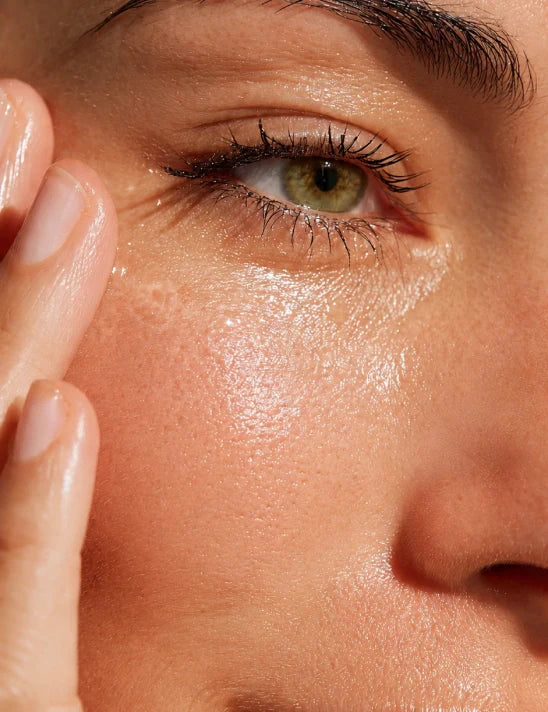
As a calming face oil
Use this at night if your skin gets dry, looks stressed, or feels rough after cleansing.
- Cleanse and leave your skin slightly damp.
- Warm a small amount of black seed oil between your palms.
- Press it onto the cheeks, forehead, and along the jaw instead of rubbing aggressively.
- Leave the breakout-prone center of the face lighter if you know that area gets congested easily.
This works well because damp skin helps the oil spread more evenly, so you're less likely to overapply.
As a scalp-softening treatment
This is one of the easiest ways to use oil black seed without making your hair routine complicated.
- Before washing: Massage a small amount into the scalp with your fingertips.
- Let it sit briefly: Give it a little time before shampooing.
- Wash thoroughly: A double cleanse may help if your hair is fine.
People often make the mistake of coating the entire scalp and hairline heavily. Start lighter than you think you need.
A thin layer used regularly usually beats a heavy layer used once in a while.
As a body oil for rough spots
Black seed oil can also be used on areas that tend to stay dry, like elbows, knees, and lower legs.
Try this after a shower:
| Area | How to use it | Best tip |
|---|---|---|
| Elbows | Smooth on damp skin | Focus on texture, not shine |
| Knees | Press in after toweling off | Reapply to stubborn dry patches |
| Legs | Use a light layer | Blend well so it doesn't sit on top |
Small habits that make a difference
A few practical adjustments can make black seed oil feel much better in everyday use:
- Use less than you think: Potent oils can overwhelm skin when applied heavily.
- Apply on damp skin: This improves spread and comfort.
- Keep it targeted: You don't need to use it everywhere just because you can.
- Avoid broken skin at first: Let your skin barrier settle before experimenting.
The goal isn't to build a dramatic ritual. It's to create a routine you'll keep.
Choosing a High-Quality Black Seed Oil
Two bottles can both say “black seed oil” and still be very different. That's frustrating, especially if you're trying to keep your beauty routine clean and uncomplicated. With this particular oil, quality affects not only texture and scent, but also whether the oil still reflects the seed's active profile.

What to look for first
Start with the label and packaging. A good product usually tells you a lot before you even try it.
- Cold-pressed: This is one of the most important quality signals. Gentle pressing helps preserve delicate compounds better than harsher processing methods. If you want a deeper explanation, this guide on cold-pressed oil benefits is useful background.
- Unrefined: Unrefined oil keeps more of its natural scent, color, and character. That stronger herbal smell can indicate that the oil hasn't been stripped down too aggressively.
- Single ingredient: Look for plain Nigella sativa seed oil if you want to evaluate how your skin responds to the oil itself.
The signs of a cleaner product
The ingredient list should be short. Ideally, it's just one ingredient. If you're trying to avoid unnecessary exposure, also pay attention to how the product is stored and described.
A quick shopping checklist helps:
| What to check | Why it matters |
|---|---|
| Dark glass bottle | Helps protect the oil from light |
| Transparent sourcing | Shows the brand takes quality seriously |
| No fillers | Lets you know what you're actually using |
| Hexane-free positioning | Supports a cleaner standard for solvent-conscious shoppers |
| Organic preference | Useful if pesticide avoidance matters to you |
What people often misunderstand
A stronger smell does not mean the oil has gone bad. Black seed oil naturally has a bold scent. What matters more is whether it smells rancid, stale, or oddly flat.
Price can be another point of confusion. A cheaper bottle may look appealing, but if it's diluted, heavily refined, or poorly stored, it may not give you the experience you expected. With black seed oil, paying attention to sourcing and processing is usually smarter than chasing the lowest cost.
Buy the bottle that tells you how it was made, not just what trendy ingredient is inside.
One more practical note. If you want oil black seed for both skin and scalp use, choose the highest quality version you can tolerate and use consistently. A well-made, simple oil usually performs better than a complicated formula that looks impressive but gives you no clarity about what your skin is reacting to.
Important Safety Considerations Before You Start
Black seed oil can be a thoughtful addition to a minimalist routine, but safety comes first. That's especially true because many beauty articles focus on glow and softness while barely mentioning who should avoid it.
Banner Health and Cleveland Clinic both flag important cautions. Key guidance includes avoiding black seed oil during pregnancy, before surgery, and when using blood thinners or blood pressure medications because of its potential anticoagulant and blood-pressure-lowering effects.
The simplest safety rules
Keep these front of mind before you start:
- Patch test first: Even if you usually tolerate oils well.
- Don't start on irritated or broken skin: Let your skin calm down first.
- Pause before procedures: If surgery is coming up, this is not the time to experiment.
- Check medication conflicts: If you take blood thinners or blood pressure medication, speak with a qualified healthcare professional before using it, especially internally.
- Avoid during pregnancy and breastfeeding: When trusted medical sources say to skip an ingredient, it's wise to skip it.
When less is better
Topical use may sound harmless because it's “just an oil,” but that mindset can lead people to ignore early signs that their skin doesn't love it. If you notice burning, lingering redness, or worsening irritation, stop using it.
Your skin doesn't need you to prove a product can work. It needs you to notice when it doesn't.
Black seed oil is at its best when used carefully, plainly, and with realistic expectations. That combination keeps it useful and keeps your routine calm.
If you want clean, multi-purpose oils that keep routines simple, Ella & Eden is a lovely place to explore. Their approach centers on cold-pressed, unrefined essentials for skin, hair, and everyday self-care, with the kind of ingredient transparency that makes minimalist beauty feel easier to trust.