How to Cleanse Your Scalp: A Complete Guide for 2026
Somewhere between wash day and your next ponytail, your scalp may have started sending small signals. Maybe your roots look oily by noon, but your ends still feel dry. Maybe your hair has lost bounce. Maybe there is a faint itch that keeps returning, even when the rest of your routine looks “healthy” on paper.
That confusion is common. Many people care for their strands but skip the skin underneath them.
If you want to learn how to cleanse your scalp in a way that feels gentle, effective, and realistic to keep up with, the answer is not just “use a stronger shampoo.” A balanced ritual usually works better. You prepare the scalp, loosen what is stuck there, cleanse with intention, then add back light nourishment so the skin barrier stays comfortable.
This is especially helpful if you love minimalist beauty. A few well-chosen tools, a patient technique, and simple oils can do a lot.
Is Your Scalp Trying to Tell You Something
A familiar routine goes like this. You wash your hair, it feels fresh for a day, and then the cycle starts again. Roots flatten. There is a waxy feeling near the crown. Dry shampoo helps for a few hours, but your scalp never quite feels clean.
That does not always mean your hair is “difficult.” It often means your scalp is overloaded.

The signs are usually subtle at first
An unhappy scalp does not always show up as dramatic flaking. Sometimes it looks like:
- Greasy roots soon after washing
- Hair that feels heavy or coated
- Itchiness that comes and goes
- Dull lengths even after conditioning
- A scalp smell that returns quickly after sweating
- Less volume at the root
These clues make sense when you think about what sits on the scalp all week. Sebum, dead skin cells, sweat, dirt, and styling products can collect around the follicle opening. The CDC notes that this buildup can clog hair follicles, leading to greasy hair and increased infection risk. The same guidance explains that many people do well washing every 3 to 5 days, that weekly diluted apple cider vinegar can help balance pH, and that gentle daily massage can increase circulation to follicles by 20 to 30%.
Why the scalp matters so much
Your scalp is skin. It has oil glands, a protective barrier, and its own microbiome. When that environment gets congested, hair can start behaving in ways that feel frustrating and contradictory.
You may notice oiliness and dryness at the same time. You may wash more often, but get less relief. You may add richer products to soothe irritation, only to create more buildup.
That is why scalp cleansing is not a luxury step. It is basic care.
Key takeaway: Clean hair starts with a clean scalp, but a healthy scalp also needs gentleness. The goal is removal without over-stripping.
A simple example
If you use leave-in creams, edge products, dry shampoo, or heavy oils near the roots, think of your scalp like a kitchen counter after several days of cooking. Wiping once with water will not do much. You need a method that first loosens residue, then lifts it away.
That is the idea behind a good scalp ritual. Not harsher. Just smarter.
Understanding Your Scalp's Unique Needs
Many scalp routines fail for one reason. The method does not match the scalp type.
A person with oily roots and fine hair usually needs a different rhythm than someone with a tight, coily texture and a scalp that feels dry after cleansing. The more honest you are about your own pattern, the easier it becomes to build a routine that feels calm instead of corrective.
A quick self-check
Start with how your scalp feels within the first day or two after washing.
- Oily scalp Your roots look shiny or separate quickly. Hair can feel flat near the scalp even when the lengths are clean.
- Dry scalp The skin feels tight, rough, or flaky, especially after cleansing. Hair may not look greasy, but the scalp feels uncomfortable.
- Sensitive scalp You react easily to fragrance, scrubs, or stronger cleansers. Redness, stinging, or tenderness can happen fast.
- Combination scalp You have oilier areas, often around the crown or hairline, but other parts feel dry or calm. This is very common.
Pay attention to your texture too
Scalp type and hair texture are not the same thing.
You can have an oily scalp with curly hair. You can have a dry scalp with straight hair. You can also have coily hair that holds onto products longer at the root, which changes how residue builds up and how often cleansing feels comfortable.
That is why rigid rules rarely work.
Choosing Your Ella & Eden Oil by Scalp Type
| Scalp Type | Key Characteristics | Recommended Pre-Cleanse Oil | Recommended Post-Cleanse Oil |
|---|---|---|---|
| Oily | Roots get slick quickly, buildup forms fast, volume drops at the crown | Jojoba oil | Rosemary oil, used sparingly |
| Dry | Tight feeling, visible dry flakes, scalp feels uncomfortable after washing | Jojoba oil | Argan oil |
| Sensitive | Easily irritated by fragrance, strong exfoliants, or harsh washing | Jojoba oil | Jojoba oil |
| Combination | Oily in some zones, dry in others, mixed scalp signals | Jojoba oil on oily areas, castor oil only on drier sections if needed | Argan oil on dry zones, rosemary oil only where buildup tends to return |
Why these pairings make sense
Jojoba oil is a useful pre-cleanse option because it is lightweight and works well for many scalp types. It helps soften residue without creating a thick coating.
Argan oil suits post-cleanse care when the scalp feels dry or exposed. It adds slip and comfort without feeling overly heavy.
Rosemary oil is best used carefully and diluted in a broader routine, especially if your scalp tends to feel active and oily rather than fragile.
Castor oil can be helpful for drier textures, but it is richer. Not everyone wants that near the roots.
If you have natural or coily hair
People with curls and coils often get mixed advice. One guide says clarify more. Another says avoid washing too often. Both can be true depending on how your scalp feels and how much product you use.
If your hair is dense or coily, residue may stay close to the scalp for longer. At the same time, harsh cleansing can leave the scalp and hair feeling stripped. In that case, preparation matters more than force.
Practical tip: If your scalp feels dirty but your hair feels dry, do not assume you need a harsher shampoo. You may just need better pre-cleanse prep and better product placement.
Two questions that clarify a lot
Ask yourself these before changing your routine:
- Do I feel oily, dry, or irritated first? The first signal usually tells you more than the later one.
- What am I putting on my roots between wash days? Gels, dry shampoo, creams, pomades, and edge control all change the kind of cleanse you need.
Once you know your pattern, cleansing becomes less about guessing and more about care.
The Pre-Cleanse Ritual for Effective Buildup Removal
Many individuals start cleansing too late. They jump straight to shampoo while the scalp is still coated with residue that has not been loosened first.
A better ritual starts before water. The aim is simple. Soften buildup, lift it gently, and make the wash easier.

Start with light physical loosening
Use clean fingertips or a soft scalp brush on dry hair before washing. Work in small circles. Keep pressure gentle.
You are not trying to scrub the scalp raw. You are lifting loose skin, shifting residue, and helping oil move so cleanser can reach the skin more evenly.
Try this sequence:
- Part the hair in sections so you can reach the scalp.
- Massage with the pads of your fingers for a few minutes.
- Focus on buildup zones like the crown, nape, and around the hairline.
- Stop if the scalp feels hot or tender.
This step often helps people who say, “My shampoo never seems to touch my scalp.”
Use oil to dissolve what shampoo struggles with
Shampoo removes. Oil loosens.
A small amount of single-ingredient oil can soften sticky product residue, hardened sebum, and dry patches so they release more easily in the wash. This is one reason minimalist oils work well in scalp rituals. They do not need to replace cleanser. They prepare the skin for it.
Apply a few drops section by section, then massage. Leave it on briefly before washing.
For many people, these oils work well:
- Jojoba oil for lightweight softening
- Castor oil in very small amounts for drier textures
- Coconut oil on non-oily hair types when buildup feels stubborn
If you want a deeper look at texture and oil choice, this guide to best carrier oils for hair is a useful companion.
How long should pre-cleanse oil stay on
Short and simple is usually enough.
For non-oily hair types, oil treatments left on for 10 to 15 minutes can help loosen buildup effectively, based on the CDC-backed hygiene guidance discussed earlier. If your scalp gets greasy easily, stay on the shorter end and use less product.
Natural hair needs a different kind of prep
This matters. Standard detox advice often assumes straighter or oilier hair patterns.
For natural hair textures, typical clarifying methods can be too harsh. One 2023 study found 68% of women with type 4 hair reported scalp irritation from typical detox routines, and pre-shampoo oiling with jojoba or castor oil reduced buildup by 45% without dryness.
That makes pre-pooing more than a nice extra. It is often the difference between a scalp that feels refreshed and one that feels stripped.
A gentle pre-poo method for coils and curls
If you wear twists, wash-and-gos, braid-outs, or protective styles, try this:
- Section first so the scalp is visible.
- Apply a small amount of oil to the scalp, not a heavy coating over the whole hair unless your lengths also need it.
- Massage lightly, then let the oil sit.
- Finger-detangle only if needed before washing.
- Cleanse the scalp thoroughly but keep friction low on the lengths.
People with coily hair often do better when cleansing feels deliberate, not rushed.
Tip for sensitive scalps: If scrubs feel too sharp or leave you stingy afterward, skip grit-based exfoliation and use oil plus massage instead.
When you want chemical exfoliation instead of a scrub
Some readers do better with a leave-on exfoliating approach rather than a physical scrub. If that sounds familiar, a helpful overview of a glycolic acid scalp treatment can show how acid-based exfoliation differs from manual exfoliation.
That option is not for everyone, especially if your scalp is very reactive. But it can be useful for people who deal with persistent product film and want a different path than sugar or salt scrubs.
One mention of a product option
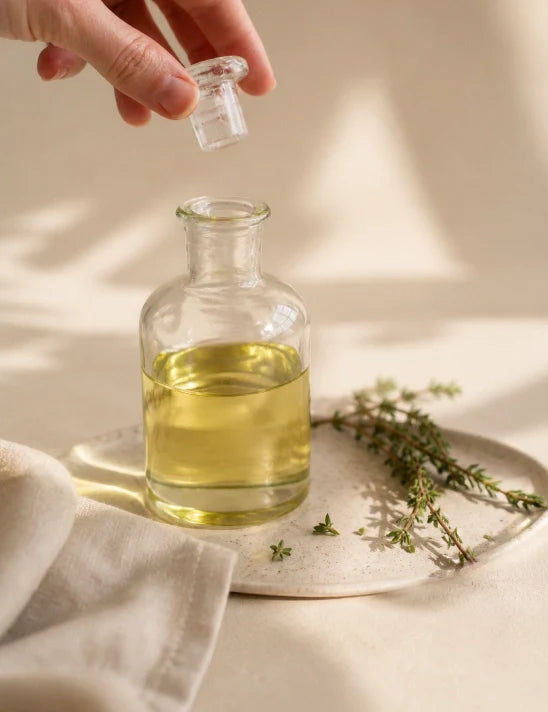
If you want to keep the ritual very simple, a single-ingredient pre-cleanse oil such as Ella & Eden Organic Jojoba Oil can be used to soften buildup before shampooing.
The important part is not the label. It is the restraint. Use enough to coat the scalp lightly, not enough to create another layer to wash out.
Your Step-by-Step Guide to the Ultimate Scalp Cleanse
Once buildup has been loosened, the wash itself becomes easier and much more effective. This is an area where technique matters more than quantity.
A lot of people use too much shampoo, rush the rinse, or scrub the lengths instead of the scalp. A cleaner result usually comes from patience, not force.

Step 1 wet the scalp fully
Let lukewarm water run through your scalp longer than you think you need to. Lift dense sections with your fingers.
If your hair is thick, curly, or long, partial wetting is one of the biggest reasons shampoo seems not to work. Water starts the cleansing process before product touches the skin.
Step 2 do the first cleanse for surface residue
Use a small amount of shampoo and place it on the scalp, not the ends. Spread it across the crown, sides, nape, and hairline.
Massage with fingertips in small circular motions. Not nails. Not scraping.
This first wash mostly handles sweat, light oil, and loosened product film.
Step 3 rinse completely
Do not rush this. Residual shampoo can leave the scalp feeling coated or irritated.
If you wear thick curls or a lot of hair, physically separate sections while rinsing. Water should reach the scalp from multiple angles.
Step 4 decide if you need a second cleanse
Many people benefit from a second, lighter shampoo. This is especially helpful if you use styling products regularly, go longer between washes, or did a pre-cleanse oil treatment.
The second cleanse usually creates a cleaner lather and reaches the skin more directly because the first layer of grime has already been removed.
Step 5 add targeted exfoliation only when needed
If your scalp deals with visible flaking or persistent residue, this is the stage for a scalp scrub or other exfoliating step. Keep it occasional and gentle.
A clinical study on a scalp regimen found that a standard shampoo wash followed by an exfoliating scalp scrub and a daily anti-inflammatory serum led to a 61.24% reduction in scalp flaking over 15 days (PMC clinical study on scalp cleansing regimen).
That result is a useful reminder. Consistent, layered care often works better than one aggressive wash.
Step 6 condition the hair, not the scalp
Most individuals do not need traditional conditioner on the scalp itself. Apply it from mid-lengths to ends unless your scalp is very dry and your formula is specifically meant for scalp use.
This keeps strands soft while reducing the chance of fresh buildup at the root.
A clean rinse matters as much as a good shampoo. If your roots still feel filmy when hair dries, the issue may be incomplete rinsing rather than the cleanser itself.
Step 7 finish with an apple cider vinegar rinse if your scalp likes it
A diluted apple cider vinegar rinse can be a useful finishing step when the scalp feels coated or the hair looks dull.
The CDC-based guidance above allows a simple ratio: 1 to 2 tablespoons of apple cider vinegar diluted in water for a clarifying rinse. Pour it over the scalp and hair after cleansing, let it sit briefly, then rinse well.
This can help balance pH without stripping essential oils. It also tends to leave the cuticle smoother, which many people experience as more shine and less roughness.
A repeatable wash day sequence
If you like having one routine to return to, use this:
- Dry massage or soft brush prep
- Light oil pre-cleanse
- Thorough wetting
- First shampoo
- Full rinse
- Second shampoo if needed
- Optional scalp exfoliation
- Condition mid-lengths and ends
- Optional diluted ACV rinse
- Gentle towel drying
What often confuses people
People usually wonder whether “double cleansing” is too much. It is not automatically too much.
If your first wash barely lathers and your scalp still feels coated, a second light cleanse can be more balanced than one harsh scrub. The point is to spread the work across steps so no single step has to be aggressive.
Post-Cleanse Care and Establishing a Routine
A scalp can be freshly cleaned and still feel unbalanced.
That is where many routines go off course. People clarify, enjoy the squeaky feeling for a few hours, and then spend the next several days wondering why the scalp feels tight, itchy, or strangely oilier than before.

Why post-cleanse care is not optional
Cleansing removes debris, but it can also leave the scalp more exposed. If you stop there, some scalps respond by feeling dry and reactive. Others seem to rebound with more oil.
A controlled study found that washing hair 5 to 6 times per week was the benchmark for peak scalp health and showed a 45% flake reduction compared with weekly washing. The same study also noted that over-washing without proper moisturizing can disrupt the skin barrier (PMC study on cleansing frequency).
That is the key tension. A clean scalp often likes regular washing, but the barrier still needs support.
What to do right after washing
On a damp scalp or along the hairline, use a very small amount of lightweight oil if your skin tends to feel dry after cleansing. Keep the application thin. You want comfort, not residue.
Good post-cleanse options often look like this:
- Argan oil when the scalp feels dry and the lengths need softness
- Jojoba oil when you want something closer to the skin’s natural feel
- Rosemary oil diluted into a broader routine when stimulation is your focus and your scalp tolerates it well
If dryness is your main concern, this guide on jojoba oil for dry scalp gives a practical way to think about lightweight moisture.
How often should you deep cleanse
There is no universal answer. Your wash frequency and your deep-cleanse frequency are different things.
A simple rhythm works well for many people:
| Scalp pattern | Suggested deep-cleanse rhythm |
|---|---|
| Oily or product-heavy | About weekly |
| Balanced scalp with light product use | About every few weeks |
| Dry or sensitive | Less often, with more emphasis on prep and post-cleanse comfort |
| Natural or coily hair with rich styling products | Based on buildup, but usually slower and more protected |
The point is not to chase a calendar. It is to notice when your scalp stops feeling fresh between washes.
Build a ritual you can keep
A sustainable routine usually includes:
- A regular wash rhythm that does not let buildup sit for too long
- A gentler deep-cleanse day when residue starts to linger
- A simple post-cleanse habit so the scalp does not swing from stripped to greasy
- Restraint with styling products at the root between washes
What “too much” looks like
If you are cleansing often and your scalp starts feeling hot, fragile, or shinier in a tight, uncomfortable way, pull back. If your lengths feel rough and your scalp suddenly becomes flaky, add more moisture support and reduce exfoliation.
Best routine test: Your scalp should feel clean, calm, and light for a reasonable stretch after washing. Not squeaky, not coated, not irritated.
A healthy routine often feels almost boring. That is a good sign. It means your scalp is no longer stuck in a cycle of buildup and overcorrection.
Troubleshooting Common Scalp Concerns
A lot of people assume a scalp problem means they need a stronger product. Often, they need a smarter adjustment.
That matters because structured scalp detox protocols can improve follicle health by 25 to 40%, and weekly exfoliating scrubs can clear 90% of daily pollutants when used correctly. The phrase “when used correctly” is doing a lot of work there.
I clarified but my scalp is still oily
The usual assumption is that the shampoo was too gentle.
Often, the underlying issue is one of these:
- You did not loosen buildup first, so cleanser skimmed over residue.
- You rinsed too quickly, leaving product behind.
- You keep applying heavy products close to the root between washes.
Try improving the pre-cleanse step and reducing root-area styling products for a wash cycle or two before changing cleansers.
My hair feels like straw after cleansing
This does not always mean cleansing was a mistake. It often means the wash was not followed by enough replenishment.
If your scalp and lengths both feel parched, scale back gritty exfoliation. Use less friction. Add a small amount of lightweight oil after washing, especially on damp hair and dry scalp zones.
For more support, this guide to natural remedies for dry scalp can help you think through simple adjustments.
My sensitive scalp became irritated
The common assumption is that any detox method should work if it is “natural.” That is not always true.
A sensitive scalp may react to:
- Scrubs that are too abrasive
- Essential oils used too strongly
- Long contact time with exfoliating products
- Over-massaging
In that case, switch to the mildest version of the ritual. Use oil pre-cleanse, a gentle shampoo, and minimal manipulation.
I still have flakes after a few washes
Not all flakes mean the same thing.
Some are dry, powdery, and linked to irritation. Some are oilier and cling to the scalp. Some may reflect a condition that needs medical advice rather than a DIY routine.
If flakes persist despite gentler cleansing and better rinsing, stop escalating. Simpler is usually safer while you assess what your scalp is doing.
Troubleshooting rule: Do not change five things at once. Adjust one variable, then watch your scalp for a few wash days.
My natural hair feels clean, but my curls feel weaker
This often happens when the scalp ritual is fine but the hair fiber is not getting enough protection. Cleanse the scalp thoroughly, but protect the lengths before and after with less friction and better moisture support.
A healthy scalp and healthy curls can exist together. You do not have to choose between them.
Frequently Asked Questions About Scalp Cleansing
Can I cleanse my scalp if my hair is color-treated
Yes, but keep the method gentle. Focus on the scalp, use lukewarm water, and avoid harsh scrubbing. Clarifying too aggressively can leave both scalp and color feeling stressed.
Is a scalp detox the same as a clarifying wash
Not quite. A clarifying wash usually refers to a stronger cleanse. A scalp detox is broader. It can include pre-cleanse oiling, massage, exfoliation, washing, and post-cleanse support.
How long does it take to notice a difference
Some people notice a lighter, fresher scalp after the first proper cleanse. More stubborn issues usually improve through consistency rather than one intense session.
Should I use a scalp scrub every wash day
Usually no. Scrubs are better as occasional tools, not default steps. If your scalp is sensitive or dry, use them even more selectively.
Is oiling the scalp always a good idea
No. It depends on scalp type, product buildup, and how much you apply. A light pre-cleanse oil can help many people, but heavy, frequent oiling without proper washing can leave residue behind.
If you want a simpler approach to scalp care, Ella & Eden focuses on single-ingredient oils that fit naturally into a minimalist ritual. Jojoba, argan, castor, and rosemary oils can each play a different role in preparing, cleansing, or comforting the scalp without turning your routine into a crowded shelf.