How to Use Argan Oil for Hair Skin and Nails
Using argan oil is beautifully simple. Just a few drops can work wonders, whether you're smoothing it over your face, taming the ends of your hair, or moisturizing your body. The key is to warm the oil in your palms first, then gently press it in. It's amazing how this one ingredient can take the place of several products on your shelf.
Your Quick Guide to Using Argan Oil
If you're new to argan oil, you're in for a treat. This stuff is called 'liquid gold' for a reason. Straight from the kernels of the Moroccan argan tree, it's loaded with Vitamin E and fatty acids that your skin and hair absolutely love. But to get all those incredible benefits without a greasy feel, you need to know how to use it right.
The secret really comes down to two things: the quality of your oil and how you apply it. I can't stress this enough—always look for 100% pure, cold-pressed argan oil. This means it hasn't been cooked to death, so all the good stuff is still intact and ready to work its magic. No fillers, no weird additives, just pure, potent oil.
This visual guide gives a great overview of the main ways you can use argan oil on your face, hair, and body.

As you can see, a little truly goes a long way, whether you're trying to hydrate your skin or get rid of frizz.
Getting Started with Argan Oil
The right amount of argan oil really depends on what you're using it for, but my golden rule is always to start small. You can always add more, but you can't take it away once it's on.
Pro Tip: For maximum absorption, apply argan oil to slightly damp skin or hair. This little trick helps trap moisture and makes the oil sink in so much better than if you apply it to a completely dry surface.
Here's a quick cheat sheet for how much to use:
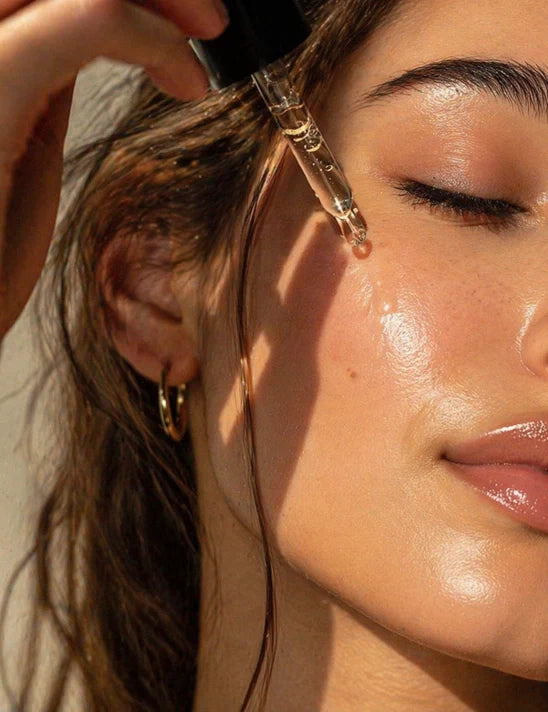
- For Your Face: Start with just 1-3 drops. Warm the oil between your palms and gently press it onto your clean face and neck.
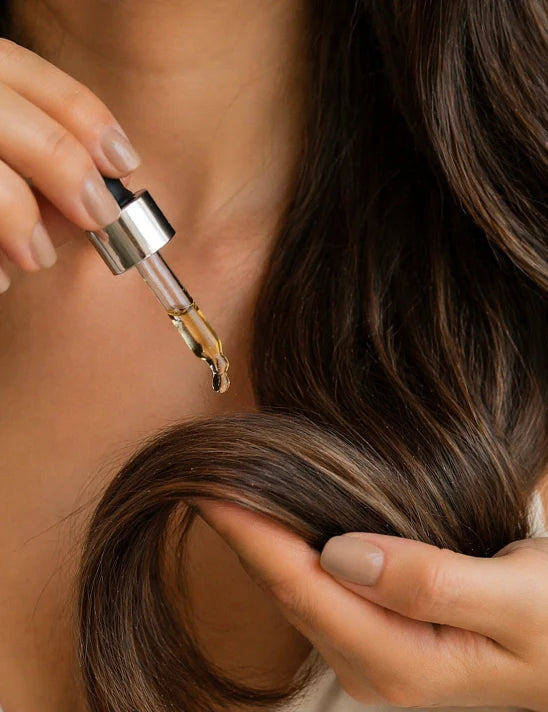
- For Your Hair: Use 2-5 drops, focusing on the mid-lengths and ends to tame flyaways and add a healthy-looking sheen.
- For Your Body: Be a bit more liberal here. A quarter-sized amount is usually perfect for massaging into dry spots like elbows, knees, and heels.
Think of this as your starting point. In the rest of this guide, we'll dive into more specific techniques to help you create simple yet effective routines.
Argan Oil Application at a Glance
For a quick reference, this table summarizes how much argan oil to use for different areas and how often you should apply it for the best results.
| Application Area | Recommended Amount | Best Frequency | Key Benefit |
|---|---|---|---|
| Face | 1-3 drops | Daily (AM or PM) | Deep hydration |
| Hair Ends | 2-5 drops | 2-3 times per week | Frizz control & shine |
| Scalp | 5-10 drops | Weekly treatment | Soothes dryness |
| Body | Quarter-sized amount per area | Daily, after showering | Locks in moisture |
| Nails | 1 drop per hand | Daily or as needed | Strengthens cuticles |
Keep this chart handy as you begin incorporating argan oil into your daily habits. You'll quickly get a feel for what your own skin and hair need.
Getting That Natural Glow with Argan Oil
When it comes to face care, argan oil is a true minimalist's best friend. It's one of those beautiful, simple ingredients that just works for almost everyone, even those with sensitive skin. It sinks in to deliver serious hydration without that heavy, pore-clogging feeling. The real magic, though, is all in the application.
For your daily dose of moisture, you only need 2-3 drops. Seriously, a little goes a long way. Warm the oil between your clean palms first—this is key. Then, instead of rubbing it in, gently press and pat it onto your face and neck. This simple 'press and pat' motion is so much better for absorption and avoids tugging on your skin.
It’s this kind of pure, effective performance that has everyone talking. In fact, the market for argan oil is expected to climb to USD 888.21 million by 2032. Why? Because it delivers. Its tocopherols (a form of vitamin E) are clinically shown to improve skin elasticity, and just those few drops can lead to 90% better hydration retention than many synthetic options. If you're curious, you can explore more data on the argan oil market to see just how fast its popularity is growing.
How to Fit Argan Oil Into Your Routine
Wondering where argan oil fits in with your other products? It’s actually pretty simple. The golden rule of skincare layering is to go from the thinnest to the thickest consistency.
Here’s what that looks like in practice:
- First, cleanse: Always start with a fresh, clean face.
- Next, your water-based products: This is the time for any toner or hydrating serum you use.
- Then, Argan Oil: Gently press the oil into your skin. This acts like a beautiful, nourishing seal, locking in all the goodness from your serum.
- Finally, Sunscreen (in the morning): Always finish with your SPF. Just give the oil a minute or two to fully absorb before applying your sunscreen to make sure it goes on smoothly.
Following this order helps each product do its job without getting blocked by a heavier layer.
For anyone with particularly thirsty skin, argan oil makes a phenomenal overnight treatment. Use a slightly more generous amount—maybe 4-5 drops—as the very last step in your PM routine. You’ll wake up with skin that feels noticeably plump, soft, and refreshed.
Making It Work for Your Specific Skin Type
One of the greatest things about argan oil is how well it adapts. It’s surprisingly brilliant for oily and acne-prone skin because it helps balance sebum production. It essentially tells your skin, "Hey, you're hydrated, you don't need to produce all that extra oil," which can lead to less shine and calmer skin over time.
If your skin is on the dry or mature side, its high concentration of fatty acids and vitamin E is exactly what you need. It helps repair your skin's natural barrier and can soften the look of fine lines.
You can even use it as a gentle, effective makeup remover. Just massage a few drops onto your dry face to melt away foundation and even stubborn mascara, then wipe it all off with a warm, damp cloth before you go in with your regular cleanser. It’s a fantastic first step in a double-cleanse routine.
My Favorite DIY Radiance Mask When my skin needs a little extra love, I whip up this simple mask. Just mix one teaspoon of raw honey with about five drops of argan oil. Apply it to your clean face, relax for 15-20 minutes, and then rinse with warm water. It's an instant hydration boost that leaves you with a seriously beautiful, dewy glow.
Bring Your Hair Back to Life with Argan oil
If your hair is feeling dull, dry, or just plain uninspired, argan oil might be the simple, natural solution you're looking for. It's loaded with Vitamin E and fatty acids, making it a true powerhouse for everything from a deep conditioning treatment to a quick frizz tamer. The trick is knowing how to use it properly to get that gorgeous shine without weighing your hair down.
One of my favorite ways to use it is as a pre-shampoo treatment. It sounds fancy, but it's incredibly simple and gives your hair a serious dose of nourishment before you even turn on the water. Just take a generous amount—think a quarter-sized dollop to start—and work it through your dry hair, making sure to cover everything from scalp to ends. Let it soak in for at least 30 minutes. If your hair is extra thirsty, leaving it in overnight wrapped in a towel can work wonders.
This pre-wash ritual is a total game-changer for preventing damage. The global argan oil market is expected to reach a staggering USD 791.21 million by 2031, and a huge part of that is because of its incredible hair benefits. When you use it consistently as a pre-shampoo treatment, you can reduce breakage by up to 80%. The rich vitamin E goes straight to the source, nourishing the follicles for stronger growth. You can discover more insights about the argan oil market to see why it's become such a beloved staple.

The incredible growth in the argan oil market just confirms what so many of us already know: this stuff really works.
Tame Frizz and Add Incredible Shine
For day-to-day use, argan oil is brilliant as a leave-in conditioner or a finishing styler. It’s fantastic at smoothing the hair cuticle, which is exactly what you need to fight frizz and flyaways, especially on humid days. The golden rule here? A little goes a very long way.
How much you need really depends on your hair:
- Fine or Thin Hair: Start with just 1-2 drops. Seriously, that’s it.
- Thick or Curly Hair: You can be a bit more generous and use around 3-5 drops.
Warm the drops between your palms first—this helps it spread more evenly—and then gently comb your fingers through the mid-lengths and ends of your hair. You can do this when it's damp or dry. Just try to avoid the roots to keep your hair from looking greasy. It also doubles as a great heat protectant before you pick up a blow dryer or flat iron.
Don't Forget Your Scalp
Healthy hair starts with a healthy scalp, and a weekly argan oil scalp massage is a beautiful ritual to add to your routine. It’s incredibly soothing for a dry, itchy scalp, helps reduce flakiness, and just creates a better overall environment for your hair to grow.
My Go-To Tip: For an extra-nourishing scalp treatment, I love mixing a few drops of rosemary essential oil into my argan oil. The combination smells amazing and gives your hair an incredible shine while supporting scalp health. If you enjoy making your own blends, you’ll probably love our guide on the pure benefits of jojoba oil and simple rituals, too.
To give yourself a scalp massage, part your hair into a few sections and use your fingertips to apply the oil directly to your scalp. Massage gently for a few minutes to get the blood flowing, then let it sit for about 30 minutes before hopping in the shower to shampoo it out thoroughly. By weaving these simple techniques into your routine, you’ll be well on your way to stronger, shinier, and healthier hair.
Integrating Argan Oil into Your Body Care Ritual
Argan oil's magic isn't just for your face and hair—it's a phenomenal addition to your all-over body care. Think of it as a pure, deeply hydrating upgrade from your standard lotion. You get that lasting moisture and silky-smooth finish without any of the synthetic fillers, leaving your skin feeling truly nourished from head to toe.
The absolute best time to use it? Right after a warm shower or bath. Your skin is still a little damp, your pores are open, and it’s the perfect canvas for the oil to spread evenly and lock in all that wonderful hydration. Just pat yourself mostly dry with a towel, leaving your skin with a hint of moisture, and you're good to go.

The Ultimate Post-Shower Massage
This is your chance to turn a simple moisturizing step into a mindful self-care moment. Warm a generous amount of argan oil between your palms first—this makes it feel incredible. Then, start massaging it into your skin, beginning at your ankles and using long, sweeping motions up toward your heart. This upward massage isn't just relaxing; it’s great for boosting circulation.
Don't forget to give a little extra attention to those spots that always seem to get dry, no matter what.
- Elbows and knees: These joints are notorious for dryness. Take an extra moment to really massage the oil in until it’s fully absorbed.
- Heels and feet: A quick foot massage at the end of the day feels amazing and helps soften rough skin.
- Shoulders and décolletage: The skin here is delicate, and the antioxidants in argan oil are just what it needs to stay supple.
There's a reason pure oils have become such a staple in personal care. Research confirms that applying argan oil after a shower can reduce skin dryness by a staggering 85%. And with consistent use, some studies show it can even help diminish the look of stretch marks by up to 50% over a few months. You can dive deeper into the data and learn more about argan oil market findings to see the full picture.
Stronger Nails and Softer Cuticles
Your hands and nails deserve some love, too. Argan oil is a game-changer for conditioning brittle nails and getting rid of those rough, snaggy cuticles. It's such a simple thing to add to your evening routine, but the difference is noticeable.
Nightly Nail Care Ritual: Just before you turn in for the night, massage a single drop of argan oil into the cuticles on each hand. The potent mix of vitamin E and essential fatty acids gets to work overnight, strengthening your nails and preventing painful cracking. A nightly application has been shown to boost nail strength by 30%.
For a truly decadent treat, try adding a teaspoon of argan oil to a warm bath. It disperses beautifully in the water, giving your skin a light, velvety coating that leaves you feeling unbelievably soft when you step out. By working these simple habits into your routine, you can make the most of our versatile hair and skin oils for complete body wellness.
How to Choose and Store High-Quality Argan Oil
To get all the incredible benefits argan oil is famous for, you absolutely have to start with a high-quality product. The market is flooded with options, and honestly, not all bottles are the same. Picking an authentic, potent oil is the real first step to making it work for you.
First thing's first: know the difference between cosmetic and culinary argan oil. Cosmetic-grade argan oil is cold-pressed from raw kernels. This gentle process is crucial because it keeps all the delicate vitamins and antioxidants intact. Culinary argan oil, on the other hand, comes from roasted kernels, which gives it a nutty flavor perfect for cooking but unfortunately degrades many of its benefits for skin and hair.
Your Quality Checklist
When you're shopping, a few key terms on the label are non-negotiable. Think of these as your guarantee that you're getting the good stuff.
- 100% Pure: This is a big one. It means no silicones, no water, no sneaky fillers. The ingredients list should have just one thing: Argania Spinosa Kernel Oil.
- Cold-Pressed: This is the extraction method you want to see. It means no heat was used, so all the valuable nutrients like vitamin E and essential fatty acids are still there, ready to work their magic.
- Organic: A certified organic label is your assurance that the argan nuts were grown without synthetic pesticides. It's better for you and for the planet.
Beyond reading the label, you can actually use your senses to vet the oil. Real, high-quality cosmetic argan oil has a very light, almost nutty scent that fades almost immediately after you apply it. If it smells strongly roasted, that's a sign it's the culinary version. If it has no scent at all or smells off, it’s probably been overly refined or has gone bad.
As for the texture, it should feel silky and smooth, never greasy or watery. A good oil will sink right into your skin within a few minutes, leaving it feeling soft and hydrated, not slick with an oily film.
A high-quality oil is an investment in your routine. It’s the difference between seeing minimal results and experiencing the full nourishing power that has made this ingredient so celebrated for centuries.
Proper Storage for Lasting Potency
So, you’ve found your bottle of liquid gold. Now you need to protect it. Light, heat, and air are the biggest enemies of any pure oil because they cause its beneficial compounds to break down over time.
To keep your oil fresh and effective, always make sure it's stored in a dark-colored glass bottle. Amber or cobalt blue bottles are perfect because they block the UV light that can degrade the oil. Find a cool, dark home for it, like a bathroom cabinet or a bedroom drawer—just keep it away from direct sunlight and the steam from your shower.
When you invest in a great product, like our pure, cold-pressed organic argan oil, these simple storage habits will ensure every single drop stays as potent as the first.
A Few Common Questions About Argan Oil

Even with all the tips and tricks, you might still have a few questions swirling around. That's completely normal. Let's clear up some of the most common uncertainties so you can feel totally confident making this incredible oil a part of your daily life.
Think of this as a quick chat to reinforce the best practices for getting those beautiful results you're looking for.
Can I Really Use Argan Oil on Oily or Acne-Prone Skin?
Yes, you absolutely can, and it might just become your favorite skincare step. I know it sounds counterintuitive to put oil on already oily skin, but argan oil is a special case. It has a comedogenic rating of 0—which is just a scientific way of saying it will not clog your pores.
Its magic lies in its high concentration of linoleic acid. This fatty acid actually helps regulate your skin’s natural sebum (oil) production, and over time, that can lead to less oiliness overall. Plus, its anti-inflammatory properties are fantastic for calming the redness and irritation that often come with breakouts.
The key is to start small. Just 1-2 drops are plenty for your entire face. Gently press it into your skin after cleansing and toning. It works beautifully as the final step in your nighttime routine, letting it do its balancing work while you sleep.
How Do I Do a Patch Test?
A patch test is non-negotiable before trying any new product, especially if your skin is on the sensitive side. It’s a simple safety check that takes just a minute to set up.
Here’s my go-to method:
- Find a discreet spot, like the inside of your wrist or just behind your ear.
- Apply a single drop of argan oil to that small patch of skin.
- Leave it be for a full 24 hours. Try not to wash the area.
- After the time is up, take a close look. Are there any signs of irritation, like redness, itching, or little bumps?
If your skin looks and feels completely normal, you're good to go. But if you see any kind of reaction, it’s best to avoid using it.
Will Argan Oil Make My Hair Greasy?
This is probably the number one fear I hear about hair oils. The good news is that argan oil won’t leave you looking greasy if you use it correctly. The biggest mistake people make is simply using too much. For most hair types and lengths, 1-3 drops is all you need for daily frizz control and shine.
Application is Everything: To sidestep a greasy look, warm the oil between your palms and smooth it only over the mid-lengths and ends of your hair. This is where your hair is the driest and needs the most love. Keep it away from your roots, especially if you have fine or straight hair.
And if you're using it as a deeper scalp treatment? Always do that before you shampoo. This lets you deeply nourish your scalp and then wash out any excess, leaving your hair feeling light, clean, and incredibly soft.
What’s the Difference Between Cosmetic and Culinary Argan Oil?
It all comes down to one crucial step in how they're made: heat.
-
Cosmetic Argan Oil: This is what you want for your skin and hair. It's made by cold-pressing raw, un-roasted argan kernels. This gentle, heat-free process is vital because it preserves the full profile of delicate vitamins, antioxidants, and fatty acids that work all the magic.
-
Culinary Argan Oil: This version is made from kernels that are gently roasted before being pressed. The toasting creates that rich, nutty flavor that’s delicious in food, but the heat changes the oil's chemical structure, significantly reducing its potent cosmetic benefits.
So, when you're shopping, always look for the words "cold-pressed" on the label. That's your guarantee that you're getting all the nourishing properties this liquid gold has to offer.
Ready to experience the pure, nourishing benefits of high-quality argan oil? Discover the difference with Ella & Eden and embrace simple, effective self-care rituals. Shop our collection of pure, multi-purpose oils today at https://www.ellaandeden.com