How to Prevent Split Ends Naturally and Keep Hair Strong
If you want to get ahead of split ends for good, you need to think about two things: minimizing friction and maximizing moisture. It really comes down to creating a gentle, consistent routine that protects your hair's delicate cuticle before it gets a chance to fray.
What Really Causes Split Ends and Why Natural Care Matters

We've all been there—those frustrating, frayed ends that just won't cooperate. Split ends, or trichoptilosis if you want to get technical, are more than just an aesthetic issue. They're a red flag that your hair's protective outer layer, the cuticle, has been worn down, causing the inner fibers to unravel.
While we often blame obvious offenders like heat styling and chemical treatments, the real damage is often sneakier and builds up over time.
The Invisible Damage Culprits
Think about all the little things your hair goes through each day. The constant rubbing against a cotton pillowcase all night, the snag from a tight hair tie, or even roughly drying it with a bath towel. Each of these actions creates a tiny amount of stress. On their own, they seem harmless, but over weeks and months, they chip away at the cuticle, leaving your ends weak and exposed.
Environmental factors are a huge piece of the puzzle, too. Sun exposure can degrade the protein structure of your hair, just like it damages your skin. Pollutants and even the minerals in hard water can build up on the hair shaft, leaving it feeling dry, brittle, and far more likely to split.
Understanding these root causes is the first step. It's not about finding a magic product to "glue" ends back together, but about creating a shield against the daily stressors that cause the damage in the first place.
This is exactly why a natural approach is so effective. Instead of just coating the hair with silicones to hide the problem, a natural routine focuses on strengthening the hair's own defenses. You're building resilience from the inside out.
Why Natural Prevention Is a Smarter Strategy
Hair damage is a nearly universal experience. In fact, a whopping 70% of people around the world say they have damaged hair, and split ends are almost always part of the complaint. Research, like the in-depth Dyson Global Hair Study, confirms what many of us have experienced firsthand: everyday habits are what consistently break down the hair cuticle.
A natural prevention strategy is about being proactive, not reactive. It focuses on:
- Sealing the Cuticle: Using pure, nourishing oils to lock in moisture and create a smooth, protective barrier against friction.
- Reducing Mechanical Stress: Adopting gentler habits for washing, drying, and styling to keep that cuticle intact.
- Nourishing the Hair Fiber: Supplying your hair with the essential fatty acids and vitamins it needs to stay flexible and resist snapping.
By tackling the problem at its source with consistent, gentle care, you can stop split ends before they even think about starting. This is the secret to getting—and keeping—truly healthy, strong hair for the long haul.
Building Your Daily and Weekly Hair Care Rituals
When it comes to preventing split ends, it’s not about finding one magic bullet. It’s all about the small, consistent habits you build into your routine. Think of it as a long-term strategy for building stronger, more resilient hair from root to tip.
The whole process starts right in the shower. A common mistake is to lather up your entire head of hair, but that’s a quick way to strip the delicate ends of their natural oils. Instead, focus the shampoo only on your scalp—that’s where the oil and buildup actually are. The suds will gently cleanse the rest of your hair as you rinse.
The Gentle Dry-Down Method
How you dry your hair is a make-or-break moment. Seriously. When hair is wet, the shaft swells and the cuticle (its protective outer layer) lifts, making it incredibly fragile. If you grab your regular terrycloth towel and start rubbing away, you’re creating a ton of friction that frays that cuticle and basically invites split ends.
Swap that rough towel for a microfiber one or even an old, soft t-shirt. Don't rub—gently squeeze and blot the water out, moving from the roots down to the ends. This one tiny change makes a massive difference by keeping the hair cuticle smooth and intact.
Your Detangling Toolkit
Once your hair is blotted, it's time to tackle any tangles. Never, ever use a standard bristle brush on wet hair; it's a surefire way to cause snapping and breakage. Your best friend here is a wide-tooth comb.
Always start detangling at the ends and patiently work your way up toward the roots in small sections. This method prevents you from yanking a single knot all the way down the hair shaft, which puts incredible stress on the strand. If you hit a particularly stubborn spot, add a drop of a good-quality oil to give it some slip. You can learn more about the best single-ingredient hair and skin oils that are perfect for having on hand for moments just like this.
The Weekly Deep Conditioning Non-Negotiable
Daily care is your foundation, but a weekly deep conditioning treatment is your secret weapon. Whether you use a rich hair mask or a natural oil treatment, this is your dedicated time to put moisture and strength back into your hair.
This weekly ritual is non-negotiable for split end prevention. It's the moment you intentionally restore the moisture that daily life, environmental factors, and styling can deplete.
Try to make it a relaxing part of your self-care routine. Slather on your mask or oil, wrap your hair in a warm towel to help it penetrate, and leave it on for at least 20-30 minutes. This consistent dose of deep hydration keeps your ends from ever getting dry and brittle enough to split in the first place.
Using Natural Oils to Fortify and Protect Your Ends
Once you've mastered the gentle daily habits, it's time to bring in one of the most powerful tools in your natural toolkit: pure, single-ingredient oils. These are more than just a nice-to-have; they are your hair's best defense against damage. A good oil creates a flexible, protective barrier that seals precious moisture inside the hair shaft, keeping your ends pliable and far less likely to snap.
Unlike many synthetic serums that simply coat the hair with silicones for a temporary fix, natural oils can actually penetrate the hair shaft to nourish from within. They work with your hair's natural structure to restore strength and elasticity. Think of it as actively fortifying your hair against the daily friction and environmental stress that lead to splits.
The trick, of course, is picking the right oil for the job. Not all oils are created equal, and understanding their unique properties will help you tailor your routine for the best possible results.
Selecting the Perfect Oil for Your Hair
Different hair types have different needs, but a few single-ingredient oils consistently stand out as split-end prevention superstars.
-
Jojoba Oil: This is the ultimate balancer. Jojoba oil’s molecular structure is incredibly similar to your scalp's own natural oil (sebum), which means your hair recognizes and absorbs it with ease. It's a fantastic, lightweight sealant for fine to medium hair because it won’t weigh it down.
-
Castor Oil: If you're looking for heavy-duty strengthening, this is it. Known for its thick, viscous texture, castor oil is rich in ricinoleic acid, which is amazing for locking in moisture and smoothing the hair cuticle. It’s perfect for a more intensive pre-shampoo treatment, especially if you have thicker or coarser hair that craves deep conditioning.
-
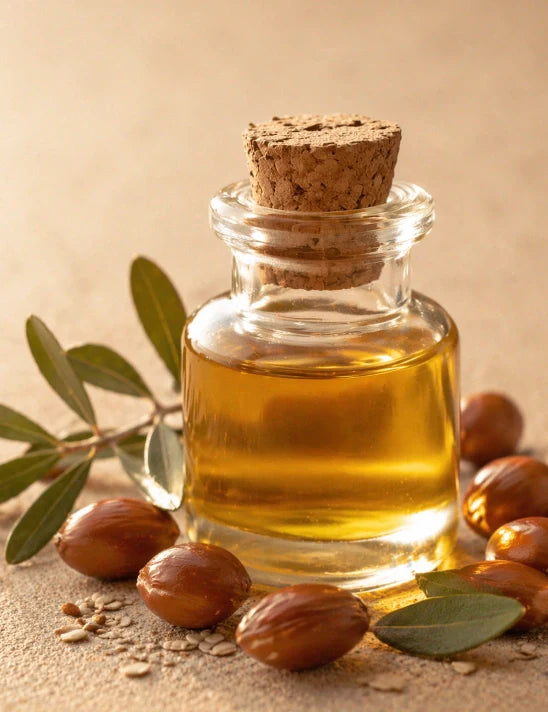
Argan Oil: Often called 'liquid gold' for a reason, argan oil is a restorative powerhouse. It’s loaded with vitamin E and essential fatty acids that dramatically improve elasticity, helping your hair bend instead of break.
The power of argan oil isn't just anecdotal. Clinical data has shown it can reduce the appearance of split ends by an incredible 50% after just four weeks of consistent use. It truly helps restore hair health from the inside out, outperforming many synthetic silicones that just mask the problem. If you're curious, you can discover more insights about the hair serum market and see why natural ingredients are in such high demand.
This visual shows the daily rituals—washing, drying, and detangling—that create the perfect foundation for these nourishing oils to do their work.

When you handle your hair gently, you keep the cuticle smooth, making it ready to be sealed and protected by your chosen oil.
To help you decide, here’s a quick breakdown of which oil might be right for you.
Choosing Your Natural Oil for Split End Prevention
| Oil | Best For | Key Benefit | How to Use |
|---|---|---|---|
| Jojoba Oil | Fine to medium hair, oily scalps | Lightweight moisture, mimics sebum | Daily as a lightweight sealant on dry ends |
| Argan Oil | All hair types, especially dry or damaged | Restores elasticity, adds shine | As a pre-shampoo treatment or a daily sealant |
| Castor Oil | Thick, coarse, or very dry hair | Deeply conditions and strengthens | Weekly as an intensive pre-shampoo treatment |
Each of these oils offers a unique approach to fortifying your hair, so don't be afraid to experiment to see what your hair loves most.
Simple and Effective Oil Application Methods
You don't need a complicated routine to see results. Just two simple methods can make a world of difference in your fight against split ends.
1. The Weekly Pre-Shampoo Treatment This is a deep conditioning ritual that infuses your hair with moisture before you wash it. Once a week, take your chosen oil (argan or castor work beautifully here) and generously apply it from the mid-lengths to the ends. Let it soak in for at least 30 minutes, then shampoo and condition as usual. The oil acts as a protective shield, preventing your shampoo from stripping your fragile ends of their natural oils.
2. The Daily Leave-In Sealant Think of this as your everyday armor against friction. After styling, rub just 1-3 drops of a lightweight oil like jojoba or argan between your palms. Gently smooth it over just the last couple of inches of your hair. This simple step seals the cuticle, adds a bit of shine, and protects your ends from rubbing against your clothes or pillowcase all day.
A common mistake is using way too much oil, which can leave hair looking greasy and limp. Always start with the smallest amount possible—you can always add another drop if you need it. For very fine hair, a single drop is often more than enough.
By combining these oil treatments with other healthy hair habits, you create a powerful defense system. And if you're also focused on scalp health and hair growth, you might want to learn what the benefits of rosemary oil are and how to use it. Consistency is everything; these simple, natural oil treatments will build lasting strength and resilience in your hair over time.
Smart, Gentle Styling for Healthier Hair
Thinking you have to give up styling completely to get healthy hair? Not at all. It's really about shifting how you think about styling—making smart, gentle choices that look great without wrecking your ends. This all comes down to picking hairstyles and tools that shield your hair from the physical stress that causes it to split and fray.
The easiest win here is to lean into heat-free styling. A loose, low braid or a soft twist held in place with a silk or satin scrunchie is not only stylish but also keeps your delicate ends tucked away, safe from rubbing against your clothes. On the flip side, super tight ponytails secured with standard elastic bands put a ton of tension on your hair, often causing it to snap right where the tie sits. Switching to softer hair ties is such a small move, but it makes a massive difference.
Changing Your Approach to Heat Styling
Look, we all want to use a hot tool now and then, and that's perfectly fine. The secret is to be smarter about it, not to ban it forever. The number one rule? Your hair must be 100% bone dry before any heat tool touches it. Applying a 400-degree iron to even slightly damp hair literally boils the water inside the hair shaft, causing it to bubble and burst from the inside.
Another common mistake is cranking the heat up to the max right away. You can almost always get the same beautiful result on a much lower setting. Sure, it might take an extra pass, but that's a small price to pay for keeping your hair's cuticle intact and healthy.
Your Everyday Tools Matter More Than You Think
The brush and comb you grab every day have a huge say in the health of your hair. If you're ripping through tangles with a harsh, bristly brush, you're probably just scraping away at the cuticle and causing micro-tears with every single pass. Swapping that out for a wide-tooth comb, especially when your hair is wet and at its most fragile, is a game-changer. It puts so much less physical strain on your strands.
I always tell my clients to think of their hair like a piece of silk or cashmere. You wouldn't dare scrub it with a harsh brush, right? Apply that same gentle logic to your hair.
It’s no surprise that the hair repair market is massive—it’s expected to grow from USD 8.7 billion in 2025 to USD 18.5 billion by 2035. Why? Because styling damage is a huge problem, causing about 50% of all split ends. Interestingly, research has shown that something as simple as rosemary oil can improve hair strength by 44% by helping to repair that cuticle damage. If you're curious, you can learn more about conditioning hair treatment trends and the science behind these natural powerhouses.
Here's one last pro-tip for when you do use heat: use a natural oil as a heat protectant. Just a couple of drops of argan oil worked through your ends before you style creates a protective barrier. It helps seal in moisture and reduces the direct impact of the heat, giving you a beautiful finish while nourishing your hair at the same time.
Why You Can't Skip Regular Trims (Even When Growing Your Hair)
We've covered all the ways to prevent split ends, but I have to be completely honest about one thing: the only way to get rid of a split end is to cut it off. No magical serum or deep conditioner can truly fuse a frayed hair strand back together.
Think of trimming not as losing length, but as crucial maintenance. It’s the most important defensive move you can make against widespread damage.
When you ignore a small split, it doesn't just stay at the tip. It travels up the hair shaft, creating a "zipper" effect that thins out the strand until it finally breaks off much higher up. What could have been a tiny snip becomes a loss of inches.
The Truth About "Repairing" Split Ends
You've probably seen products that promise to "mend" or "repair" split ends. These are, at best, a temporary cosmetic fix. They typically use silicones or bonding polymers to glue the frayed ends together, but this effect washes away, leaving the original damage behind.
Cutting the split is the only way to truly stop it from worsening.
For most people, a small trim every 8 to 12 weeks is the sweet spot. This schedule lets you snip away the damage before it gets out of hand, which ironically helps you keep more length in the long run. If you wait until your ends are wispy and see-through, you're going to need a much bigger chop.
Ask your stylist for a "dusting". This is a micro-trim that removes less than a quarter-inch of hair—just enough to clean up the very tips and stop future splits without sacrificing the length you've worked so hard for.
How to Know It's Time for a Trim
Don't just stick to the calendar; your hair will tell you when it needs a cut. If you start noticing your ends are constantly tangling, feel brittle even after you’ve moisturized, or look thinner than the rest of your hair, it’s time to book an appointment.
Here are a few tell-tale signs:
- More Tangles Than Usual: Your ends knot up constantly, especially when wet.
- "See-Through" Ends: The last inch or two of your hair looks transparent or wispy.
- Fairy Knots: You find tiny, single-strand knots near the ends of your hair.
Staying ahead of the damage with regular, small trims is the secret to growing hair that's thick and healthy from root to tip. It’s a non-negotiable step for anyone serious about preventing split ends naturally and reaching their long-hair goals.
Nourishing Your Hair From the Inside Out
While gentle handling and pure oils create a protective shield for your hair, true, lasting strength is built from within. What you eat and drink has a direct line to the health and structure of every new strand that grows.
Think of it like building a house. You need a solid foundation, and for your hair, that foundation is laid by your diet.
Your hair follicles are tiny factories that need a steady supply of vitamins and minerals to produce strong, healthy keratin—the very protein your hair is made of. Without the right fuel, they can't do their job properly, and the result is weaker hair that's much more likely to split.
Essential Nutrients for Stronger Strands
Making a few intentional shifts in your diet can make a huge difference in your hair's resilience. Focus on getting enough of these key building blocks:
- Biotin: This is a superstar B-vitamin for keratin production. You can find it in foods like eggs, nuts (especially almonds), and avocados.
- Iron: Crucial for carrying oxygen to your hair follicles. Without enough, hair growth can stall. Load up on leafy greens like spinach and lean proteins to keep your levels up.
- Omega-3 Fatty Acids: These healthy fats are amazing for scalp health and adding that natural, glossy shine. Think salmon, walnuts, and flaxseeds.
Ultimately, the most sustainable path to healthy hair is a consistent, nurturing lifestyle. It’s the powerful combination of gentle care on the outside and intentional nourishment on the inside.
This holistic approach is the secret to preventing split ends before they ever have a chance to form. You can take this even further by exploring topicals that feed your scalp directly, like those mentioned in our guide to the benefits of pumpkin seed oil, creating a complete inside-and-out routine.
Your Top Questions About Split Ends, Answered
When you're trying to figure out the best way to care for your hair, it's natural to have a few questions. Let's tackle some of the most common ones about preventing split ends, pulling together everything we've talked about.
Can You Actually Repair Split Ends Without a Trim?
The short answer is no, you can't permanently "heal" a split end. Think of it like a frayed rope—once the strands have separated, you can't magically fuse them back together.
What natural oils and deep conditioners can do is temporarily smooth the hair cuticle, making the split less noticeable and, more importantly, preventing it from traveling further up the hair shaft. But the only real fix is to snip it off. That’s why being proactive with a preventative routine is everything.
How Often Should I Be Oiling My Ends?
Consistency is the name of the game here. For a deep, nourishing treatment, using a richer oil like Argan or Castor before you shampoo once a week works wonders.
For daily maintenance, just 1-2 drops of a lightweight oil like Jojoba on your dry ends is all you need. This simple habit protects your hair from daily friction and keeps it from drying out, which is a major cause of splits.
Daily oiling isn't about making your hair greasy. It’s about creating a nearly weightless, protective barrier that keeps your ends flexible and resilient.
Is It True Some Hair Types Get More Split Ends?
Yes, absolutely. Hair that's naturally on the drier or more delicate side is definitely more prone to splitting.
- Fine Hair: The individual strands are thinner and have a less sturdy structure, making them physically weaker and easier to damage.
- Curly and Coily Hair: Because of the twists and turns in the hair shaft, the natural oils from your scalp have a much harder time making their way down to the ends.
This means the ends of these hair types are often left vulnerable and dry. If this sounds like your hair, gentle handling and consistent oiling aren't just good ideas—they're non-negotiable for keeping your hair healthy.
At Ella & Eden, we're all about harnessing the power of pure, single-ingredient oils to build your hair's resilience from the inside out. Our certified organic Argan, Jojoba, and Castor oils are the perfect foundation for a simple, effective routine that stops split ends in their tracks. Explore our collection and find the right fit for your hair at https://www.ellaandeden.com.