What Causes Dry Flaky Scalp and How to Finally Fix It
It’s frustrating to deal with a dry, flaky scalp. One day you’re wearing your favorite black sweater, and the next, it looks like a winter wonderland has landed on your shoulders. The important thing to know is that those flakes are a symptom, not a specific disease. They're your scalp’s way of sending up a flare, signaling that something is out of balance.
What Causes a Dry, Flaky Scalp?

If you've noticed those little white flakes, you're in good company. What causes a dry, flaky scalp is often as straightforward as having dry skin elsewhere on your body, like your face or hands.
Simple environmental triggers are often the main culprits. The dry, low-humidity air of winter is a classic cause, as is washing your hair too often with shampoos that strip away its natural oils. Sometimes, it’s just a reaction to a new styling product that your scalp didn't agree with. All these factors can compromise your scalp's moisture barrier, leading to that familiar feeling of tightness, itchiness, and shedding.
Think of your scalp’s moisture barrier like a protective shield. When it's healthy, it keeps hydration in and irritants out. But when it's weakened, moisture escapes, leaving the skin underneath tight, itchy, and prone to flaking.
The Big Picture: A Common Concern
This isn't some rare, exotic problem; it's incredibly widespread. In fact, nearly 50% of adults worldwide experience symptoms that resemble dandruff. A huge number of these cases are simply a dry scalp that’s been misidentified.
Our environment plays a massive role. In a country like India, for example, studies suggest that number can soar to 70% of the population, highlighting how much climate can affect scalp health. Things like frequent washing with harsh surfactants can speed up this process, causing skin cells to turn over too quickly and flake off.
To get started on figuring out what’s going on up there, it helps to know the key players. Here’s a quick chart to help you tell the difference between the most common causes of a flaky scalp.
Quick Guide to Common Flaky Scalp Causes
| Cause | Primary Symptom | Flake Appearance |
|---|---|---|
| Simple Dry Scalp | Itching, tightness | Small, white, dry |
| Dandruff (Seborrheic Dermatitis) | Itching, oily scalp | Larger, yellowish, oily |
| Contact Dermatitis | Red rash, intense itch | Varies, follows rash |
| Psoriasis | Silvery scales, red patches | Thick, silvery, well-defined |
Getting familiar with these differences is the first real step toward finding relief and choosing the right approach to get your scalp back in balance.
The Hidden Culprits Behind Your Flaky Scalp
To really get to the bottom of what’s causing your dry, flaky scalp, we have to look past the surface. Your scalp is its own unique ecosystem, and it’s not always a simple case of dryness. More often than not, there's a complex dance happening between your skin's natural oils, the microscopic critters living there, and your own body's immune system.
Think of your scalp like a garden. For plants to thrive, the soil needs just the right balance of nutrients, moisture, and beneficial microbes. If any one of those elements gets thrown off kilter, the garden suffers. Your scalp is no different, and figuring out the exact imbalance is the first step to getting it back to a healthy state.
The Overzealous Microbe: Malassezia
One of the most common culprits behind an irritated, flaky scalp is seborrheic dermatitis—what most of us just call dandruff. At the heart of it is a yeast-like fungus named Malassezia globosa. This microbe is a totally normal resident on nearly every adult scalp, quietly living its life and feeding on the natural oils (sebum) your skin produces.
The trouble starts when this fungus grows a little too well. It’s not an infection, but rather an imbalance. This overgrowth can set off an inflammatory response, telling your skin cells to multiply and shed way faster than they normally would. The result? The larger, oily, and often yellowish flakes that are the tell-tale sign of dandruff.
Ever wondered why Malassezia is such a sneaky villain? This yeast is found in 10 times higher amounts on dandruff-prone scalps compared to healthy ones. It’s a massive issue, affecting about 50% of adults globally, with men often getting the worst of it. The problem is a delicate interplay between your sebum, your scalp's microflora, and your own individual susceptibility.
Reactions and Immune Responses
Not all flakes are created equal, though. Sometimes, the cause is external or comes from deep within your own immune system.
-
Contact Dermatitis: Have you ever noticed your scalp becoming red, itchy, and flaky right after trying a new shampoo or styling product? That’s contact dermatitis. It’s a direct allergic reaction to a specific ingredient, which is a huge reason why choosing clean, simple formulas is a game-changer for sensitive skin.
-
Simple Dry Skin: This is exactly what it sounds like—your scalp is just thirsty and lacks moisture, like your hands might in the dead of winter. It’s often triggered by low humidity, over-washing with harsh cleansers, or even using water that’s too hot. The flakes from dry skin are typically small, white, and powdery. For a natural way to add moisture back, you might be interested in our guide on the benefits of using rosemary oil for hair and scalp health.
-
Psoriasis and Eczema: These are autoimmune conditions where the body's immune system gets its wires crossed and attacks healthy skin cells. This causes them to build up way too quickly. On the scalp, psoriasis often shows up as thick, silvery scales on well-defined red patches. Eczema can also cause an itchy, red rash accompanied by fine scales.
By understanding these very different causes, you can finally move past a one-size-fits-all approach and start giving your scalp what it truly needs to get back into balance.
Is It Dandruff or Just a Dry Scalp?
This is the first and most important question to ask. Trying to figure out if you have dandruff or just a run-of-the-mill dry scalp can be tricky, but getting it right is everything. Why? Because the treatments are completely different, and using the wrong one can actually make your scalp feel worse.
The confusion makes sense—after all, both cause flakes. But that’s where the similarities end. The root causes are total opposites.
Think of a dry scalp like parched, thirsty skin. It's a moisture problem. Your scalp isn't producing or holding onto enough of its natural oils (sebum), leaving it feeling tight and irritated. The result is tiny, white, powdery flakes that dust your shoulders like a light snowfall.
On the other hand, dandruff, which is a mild form of seborrheic dermatitis, is an oil problem. Your scalp is actually overproducing sebum. This excess oil creates the perfect feeding ground for a common yeast called Malassezia globosa that lives on everyone's skin. When this yeast gets out of control, it triggers inflammation and rapid skin cell turnover, causing large, yellowish, greasy flakes that clump together and stick to your hair and scalp.
A Quick Self-Check
You don't necessarily need a doctor to get a good idea of what's going on. Playing detective with your own scalp can often give you the answer. Just ask yourself a few key questions:
- How does my scalp feel? A dry scalp usually feels tight and itchy, just like the skin on your legs might feel in the dead of winter. If you have dandruff, your scalp will likely feel oily, even if you just washed your hair.
- What about the rest of my skin? Are you prone to dry skin elsewhere, like on your face or hands? If so, there's a good chance your scalp is just dry, too.
- What do the flakes look like? This is the biggest clue. Small, white, and dry flakes strongly suggest a dry scalp. Larger, yellowish, and oily or waxy flakes are the classic sign of dandruff.
This quick flowchart can help you visualize the process of figuring out what’s behind the flakes.

As you can see, an oily-feeling scalp with flakes almost always points to dandruff, while a tight, dry-feeling scalp suggests simple dryness is the culprit.
Dandruff vs Dry Scalp Side-by-Side
Still feeling a little unsure? Let's break it down side-by-side. This table compares the main characteristics of each condition to help you pinpoint the cause of your flakes with more confidence.
| Characteristic | Dry Scalp | Dandruff (Seborrheic Dermatitis) |
|---|---|---|
| Primary Cause | Lack of moisture and sebum | Excess oil (sebum) and an overgrowth of Malassezia yeast |
| Flake Appearance | Small, white, and powdery | Larger, yellowish, and greasy or waxy |
| Scalp Sensation | Tight, taut, and itchy | Oily, greasy, and sometimes itchy |
| Flake Behavior | Fall easily from hair and scalp (like dust) | Tend to stick to the hair and scalp |
| Associated Skin | Often accompanies dry skin on other parts of the body | Can be linked to oily skin on the face, chest, or back |
| Inflammation | Mild or no inflammation | Often involves redness, inflammation, and irritation |
Looking at these details together makes the distinction much clearer. A dry scalp is a hydration issue, while dandruff is a reaction to an imbalance of oil and microbes.
Key Takeaway: You wouldn't water an oil slick or put oil on a flood. Treating a dry scalp with harsh dandruff shampoos can strip away what little moisture it has, while slathering moisturizers on an oily, dandruff-prone scalp can just feed the problem.
Nailing down your diagnosis is the most critical step you can take. Once you know whether you're fighting dryness or oiliness, you can finally choose the right products and build a routine that brings your scalp back into balance for good.
A Clean Beauty Ritual for a Balanced Scalp

When you're struggling with what causes a dry, flaky scalp, the first instinct is often to attack the problem with harsh scrubs and clarifying shampoos. But in reality, the most effective solution is usually the complete opposite—a gentle, nurturing approach that helps restore your scalp’s natural harmony. It’s time to stop punishing your scalp and start pampering it.
Adopting a “less is more” mindset can be a game-changer. This isn't about doing nothing; it's about being more intentional. Think smarter cleansing and targeted moisturizing rituals that work with your skin's natural functions, not against them. By simplifying your routine and choosing the right ingredients, you can finally calm that persistent irritation and bring back healthy hydration.
Embrace Smarter Cleansing Habits
One of the most common culprits behind a tight, dry scalp? Over-washing with products that strip away its protective oils. Your scalp produces sebum for a good reason—it’s your body’s own built-in moisturizer, keeping the skin supple and healthy. Harsh detergents like sulfates wash all that goodness down the drain, leaving your scalp vulnerable and dehydrated.
Let's start by reining that in. Try cutting back your wash days, aiming for just 2-3 times per week. When you do reach for the shampoo, make sure it’s a sulfate-free formula and stick to lukewarm water. Hot water feels nice, but it only aggravates dryness. This simple shift allows your scalp to hold onto its natural moisture barrier, which can make a huge difference in reducing dryness and flakes over time.
Harness the Power of Moisturizing Oils
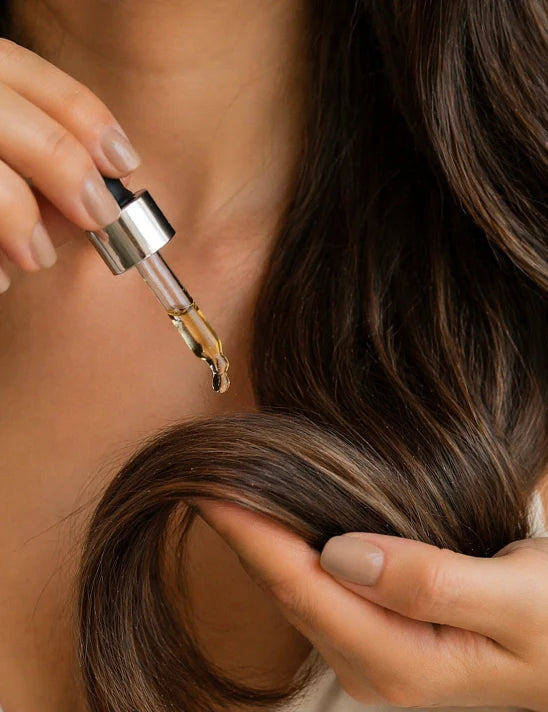
Once your cleansing routine is in a calmer place, the next step is to actively add moisture back in. This is where high-quality, clean oils become your scalp's best friend. Unlike heavy synthetic serums that can just sit on the surface, certain plant-based oils can soothe, hydrate, and rebalance your scalp's delicate ecosystem without clogging your pores.
Two of the absolute best for combating a dry, flaky scalp are Jojoba and Argan oil.
-
Jojoba Oil: This golden oil is a true champion for scalp health because its molecular structure is strikingly similar to our skin's own sebum. Because of this, our skin recognizes it, allowing it to absorb beautifully to deliver moisture deep down without leaving a greasy film. If your scalp is underproducing its own oil, Jojoba steps in as the perfect natural supplement. We dive much deeper into this in our guide on the pure benefits of Jojoba oil.
-
Argan Oil: Often called "liquid gold," Argan oil is rich in Vitamin E and essential fatty acids. These nutrients are fantastic for soothing inflammation and deeply nourishing dry, irritated skin. It works by helping repair a damaged skin barrier, which in turn locks in moisture and helps quiet that distracting itch.
Pro Tip: For a deeply therapeutic treatment, gently massage a few drops of Jojoba or Argan oil directly onto your scalp before bed. The massage itself is beneficial—it boosts circulation, bringing more oxygen and nutrients to your hair follicles. Meanwhile, the oil gets to work overnight, soothing and hydrating while you sleep.
This clean beauty ritual isn't about a quick fix. It's about building a sustainable, nurturing routine that gets to the root causes of a dry flaky scalp, helping you find lasting comfort and a truly healthy foundation for your hair.
Lifestyle Habits for Long-Term Scalp Health
While gentle cleansers and nourishing oils are fantastic for addressing scalp issues topically, true, lasting health often starts from within. The truth is, your scalp is a pretty accurate barometer of your overall wellness, and a lasting fix means looking at the daily habits that support your skin from the inside out.
Think of it this way: your body is an interconnected system. Things like proper hydration, a nutrient-dense diet, and how you manage stress aren't just buzzwords for general health—they are the absolute cornerstones of a balanced scalp. Making small, consistent changes in these areas can build up your skin’s resilience, protecting it from the very triggers that cause dryness and irritation in the first place.
Feed Your Scalp from Within
Your skin is in a constant state of renewal, a process that requires a steady stream of specific nutrients to build strong, healthy cells. If your diet is missing key components, your scalp is often one of the first places it shows.
Try to focus on incorporating foods rich in these skin-loving vitamins and minerals:
- Omega-3 Fatty Acids: You'll find these healthy fats in things like fatty fish, flaxseeds, and walnuts. They're brilliant for helping regulate oil production and keeping inflammation in check.
- Zinc: This powerhouse mineral is vital for skin cell production and repair. Lentils, pumpkin seeds, and chickpeas are all great sources.
- B Vitamins: Biotin and its fellow B vitamins are non-negotiable for healthy skin and hair. They’re readily available in foods like eggs, avocados, and dark leafy greens.
And let's not forget about hydration. It’s a simple one, but it’s critical. Drinking enough water throughout the day helps ensure your skin—scalp included—stays supple and moisturized from the inside. When you’re dehydrated, your skin can become tight, dry, and much more likely to flake.
Manage Your Stress Levels
Have you ever noticed your scalp feels extra itchy or flaky during a particularly stressful week? That’s no coincidence. When we’re stressed, our bodies release a flood of the hormone cortisol, which can throw our entire system off balance. These high cortisol levels can spark inflammation and even ramp up oil production, creating the perfect storm for conditions like seborrheic dermatitis.
Finding small ways to manage daily stress is a powerful act of scalp care. It’s not about eliminating stress entirely, but about building resilience so it doesn't manifest as physical symptoms like an irritated, flaky scalp.
Simple mindfulness exercises, a quick walk to get some fresh air, or a relaxing evening routine can make a world of difference. You can also explore the calming properties of certain natural ingredients. For instance, many people find that massaging a few drops of a rich, soothing oil into their scalp is a wonderful way to unwind. For more ideas on simple self-care rituals, check out our guide on the powerful, natural benefits of castor oil.
When to See a Dermatologist for Your Scalp
A gentle, mindful routine is a fantastic starting point for tackling a dry, flaky scalp. But it's equally important to know when to call in a professional. At-home care can only go so far, and recognizing the clear signs that you need more support can save you from weeks of frustration and discomfort.
Think of it like this: sometimes a leaky faucet just needs a new washer you can replace yourself, but other times, there's a deeper plumbing issue that requires an expert. Your scalp sends out similar signals. If you’ve been diligent with a new routine for 4-6 weeks and the flaking and itching haven't budged, that's your cue to seek an expert opinion. A dermatologist can give you a proper diagnosis that goes far beyond what you can figure out from a mirror.
The Tipping Point: Signs You Shouldn't Ignore
Don't just "wait it out" if your symptoms become severe or start getting in the way of your life. Certain signs strongly suggest an underlying condition, like a more advanced case of seborrheic dermatitis or even psoriasis, which needs more than just a good moisturizing oil to get under control.
It’s time to book an appointment if you experience any of the following:
- Intense, Non-Stop Itching: Is the itch so bad it’s distracting you during the day or waking you up at night? That level of irritation needs professional attention.
- Pain, Cracking, or Bleeding: Your scalp should never feel painful. If it’s sore to the touch, or if you see any cracks or bleeding, it means the skin's protective barrier is seriously damaged.
- Thick, Silvery Scales on Red Patches: This is a hallmark symptom of psoriasis. If you notice clearly defined red plaques covered with thick, silvery-white scales, a medical diagnosis is essential.
A dermatologist is trained to tell the difference between a simple case of dry skin and more complex inflammatory or autoimmune conditions. Getting the diagnosis right is everything—it’s the only way to ensure you get the most effective treatment for real, long-term relief.
Ultimately, seeing a doctor isn’t a sign of failure; it’s a smart, proactive step toward getting healthy. It puts the power back in your hands by giving you the correct information to finally get your scalp back on track.
Your Top Questions About Dry, Flaky Scalp Answered
To wrap things up, let's tackle some of the most common questions that pop up when you're dealing with a dry, flaky scalp. Think of this as our final chat to clear up any lingering confusion and make sure you feel confident moving forward.
Can I Use Coconut Oil for My Dry Flaky Scalp?
This is a tricky one. While coconut oil is a fantastic moisturizer, it’s not a universal solution for scalp issues. For some people, it can be comedogenic (meaning it clogs pores), and if you have seborrheic dermatitis, it can actually make things worse by feeding the Malassezia fungus.
So, when is it okay? If you're dealing with a genuinely dry scalp—the kind that feels tight and parched but doesn't have the tell-tale signs of dandruff—it can offer some relief.
That said, I often recommend starting with lighter oils like Jojoba or Argan. Their molecular structure is surprisingly similar to our skin's own sebum, so the scalp tends to welcome them without a fight.
How Often Should I Wash My Hair if I Have a Dry Scalp?
It's easy to fall into a cycle of over-washing, which only strips your scalp of its natural, protective oils. A great starting point is to dial back your wash days to just 2-3 times per week.
When you do wash, always reach for a gentle, sulfate-free shampoo and stick to lukewarm water. Hot water feels nice, but it’s a major culprit behind a dry, irritated scalp.
Listen to your body. If your scalp feels tight and starts to itch the day after you wash it, that’s a clear sign you’re either washing too often or using a shampoo that's too harsh.
Is It Really That Bad to Scratch My Itchy Scalp?
Yes, absolutely. It might feel good for a second, but scratching is one of the worst things you can do. It creates tiny micro-tears in your scalp's delicate skin barrier, inviting inflammation and even infection. This trauma can kick your skin’s healing process into overdrive, leading to even more flaking. It's a vicious cycle.
Instead of giving in to the urge to scratch, try one of these simple tricks for instant relief:
- Gently pat or tap the itchy spot with your fingertips.
- Apply a few drops of a soothing oil, like Jojoba.
- Place a cool compress on the area for a few minutes to calm the irritation.
Ready to restore balance to your scalp with gentle, effective ingredients? The pure, single-ingredient oils from Ella & Eden are crafted to soothe, hydrate, and nourish without harsh additives. Discover the right oil for your self-care ritual at Ella & Eden.