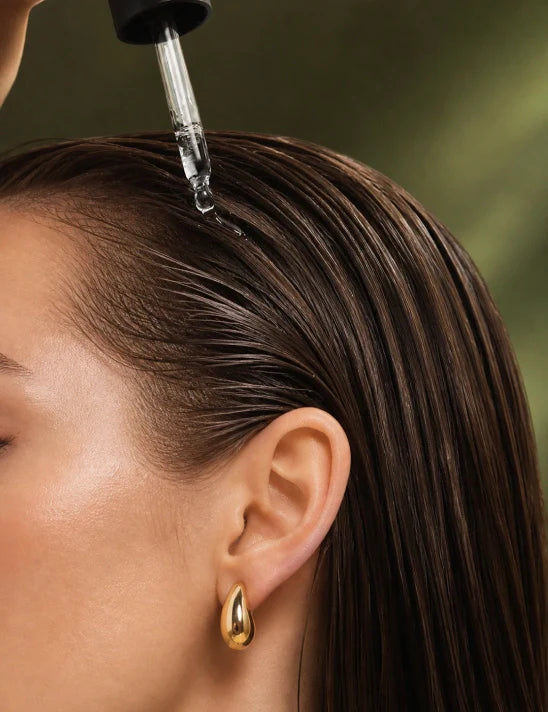
Best Oil for Scalp Health: Top Picks for 2026
We often think of hair health in terms of strands, but the real story starts at the source: your scalp. A healthy scalp is like fertile garden soil—the foundation from which strong, vibrant hair can grow.
The best oil for this "garden" isn't a one-size-fits-all solution. Instead, it’s about finding the right match for your unique needs. Are you seeing signs of thinning? Rosemary Oil is your ally. Struggling with dryness and flakes? Castor Oil offers deep relief. Or is your scalp oily or easily irritated? Jojoba Oil can bring it back into balance.
Your Guide to Choosing the Best Oil for Scalp Health
When you search for the "best oil for scalp health," you'll find countless options. But the truth is, the ‘best’ oil is the one that’s perfect for your unique scalp. Creating a healthy scalp environment is the key to everything from shine to strength, and the right oil makes all the difference.
Let's cut through the noise and show you how to match powerful, natural oils to your specific concerns. Whether you're dealing with dryness, excess oil, sensitivity, or thinning, there's a plant-powered solution waiting for you.
Finding Your Perfect Oil Match
The first step is to listen to your scalp. What is it telling you? Is it a feeling of persistent tightness and flaking that points to dryness? Or maybe it's an overproduction of oil that leaves your roots feeling greasy, even just hours after washing. Perhaps you're simply noticing a little more hair in your brush than usual.
Each of these signs points to a different type of oil that can help restore harmony. For instance, a rich, deeply moisturizing oil is a lifesaver for a parched scalp but would only weigh down an oily one. On the other hand, a lightweight oil that mimics your natural sebum is perfect for balancing grease but might not offer enough nourishment for true dryness.
How an oil is processed also matters immensely. To understand why, you can learn more about what makes a cold-pressed oil a superior choice for retaining nutrients.
This simple decision tree can help you quickly narrow down the options based on your most pressing concern.

As you can see, targeting your specific issue—thinning, dryness, or oiliness—is the most effective way to choose an oil that will deliver real, visible results.
To make it even simpler, we've put together a quick guide to our top oils for scalp health. Think of it as a starting point for your journey.
Quick Guide to Top Scalp Health Oils
Here’s a quick-reference table to help you immediately identify the top contenders for your scalp's needs.
| Oil | Best For | Key Benefit |
|---|---|---|
| Rosemary Oil | Thinning Hair & Growth | Stimulates circulation and has been shown to be as effective as minoxidil for hair density. |
| Castor Oil | Dry, Flaky Scalp & Strength | Deeply moisturizes with ricinoleic acid and strengthens hair strands to prevent breakage. |
| Jojoba Oil | Oily or Sensitive Scalps | Mimics the scalp's natural sebum to balance oil production without clogging pores. |
By understanding what your scalp is asking for and matching it with the right oil, you can move beyond simply treating your hair and start nurturing the very ecosystem it grows from. This intentional, targeted approach is the secret to unlocking your healthiest hair yet.
Understanding Why Scalp Health Is the Root of Great Hair
So, why does scalp oiling actually work? The secret lies in a simple but powerful shift in perspective. We dedicate so much care to our facial skincare routines, but often forget the skin right on top of our heads. Your scalp isn't just where your hair grows from—it is skin, and it needs the same thoughtful attention.
A healthy scalp is the foundation for everything you want your hair to be, from radiant shine to resilient strength. Your hair follicles are embedded in this skin, and when their environment is balanced and nourished, they can do their best work: producing strong, beautiful hair.
The Scalp Microbiome Explained
Just like your gut, your scalp has its own microbiome—a delicate ecosystem of microscopic organisms. When this ecosystem is happy and in harmony, everything runs smoothly. But things like stress, product buildup, or even pollution can throw it all off balance.
This imbalance is often the hidden culprit behind common frustrations like a constantly itchy scalp, stubborn flakes, and even some types of hair thinning. An unhealthy scalp simply can’t support robust hair growth. By nurturing this microbiome, you’re not just masking symptoms; you’re getting to the very source of the problem. If growth is your main goal, understanding how certain oils work is a game-changer. You can discover more about argan oil for hair growth in our dedicated guide.
Key Takeaway: A healthy scalp is a balanced scalp. Nurturing its microbiome is the single most effective way to prevent common issues and foster the ideal conditions for exceptional hair growth and vitality.
What Makes an Oil Effective for Scalp Health
When it comes to scalp care, not just any oil will do. The best oils have specific properties that directly support this unique skin environment, helping it thrive without causing new issues like clogged follicles or greasiness.
Here are the key properties you should always look for:
- Anti-inflammatory: This is what soothes irritation, calms redness, and dials down the scalp's stress response. It’s absolutely crucial for managing sensitivity and conditions like dandruff.
- Antimicrobial: This helps keep the bad guys in check—the fungus and bacteria that can lead to flakes, itchiness, and inflamed follicles.
- Non-comedogenic: A fancy term that just means the oil is unlikely to clog your pores (or, in this case, your hair follicles). Clogged follicles can get in the way of hair growth and even cause scalp breakouts.
Choosing an oil with these characteristics gives your scalp the tools it needs to regulate itself. It’s an approach that shifts the focus from simply treating your hair to actively cultivating a healthy scalp, which is the real secret to unlocking your hair's full potential.
Jojoba Oil for Balancing Oily and Sensitive Scalps

If your scalp seems to be in a constant battle with itself—either too oily or too sensitive—then Jojoba Oil might just be the peacekeeper you've been looking for. Unlike other oils that can feel heavy, jojoba offers a uniquely intelligent approach to scalp care, working in harmony with your body’s natural rhythms.
The secret is in its structure. Jojoba oil isn’t technically an oil at all, but a liquid wax ester. This makes its composition remarkably similar to our own sebum, the natural oil our skin and scalp produce. This uncanny resemblance is what allows it to be such a brilliant regulator.
The Ultimate Scalp Balancing Act
Think of jojoba oil as a skilled diplomat for your scalp. For an oily scalp that’s in overdrive, jojoba sends a gentle signal that everything is balanced, helping to curb excess oil production. The result is less greasiness without stripping your scalp of what it needs to stay healthy.
On the other hand, for a dry or sensitive scalp that isn't producing enough oil, jojoba provides lightweight, non-greasy moisture. Because it’s so similar to your natural sebum, your scalp readily accepts it. It soothes and hydrates without clogging hair follicles, making it a perfect choice for anyone prone to irritation or scalp breakouts.
Jojoba oil’s ability to mimic natural sebum makes it a uniquely versatile treatment. It provides hydration where needed and helps regulate oiliness where it's excessive, making it the best oil for scalp health for those seeking balance.
This dual-action benefit is well-documented. Studies show that because of its structural similarity to our own oils, it can help reduce excess oil by as much as 25% in oily scalps. At the same time, its anti-inflammatory properties and rich fatty acid profile help calm irritation. You can learn more about these hair oiling benefits and the research behind them.
Nourishment Beyond Moisture
Beyond its beautiful balancing act, jojoba oil is packed with nutrients that directly benefit your scalp and hair follicles. It’s a natural source of vitamins and minerals that are crucial for creating a healthy environment for your hair to thrive.
- Vitamin E: A powerful antioxidant that helps protect the scalp from environmental stressors, maintaining a healthy foundation for hair growth.
- B-Complex Vitamins: These vitamins are essential for skin and hair, helping to repair and fortify the scalp’s natural barrier.
- Anti-inflammatory Properties: Jojoba naturally helps soothe redness and irritation, making it a gentle giant for even the most sensitive scalps.
The benefits truly add up. In one trial focused on scalp health, 68% of users reported a noticeable reduction in dandruff after just four weeks of consistent use, showing just how powerful it can be at calming and rebalancing the scalp.
This potent combination of balancing moisture and deep nourishment is why Jojoba Oil is a staple in so many clean beauty routines. It’s the perfect, simple solution for anyone searching for a calm, comfortable, and beautifully regulated scalp.
Castor Oil for Deep Hydration and Hair Strength
 If you're dealing with a tight, flaky scalp or hair that feels brittle and weak, think of Castor Oil as your intensive care ritual. Its rich, syrupy texture is what sets it apart from lighter oils. It’s a powerful moisture-sealer, perfect for rescuing a dehydrated scalp and fortifying fragile hair from root to tip.
This thick, golden oil is nature’s answer to deep conditioning. When you work it through your scalp and hair, it creates a protective layer that locks in moisture, finally putting an end to the frustrating cycle of dryness and flaking.
The Power of Ricinoleic Acid
So, what gives Castor Oil its unique strength? It all comes down to its chemical makeup, which is dominated by something called ricinoleic acid. This unique omega-9 fatty acid makes up about 90% of the oil, and it’s the real workhorse for your scalp and hair. It isn’t just a moisturizer; it’s an active ingredient that gets to work deep down.
Ricinoleic acid is celebrated for its soothing anti-inflammatory and circulation-boosting effects. When you massage it into the scalp, it helps increase blood flow to the follicles, delivering a fresh supply of oxygen and nutrients right where you need them. This helps create the ideal environment for hair to grow in stronger and healthier.
Castor oil's high ricinoleic acid content makes it a powerhouse for scalp health, known to boost circulation and fight inflammation. Its effectiveness is so notable that in a 2021 analysis of over 500 natural hair product users, 72% reported a significant reduction in flakiness and itchiness after just eight weeks of twice-weekly applications. To dive deeper into these findings, you can explore the research on castor oil's benefits.
This special fatty acid also gives the oil impressive antimicrobial and antifungal properties. By helping to create a healthy balance in your scalp's microbiome, it gets to the root cause of issues like dandruff and irritation. It's an excellent choice for anyone looking for lasting scalp comfort.
From Scalp Hydration to Hair Strength
The benefits of Castor Oil don’t stop at the scalp. Its dense, nourishing consistency is ideal for strengthening the hair itself, fortifying each strand and improving its overall resilience. It’s like a rebuilding treatment for your hair.
Here’s how it works to transform your hair’s texture and appearance:
- Reduces Breakage: By deeply moisturizing and coating the hair shaft, Castor Oil makes your hair more elastic and flexible. That means less snapping and breaking when you brush or style it.
- Promotes a Thicker Appearance: While it can’t create new follicles, it strengthens the hair you have and cuts down on breakage. This allows hair to grow longer, giving it a fuller and denser look over time.
- Seals Split Ends: The thick oil helps to temporarily smooth over split ends, sealing the hair cuticle and preventing damage from traveling further up the shaft.
Because of its heavy, rich feel, Castor Oil is perfectly suited as a weekly deep conditioning treatment or an overnight mask. It's the ultimate go-to for anyone looking to restore serious moisture, rebuild their hair’s strength, and achieve a truly healthy scalp foundation. If you’re searching for the best oil for scalp health with a focus on intense hydration, this is it.
Rosemary Oil for Stimulating Natural Hair Growth
When it comes to natural scalp care, some ingredients just have that special something. Rosemary oil is one of them, earning its place as a trusted ally for anyone focused on thinning hair and encouraging growth. While it’s been a staple in folk remedies for centuries, today we have compelling science that shows just how powerful this essential oil truly is.
At its heart, rosemary oil works by boosting circulation. Think of it as waking up your scalp. By increasing blood flow, it helps ensure your hair follicles get a steady supply of the oxygen and nutrients they need to thrive, creating the perfect foundation for a healthy growth cycle.
A Natural Alternative with Proven Results
The real turning point for rosemary oil came with a remarkable 2015 study. Researchers worked with 100 people experiencing androgenetic alopecia (a very common type of hair loss) and what they found was incredible.
After six months, applying rosemary oil to the scalp was just as effective as using a 2% minoxidil solution—the active ingredient in many commercial hair growth products. Participants in both groups saw a similar increase in hair count, but the rosemary oil group reported significantly less scalp itching, a frequent complaint with minoxidil. This study helped validate what many already believed: rosemary oil is a serious, plant-based option for hair care. You can read more about these hair growth study findings.
And for those curious about how different oils can work together, this guide to the best essential oils for hair growth is a fantastic resource.
More Than Just a Growth Stimulant
Rosemary oil's magic isn't just about circulation. It’s also packed with other properties that protect and maintain your scalp's health, making it an excellent choice when growth is your main goal.
Here’s what else it brings to the table:
- Antioxidant Defense: Rich in antioxidants like carnosic acid, the oil acts like a shield, protecting your scalp and hair follicles from environmental damage caused by things like pollution and UV rays.
- Anti-inflammatory Action: It helps calm and soothe the scalp, reducing the kind of low-grade inflammation that can often lead to shedding. A calm scalp is a happy, productive one.
- Antimicrobial Power: Rosemary oil also helps keep your scalp's natural microbiome in check, fending off the unwanted bacteria and fungi that can cause dandruff and irritation.
Key Insight: Rosemary oil takes a holistic approach to hair growth. It actively stimulates follicles by improving circulation while also protecting them with powerful antioxidant and anti-inflammatory compounds.
Because it's a potent essential oil, rosemary oil is highly concentrated and should always be diluted in a carrier oil, like Jojoba or Argan oil, before you put it on your scalp. This simple step ensures you get all the benefits without any risk of irritation. If you're serious about tackling hair thinning with a natural, proven solution, making rosemary oil a part of your regular routine is a wonderful step to take.
How to Build Your Perfect Scalp Oiling Ritual

Now that you know which oils are best for your scalp, let’s bring it all together. A scalp oiling ritual isn't about following strict rules. It's about creating a personal practice that feels good, fits into your life, and truly nurtures your scalp and hair. Think of this as your guide to making that happen.
The most important part of any oiling routine? The massage. This simple act does so much more than just spread the oil around. It wakes up your scalp by boosting blood flow, which helps deliver a fresh rush of oxygen and nutrients right where you need them—your hair follicles. A good massage also ensures the oil absorbs deeply, making every drop count.
The Foundation: A Simple Scalp Massage
Before you start, gently brush your hair to get rid of any tangles. You can do this on dry hair right before you plan to wash it.
-
Start Small: Pour a dime-sized amount of your chosen oil into your palm. Remember, you can always add more, but starting with a small amount helps avoid a greasy feeling. Warm the oil by rubbing your hands together for a few seconds.
-
Apply Directly to Your Scalp: Part your hair into sections and use your fingertips to gently dab the oil onto your scalp. Pay a little extra attention to the areas that feel dry, itchy, or where you'd like to see more growth.
-
Begin the Massage: Using the soft pads of your fingers (never your nails!), apply gentle but firm pressure. Work in small, slow circles, starting from your hairline and moving back toward the crown, then down to the nape of your neck. Take your time with this—aim for at least 3-5 minutes of mindful massage.
Tailored Routines for Your Scalp Type
Your oiling practice should be as unique as you are. Here are a few simple routines you can start with and adapt to your needs.
-
For Oily or Sensitive Scalps: A lightweight pre-shampoo treatment is your best bet. Apply Jojoba Oil to your dry scalp, massage it in for a few minutes, and let it sit for 30-60 minutes. This gives the oil just enough time to balance things out before you wash it away.
-
For Dry Scalps and Brittle Hair: Give your hair an intensive overnight mask. Gently work a richer oil like Castor Oil into your scalp and smooth it through to your ends. Protect your pillowcase with a silk bonnet or towel, and wash it out thoroughly the next morning.
-
For Targeted Growth Support: If you're using Rosemary Oil for thinning hair, consistency is everything. Mix a few drops into a carrier oil like Jojoba and massage a small amount into the specific areas of concern daily or every other day.
Key to Success: Consistency is far more important than quantity. A small amount of oil used regularly will deliver better results than a large amount used sporadically. Listen to your scalp and adjust as needed.
Creating Custom Blends and Setting Expectations
Don't be afraid to experiment and create your own custom blends. Mixing oils allows you to create a treatment that targets multiple concerns at once.
A fantastic starting point is adding 2-3 drops of Rosemary essential oil to two tablespoons of a carrier like Jojoba or Argan oil. This simple blend is wonderfully balancing and helps encourage healthy growth.
Finally, be patient. While your scalp might feel soothed and hydrated after just one use, visible changes like new growth or improved density take time. Hair growth is a slow process, so stick with your ritual for at least three to six months to see real, lasting results. For more tips on keeping your strands happy, see our guide on how to moisturize natural hair.
Frequently Asked Questions About Scalp Oils
Stepping into the world of scalp oiling is a beautiful act of self-care, but it’s natural to have a few questions before you begin. From how often to apply it to whether it will leave your hair feeling heavy, we’ve gathered the most common questions here. Think of this as your guide to starting your ritual with confidence.
How Often Should I Oil My Scalp?
There’s no one-size-fits-all answer here—the perfect frequency comes down to listening to your scalp. Think of it as learning a new language; your scalp will tell you what it needs.
A great place to start is by aligning your oiling ritual with your scalp type:
- For Oily Scalps: A pre-shampoo treatment once or twice a week is usually just right. This gives your scalp all the nourishment without feeling overwhelmed.
- For Normal to Dry Scalps: Oiling two to three times a week can provide the consistent hydration your scalp is craving.
- For Targeted Growth Support: If you're using an oil like rosemary for thinning areas, massaging a small amount in daily can offer the most consistent support.
If your hair feels weighed down, scale back. If your scalp still feels tight or flaky, you might want to oil a little more often. It's all about finding your unique balance.
Will Oiling My Scalp Make My Hair Greasy?
This is a common fear, but it’s completely avoidable with the right oil and a light touch. The goal is to treat the scalp, not drench the hair from root to tip.
Choosing an oil that complements your scalp type is the most important step. If you're prone to oiliness, a lightweight oil like Jojoba is a wonderful choice. Use it as a pre-shampoo treatment for 30–60 minutes before washing to ensure your scalp absorbs the nutrients without leaving any residue behind.
Heavier oils, like Castor Oil, are best saved for a deep overnight treatment before a thorough wash day.
Pro Tip: Remember, the goal is scalp nourishment, not hair saturation. When you use the right oil for your needs and wash it out properly, you get all of the benefits and none of the greasy feeling.
Can I Mix Different Oils Together?
Absolutely. Blending oils is a fantastic way to create a personalized treatment that addresses several of your concerns at once. It’s like crafting a custom cocktail for your scalp, combining the unique strengths of each ingredient.
For example, you could create a potent blend for growth and moisture by adding a few drops of Rosemary Oil to a carrier oil like Jojoba. For a deeply hydrating mask, mixing thick Castor Oil with a lighter oil like Argan improves its texture and adds even more nutrients.
Just remember to always dilute a potent essential oil like rosemary in a carrier oil to avoid any skin irritation.
How Long Until I See Results from Scalp Oiling?
Patience and consistency are your two most important tools here. While you might feel immediate relief from dryness or itchiness after just one or two uses, the most meaningful changes take time.
When it comes to the hair growth cycle—things like improved density or less shedding—it typically takes at least three to six months of consistent use to see visible results. This timeline reflects the natural pace of hair growth. Stick with your ritual, trust the process, and you’ll be on your way to a calmer scalp and healthier hair.
Ready to find the perfect, pure oil for your scalp ritual? At Ella & Eden, we offer a curated collection of single-ingredient, certified organic oils to support your self-care journey. Explore our cold-pressed Jojoba, Castor, and Rosemary oils to start building your routine today.