DIY Body Oil Recipe: Customize Your Natural Glow
You’re probably here because you’ve looked at one too many body oils with ingredient lists that read like a chemistry quiz. Fragrance blends, fillers, vague “parfum,” and oils you didn’t want can make a simple skincare step feel oddly complicated.
A good body oil recipe doesn’t need to be complicated. In practice, the best formulas usually start with less: a few well-chosen carrier oils, clean tools, and a clear reason for every ingredient in the bottle. That’s especially true if your skin is reactive, dry, or just tired of trial and error.
Why Create Your Own Body Oil
Making your own body oil gives you control that store-bought products often don’t. You choose the texture, the finish, the scent level, and whether it stays completely fragrance-free. If your skin gets irritated easily, that level of control matters.
It also turns skincare into something more intentional. Instead of hoping a label matches your needs, you build a formula around them. If you want light hydration, you can keep it simple. If you want a richer oil for rough elbows, post-shave dryness, or nighttime use, you can adjust the blend.
Simplicity has a long history
Body oils aren’t a trend. They’re one of the oldest forms of skincare we know. Ancient Egyptians used body oils as early as 4050 BC, including castor and olive oils, and Cleopatra famously favored sesame and olive oils.
That history matters because it points to something modern skincare sometimes forgets. Skin often responds well to simple, plant-based care when the ingredients are chosen thoughtfully.
Pure oils have lasted for centuries because they do one job well: they soften, protect, and support the skin barrier without asking skin to tolerate ten extra things first.
A better option for sensitive skin
A lot of online body oil recipes jump straight to essential oils. That’s fine for some people, but it isn’t the best starting point for everyone. Many readers need a formula that skips fragrance entirely.
That’s one reason this approach feels so useful right now. Searches for “fragrance-free body oil recipe” have grown 45% year over year, and 20 to 30% of women report fragrance sensitivity. The gap is obvious once you start looking. Plenty of recipes smell lovely. Fewer are built for skin that wants calm over perfume.
If you’ve been trying to simplify your routine, this fits naturally with a broader move toward toxin-free beauty products. Not because every commercial product is bad, but because fewer ingredients make it easier to know what your skin likes.
Understanding Your Building Blocks The Carrier Oils
Before you mix anything, get familiar with carrier oils. These are the base oils that make up almost all of your formula. They aren’t there to “carry” the recipe in a boring way. They are the recipe.

A good carrier oil affects how fast the blend absorbs, how heavy it feels, and how your skin looks an hour later. If you choose well here, the rest gets easier. If you choose badly, no amount of fancy add-ins will save the formula.
For a deeper primer on how these oils work, this guide to what a carrier oil is is a helpful companion.
What to look for when buying oils
Quality shows up quickly in a body oil. Cheap, overly processed oils can feel flat, greasy, or stale.
Use this quick checklist:
- Cold-pressed when possible: This keeps the process gentler.
- Organic if that matters to your routine: Especially if you’re trying to keep the formula minimalist.
- Unrefined or minimally processed: These usually retain more of the oil’s natural character.
- Fresh smell and clear labeling: If the bottle smells old, sharp, or off, skip it.
Four oils worth knowing
Here’s the practical version of what each one does.
| Oil | Texture | Best for | What it’s like in a blend |
|---|---|---|---|
| Jojoba oil | Light | Most skin types | Helps a blend feel balanced, smooth, and less greasy |
| Argan oil | Silky, medium-light | Dry or mature-feeling skin | Adds softness and a polished finish |
| Castor oil | Thick, rich | Targeted dry areas | Best used in small amounts because it can dominate texture |
| Apricot kernel oil | Light to medium | Sensitive or dry skin | Softens without making the blend feel heavy |
Jojoba oil
Jojoba is one of the easiest oils to start with. It has a clean, balanced skin feel and plays well with almost every other carrier oil.
It’s the oil I reach for when someone says, “I want moisture, but I hate feeling slick.” In a body oil recipe, jojoba often acts like the stabilizer for the whole sensory experience. It helps the blend feel more elegant and easier to wear during the day.
Argan oil
Argan gives a blend a softer, more cushiony finish. If your skin feels dull, tight, or rough after showering, argan can make a formula feel more comforting without tipping into heavy.
It’s especially useful in cooler weather or for people who want their body oil to feel a little more luxurious. If jojoba is the quiet workhorse, argan is the oil that adds polish.
Practical rule: If your first test batch feels too dry, increase the richer oil. If it feels too slick, increase the lighter oil.
Castor oil
Castor oil is powerful, but it needs restraint. It’s thick, clingy, and very nourishing. That makes it excellent for spot use on rough patches, cuticles, or very dry legs, but not always ideal as the star of a full-body blend.
A common beginner mistake is adding too much because thicker feels more “moisturizing.” In reality, too much castor can leave the skin tacky and make the blend feel harder to spread.
Apricot kernel oil
Apricot kernel oil is often overlooked, which is a shame. It has a gentle, easy skin feel that works beautifully in simple blends. It softens without a heavy afterfeel and pairs especially well with jojoba.
If you want your first formula to feel pleasant and low-risk, apricot kernel is a smart choice. It brings a bit more softness than jojoba while still keeping the blend approachable.
The Foundational Body Oil Recipe A Minimalist Start
Start with a formula that’s easy to make and easy to live with. The best first body oil recipe is one you’ll finish, not one that turns your kitchen into a lab project.

This base works well because it’s fragrance-free, straightforward, and balanced enough for most skin types.
The recipe
A strong starting formula is:
- 70% jojoba oil
- 30% apricot kernel oil
- 0.1% vitamin E
That ratio comes from this professional body oil formulation review, which also notes that weighing ingredients to 0.01g accuracy matters because volume measurements can introduce 10 to 15% error, and that this base showed 95% stability over 6 months.
If you want more context on how natural oils support skin glow, this guide to natural oils for glowing skin is worth reading after you make your first batch.
What you need
Keep your setup simple:
- A digital scale that reads to 0.01g
- A clean glass beaker or bowl
- A small funnel
- An amber glass bottle with a pump or treatment cap
- A spoon or glass stir rod
How to make it
Use a clean workspace and room-temperature oils.
- Place your empty mixing vessel on the scale. Zero it out before each ingredient.
- Weigh the jojoba first, then the apricot kernel oil. This keeps the texture balanced and predictable.
- Add vitamin E last. It’s used here to help slow oxidation, not to transform the formula.
- Stir gently until the mixture looks uniform.
- Bottle it right away in clean amber glass.
Keep the process cool. Gentle, room-temperature mixing is kinder to delicate oils than heating them for convenience.
Why this formula works
This blend avoids the two things that usually derail a first batch. It doesn’t overload the skin with fragrance, and it doesn’t rely on messy measuring by tablespoons or cups.
It also gives you a useful baseline. Once you’ve used this formula for a week or two, you’ll know whether you want something lighter, richer, silkier, or more targeted. That makes your next adjustment smarter.
Customizing Your Blend for Scent and Purpose
Once your base works well, you can decide whether to keep it pure or make it more specialized. Both approaches can be good. The key is knowing that more ingredients don’t automatically make a better oil.

Option one stays fragrance-free
For many people, this is the best long-term path. A fragrance-free body oil is easier to patch test, easier to troubleshoot, and less likely to compete with other products in your routine.
If your skin is reactive, dry from shaving, or easily irritated after sun or hot showers, keep your blend simple. You can still customize by texture and feel rather than scent.
Try adjustments like these:
- For a richer night oil: Add a small amount of castor oil to part of your base blend.
- For a silkier finish: Increase argan oil and reduce the heavier component.
- For rough areas only: Keep a separate tiny bottle with a more concentrated, richer oil blend for elbows, knees, and cuticles.
This route is less exciting on paper, but in real use it often performs better.
Option two adds essential oils carefully
If you want scent, use a light hand. Most DIY body oil problems start here. People assume more drops mean more benefit. That usually means more irritation.
The Tisserand Institute’s dilution guidance recommends 0.5 to 2% dilution for body oils, which works out to about 5 to 20 drops per ounce of carrier oil. Their guidance also notes that going above this range does not improve benefits and does raise irritation risk.
That’s the limit to respect, not a target to hit.
A simple way to think about customization
Use this decision guide:
| Your goal | Better move | Why |
|---|---|---|
| Sensitive skin | Stay fragrance-free | Fewer possible triggers |
| Everyday body moisture | Keep the base as-is | Reliable and easy to tolerate |
| Spa-like scent | Add essential oils within the safe dilution range | Keeps the formula pleasant without overdoing it |
| Targeted scalp massage | Use a separate small bottle | Lets you tailor the blend without changing your main body oil |
If you’re new to essential oils, start at the low end of dilution. You can always make the next batch stronger. You can’t make an irritated patch of skin wish you’d used less.
One purposeful add-in
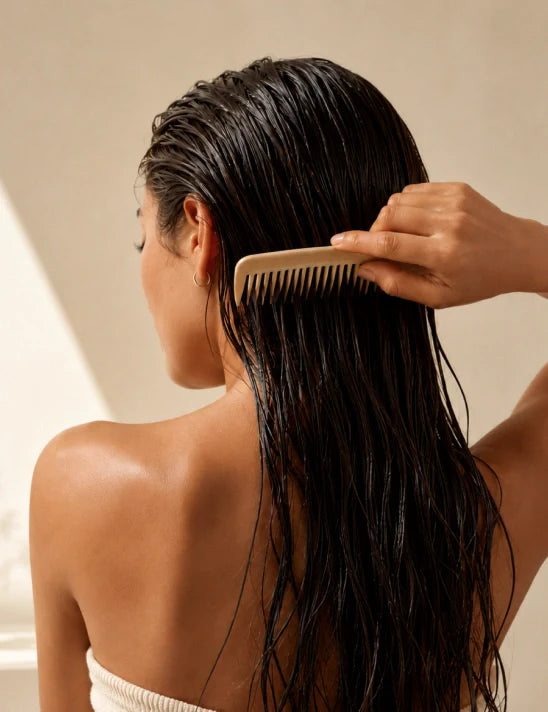
A useful example is rosemary oil in a separate oil meant for scalp massage rather than all-over body use. That keeps your daily moisturizer simple and lets you reserve stronger aromatics for a specific purpose.
The bigger lesson is this: customize by purpose, not by impulse. Don’t add five oils because they sound beautiful together. Add one thing because you know why it belongs there.
Your Guide to Application Storage and Shelf Life
A well-made oil can still disappoint if you use it at the wrong time or store it carelessly. Technique matters almost as much as formula.

How to apply it so it actually feels good
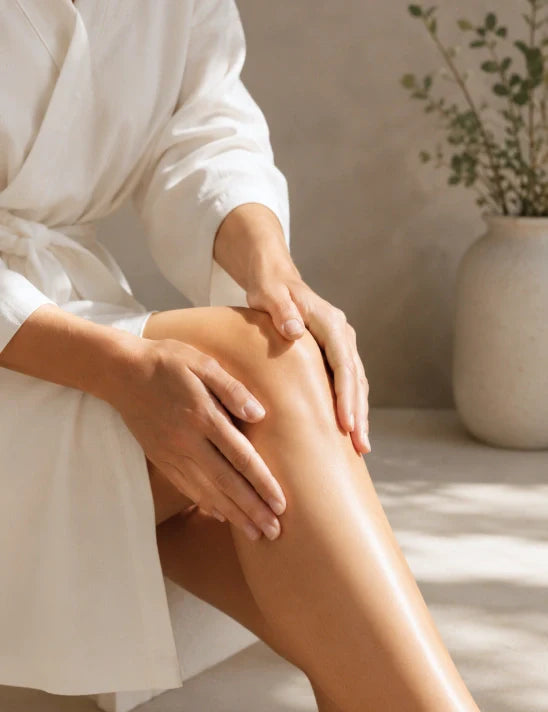
Body oil usually works best on damp skin, right after a shower or bath. Don’t towel off completely. Pat away the dripping water, then smooth the oil over arms, legs, and torso while the skin is still slightly moist.
That changes the feel of the product. Instead of sitting on top of dry skin, the oil spreads more evenly and helps trap that surface moisture in place.
A few practical habits make a difference:
- Use less than you think: You can always add another small layer.
- Warm it in your palms first: This helps it spread more evenly.
- Press over rough areas last: Knees, elbows, and shins usually need the extra pass.
How to store it well
Light, air, and heat are what work against your blend over time. That’s why amber glass is the better choice for a body oil recipe you want to keep fresh.
Store the bottle in a cool spot away from direct sunlight. Keep the cap or pump closed tightly after each use. If your bathroom gets hot and steamy all day, a drawer or cabinet outside the shower zone is a better home.
What to watch for over time
Because this is an anhydrous formula, you’re not dealing with the same preservation issues as a water-based lotion. Still, oils can oxidize.
Check for signs like:
- An off smell: Sharp, stale, or crayon-like
- A noticeable change in color
- A texture that feels wrong compared with when you made it
Patch testing matters too, especially if you’ve changed your base or added essential oils. Apply a small amount to a discreet area and give your skin time to respond before using it all over.
Fresh oils smell calm and clean. If your bottle smells tired, your skin probably won’t enjoy it either.
Embrace Your Ritual The Power of Pure Ingredients
A homemade body oil is small, but it changes the way many people relate to skincare. You stop buying products based on hopeful packaging and start using ingredients you understand. That shift is practical, not precious.
It also reconnects beauty with ritual. Body oil asks you to slow down for a minute, notice your skin, and use products with a clear purpose. For sensitive skin, that clarity is often what makes the routine sustainable.
There’s also a broader reason this simple approach keeps showing up again. The essential oils market was valued at $11 billion in 2020 and is projected to grow at 7.5% annually through 2028, while 65% of shoppers in the US and EU prefer clean, organic beauty products. You don’t need to chase every trend inside that category. But the larger movement confirms what many people already feel in daily use: simple, well-made formulas still maintain significant relevance.
Use that as encouragement to keep your own formula honest. Start with a clean base. Change one variable at a time. Let performance, comfort, and consistency guide the recipe.
If you’re ready to build a routine around pure, single-ingredient oils, explore Ella & Eden. Their collection is centered on cold-pressed, unrefined oils for skin, hair, and everyday self-care, which makes it easy to find high-quality building blocks for your next body oil recipe.