Best Natural Facial Serums: Your 2026 Skin Guide
You’re probably here because your skin feels like it needs something more than a basic moisturizer, but every serum page sounds the same. One bottle promises glow. Another promises firmness. A third has an ingredient list that reads like a chemistry exam mixed with a herb garden.
That confusion makes sense.
Facial serums sit in an odd spot in skincare. They’re often presented as the “smart” step, but many people still aren’t sure what they do, how they differ from oils, or whether a simple natural option can work just as well as a long, expensive formula. If you have sensitive skin, the confusion gets worse fast. “Natural” doesn’t always mean gentle.
A clearer approach starts with understanding what a serum is trying to do, what ingredients matter, and when a single-ingredient oil can be the most sensible choice of all.
Beyond the Basics Your Introduction to Natural Serums
Walk into any beauty aisle and you’ll see shelves packed with droppers, glass bottles, botanical claims, and glowing reviews. Yet a common question persists: which one is right for my skin?
That’s part of why natural facial serums have become such a strong category. People want targeted skincare, but they also want formulas that feel cleaner, simpler, and easier to trust. According to Grand View Research’s facial serum market outlook, the global facial serum market reached USD 5,840.5 million in 2024 and is projected to reach USD 8,582.0 million by 2030, with anti-aging serums holding 31.93% of the market. The same source links that growth to rising interest in natural and clean formulations.
That matters because it shows this isn’t just beauty marketing. Shoppers are actively moving toward products that feel more intentional. They want fewer fillers, more purpose, and ingredients they can understand.
Why serums feel different from basic skincare
A good serum is focused. It isn’t trying to do everything at once.
Consider this:
- A cleanser washes the slate clean.
- A serum delivers something specific, like hydration or antioxidant support.
- A moisturizer or oil helps keep that support where your skin can use it.
That simple role is what makes serums appealing. They fit modern routines better than heavy, complicated layering.
Big idea: The best serum isn’t the one with the longest ingredient list. It’s the one that matches your skin’s actual need.
Some readers start by browsing curated collections of natural facial serums to compare textures, ingredients, and skin goals side by side. That can be helpful if you want to train your eye to spot the difference between a formula built around one hero ingredient and one padded with extras.
Where this guide takes a different approach
Most serum guides focus on multi-ingredient blends. Those can be useful, but they aren’t the only option.
This guide gives special attention to single-ingredient oils used as natural serums, especially for people with reactive or sensitive skin. That’s an overlooked corner of clean beauty, even though simple oils can be a smart answer when your skin doesn’t like fragrance, essential oils, or crowded formulas.
Understanding What Makes a Serum Natural and Effective

A serum is best understood as a concentrated treatment step. It’s made to deliver ingredients your skin can use for a specific purpose, such as hydration, soothing, brightening, or supporting the look of firmness.
A moisturizer has a different job. It acts more like a coat than a treatment.
A simple way to tell serum from moisturizer
Use this analogy:
- Serum = nutrient shot
- Moisturizer = protective coat
A serum gives your skin a more concentrated dose of active ingredients. A moisturizer helps reduce moisture loss and creates comfort on the surface. You usually need both functions, even if they come from different products.
That’s where many people get stuck with natural facial serums. Some are water-based. Some are gel-like. Some are oil-based. And many facial oils are marketed like serums.
What “natural” usually means in a serum
In practical terms, a natural serum usually centers on plant-derived ingredients and avoids a long list of synthetic fillers, harsh additives, and unnecessary fragrance. It often includes ingredients like botanical extracts, plant oils, flower waters, or naturally derived humectants.
That said, “natural” isn’t a guarantee of gentleness or quality.
A product can be natural and still contain:
- Essential oils that irritate reactive skin
- Fragrance blends that make skin sting
- Too many actives layered into one bottle
- Plant extracts included in tiny amounts for marketing
So the better question isn’t just “Is it natural?” It’s “Is it simple, purposeful, and suited to my skin?”
Why serums are usually lightweight
Serums tend to feel lighter than creams because they’re designed for delivery, not cushion. Their formulas often spread quickly and sink in fast, which helps them sit well under other products.
Here’s the practical difference:
| Product type | Main role | Texture | Best use |
|---|---|---|---|
| Serum | Targets a skin goal | Lightweight | Use after cleansing |
| Moisturizer | Seals and softens | Creamy or rich | Use after serum |
| Facial oil | Nourishes and helps reduce moisture loss | Silky to rich | Use after water-based layers |
That doesn’t mean oils are less useful. It just means they behave differently.
Serums do the focused work. Oils and moisturizers help hold the routine together.
Where pure oils fit in
Pure oils deserve a clearer place in the conversation.
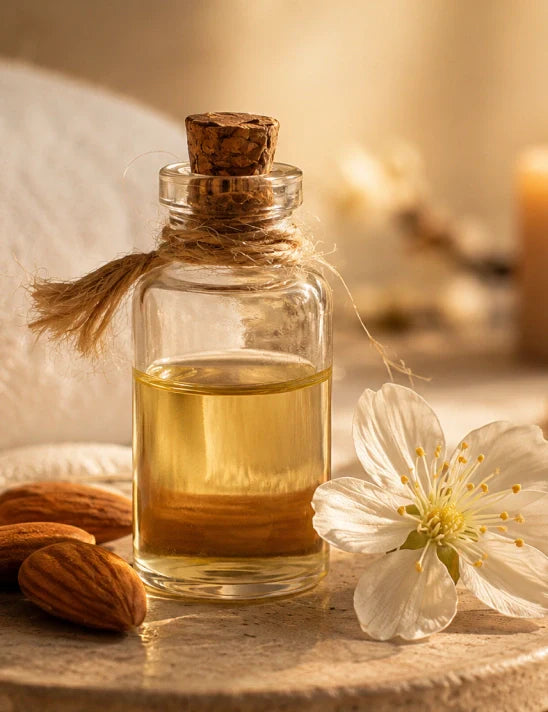
A single-ingredient oil like jojoba or argan doesn’t act exactly like a water-based serum. It won’t deliver water to the skin. But it can still function as a natural serum alternative when your goal is softness, barrier support, and a stripped-back routine your skin can tolerate.
That’s especially relevant if your skin tends to react to “natural” blends packed with essential oils, fruit acids, or strong extracts.
For many people, effective skincare starts getting easier when they stop asking, “What’s the most advanced formula?” and start asking, “What can my skin use comfortably and consistently?”
The Powerhouse Ingredients Inside Natural Serums
A good serum ingredient list should answer one question quickly. What job is this product doing for your skin?
That matters because “natural serum” can describe two very different things. One might be a water-based formula built to hydrate. Another might be a single oil that cushions dry, reactive skin and helps reduce moisture loss. Both can be useful. They just solve different problems.

Hydrators that help skin hold water
If your skin feels tight after cleansing, a hydrating serum often makes the biggest difference.
Hyaluronic acid is one of the best-known examples. The Cleveland Clinic explains that hyaluronic acid is a substance your body makes naturally and that, in skincare, it helps bind water and support hydration in the skin’s surface layers. In simple terms, it works like a sponge that sits near the top of the skin and holds onto water for longer. You can read their overview of how hyaluronic acid helps skin stay hydrated.
This type of ingredient often suits:
- Dry skin that feels rough or uncomfortable
- Dehydrated oily skin that feels shiny and tight at once
- Sensitive skin that prefers a gentle, non-greasy layer
One point confuses people. Hydrating ingredients help pull in and hold water, but they do not do much to stop that water from escaping on their own. That is why a simple oil or moisturizer after a hydrating serum usually gives better results than serum alone.
Antioxidants that support stressed-looking skin
Skin faces daily wear from sunlight, pollution, and plain old overdoing it with exfoliation. Antioxidants help limit some of that visible stress.
Green tea is a good example because it is easier to understand than many trend-driven ingredients. The National Center for Complementary and Integrative Health notes that green tea contains polyphenols studied for antioxidant and anti-inflammatory effects, which helps explain why it shows up so often in calming and brightening formulas. Their page on green tea and its active compounds gives helpful background.
Antioxidant serums are often chosen for:
- Dullness
- Uneven-looking tone
- Skin exposed to heavy sun or city air
- Early signs of fatigue or fine lines
If you enjoy occasional treatments alongside your serum, a product like Matcha Tea Face Mask can fit nicely because matcha is commonly chosen in skincare for its antioxidant profile and calming feel on tired-looking skin.
Soothers and repair-focused oils
This is the part many serum guides skip. A single-ingredient oil can act like a natural serum in a very stripped-back routine, especially for sensitive skin.
That does not mean oils replace every serum. It means they can be the smartest option when your skin barrier feels irritated, your face stings after active products, or long botanical blends keep causing reactions.
A few oils stand out for different reasons:
- Jojoba oil has a light, wax-like structure that resembles the skin’s own surface lipids, so it often feels comfortable even on combination skin.
- Argan oil is rich and cushioning without being overly heavy, which makes it a strong choice for dry, rough, or easily irritated skin.
- Rosehip oil feels more active and lightweight, so people often choose it when they want nourishment with a less coated finish.
If you want to understand how one simple oil can fit into a minimal routine, this guide to organic argan oil for skin and hair is a useful reference.
For reactive skin, simple often wins. One well-tolerated oil can be easier to use consistently than a serum packed with fragrant extracts, essential oils, and multiple actives competing for attention.
How to read an ingredient list with more confidence
Start with the first five ingredients. They usually tell you most of what you need to know.
Then ask:
-
What is this formula mainly trying to do?
Hydrate, soothe, support the barrier, or offer antioxidant care? -
Is the star ingredient easy to spot?
A clear lead ingredient is easier to judge than vague claims on the front label. -
Does the formula stay focused, or is it crowded?
Sensitive skin often does better with fewer moving parts. -
Would a single oil do the same job more gently?
This is a useful question if your skin reacts to many “natural” blends.
A good natural serum does not need to look complicated to be effective. Sometimes the strongest formula is a smart hydrator. Sometimes it is one bottle of oil your skin can finally tolerate.
How to Choose the Perfect Natural Serum for Your Skin
Choosing a serum gets easier when you stop shopping by trend and start shopping by skin behavior. Your skin tells you more than marketing does.
If it feels tight and flaky, it needs one kind of support. If it gets shiny by noon but still feels stripped after cleansing, that’s a different issue. If it reacts to almost everything labeled “clean” or “botanical,” simplicity may matter more than novelty.

Match the serum to the problem
Here’s a straightforward comparison to help narrow your choice.
| Skin concern | What it often feels like | Helpful serum style | What to avoid first |
|---|---|---|---|
| Dryness | Tight, rough, flaky | Hydrating serum plus oil or cream | Alcohol-heavy formulas |
| Dehydration | Oily but also tight | Water-based hydrator, then light oil | Over-cleansing |
| Sensitivity | Stinging, redness, easy reactions | Fragrance-free, minimalist formula, often single-ingredient oil | Essential oil blends |
| Dullness | Flat, uneven-looking skin | Antioxidant-focused serum | Too many strong actives at once |
| Mature-looking skin | Fine lines, loss of bounce | Hydrators plus antioxidant or nourishing oil | Harsh layering |
| Acne-prone skin | Congestion, shine, irritation from treatments | Lightweight, simple, non-heavy formulas | Rich fragranced blends |
Many shoppers often get tripped up. They buy for a label like “glow” or “anti-aging” instead of the actual condition their skin is showing day to day.
Sensitive skin often does better with less
Sensitive skin needs a different standard. A formula can be beautiful on paper and still be too much in real life.
A 2025 dermatology review noted that 68% of sensitive skin users report reactions to complex natural serums with essential oils. The same source says this has contributed to a 22% rise in sales for oil-only serums like jojoba, which are described as non-comedogenic and similar to the skin’s natural sebum.
That’s a useful reminder that “natural” and “gentle” are not synonyms.
For sensitive skin, these options often make more sense:
- Single-ingredient jojoba oil when skin needs balance and a lighter feel
- Single-ingredient argan oil when skin feels dry or fragile
- Very short ingredient lists with no added fragrance
- Patch testing before full-face use
If your skin reacts easily, the smartest serum may be the least exciting-looking bottle on the shelf.
A practical way to decide
Ask yourself these questions before you buy:
What is my main issue right now
Pick one. Not three.
If your skin is dry and also dull, start with dryness. Comfortable skin usually responds better to everything else after that.
Does my skin like active formulas or hate them
Some skin handles layered ingredients well. Some gets red, itchy, or bumpy from almost anything beyond the basics.
If that sounds familiar, explore a simpler path first. This guide to best oils for acne-prone skin is useful because it looks at how lightweight oils can fit into routines that need balance without excess heaviness.
Do I want treatment or support
A treatment serum usually chases a visible goal like brightening or smoothing. A support serum or oil focuses on comfort, softness, and barrier care.
Neither is better. They just do different jobs.
When a single-ingredient oil is the better choice
Single-ingredient oils are often overlooked because they seem too simple. But simple can be a strength.
They work well when:
- Your skin is reactive
- You’re rebuilding after overuse of actives
- You want one flexible product
- You prefer fragrance-free routines
- You care more about tolerance than trend
A pure oil won’t replace every type of serum. It won’t do the same job as a water-based hydrator. But for many people, especially those with sensitive skin, it can be the product that finally makes a routine feel calm and sustainable.
Your Guide to Layering Serums and Facial Oils
One of the biggest skincare mix-ups is using a good product in the wrong order. Even a gentle natural serum can feel sticky, sit oddly, or seem ineffective if it’s layered poorly.
The easiest rule is thin to thick.

The basic order that works for most people
Use this sequence:
-
Cleanse
Start with clean skin, but don’t scrub it into submission. -
Apply water-based serum
This includes hydrating serums or lightweight antioxidant serums. -
Add moisturizer if you use one
This step adds comfort and helps reduce moisture loss. -
Finish with facial oil
Oil goes later because it helps seal in the layers underneath.
That’s why putting oil on first can be a problem. It can make it harder for a water-based product to sit where you want it.
If your serum is oil-based
Oil-based serums are a little different. If your “serum” is really a facial oil or a blend of oils, treat it as the nourishing final layer, or nearly final layer, in your routine.
That means you don’t need to overcomplicate things. You just need to know what kind of product you’re holding.
Simple morning and evening examples
Morning routine
- Gentle cleanse or rinse
- Hydrating or antioxidant serum
- A few drops of facial oil if needed
- Sunscreen
If your skin leans oily, you may skip oil in the morning or use only a very small amount.
Evening routine
- Cleanse
- Hydrating serum on slightly damp skin
- Facial oil to lock in softness
At night, oils often feel more comfortable because you’re not layering makeup or sunscreen on top.
Use fewer drops than you think. Most oils spread farther than people expect.
Common layering mistakes
A few things cause most of the frustration:
-
Using too much product
More product doesn’t equal better absorption. -
Rubbing aggressively
Pressing or smoothing usually works better than vigorous rubbing. -
Applying oil to very dry skin and expecting hydration
Oils help seal moisture in. They don’t replace water-based hydration on their own. -
Changing everything at once
If your skin gets irritated, you won’t know which step caused it.
A good routine should feel boring in the best way
You shouldn’t need ten steps, perfect timing, or a spreadsheet. A routine that works is usually calm, repeatable, and easy to stick with.
If your skin feels comfortable, your products aren’t pilling, and you know why each step is there, you’re doing it right.
Sourcing Safe Sustainable and Truly Natural Serums
The clean beauty label on the front of a bottle doesn’t tell you much by itself. The ingredient list does. The packaging does. The sourcing story does.
A serum can look earthy and minimal and still contain things your skin doesn’t enjoy.
Read the ingredient list like a filter
Start with the first several ingredients. They tell you what the formula is mostly made of.
A few things to watch closely:
-
Fragrance
If your skin is sensitive, fragrance is often worth avoiding, even in natural products. -
Essential oil blends
These can smell beautiful, but they’re common troublemakers for reactive skin. -
Very long botanical lists
More plants do not automatically mean a better product. -
Filler-heavy formulas
If the hero ingredient is buried deep in the list, the formula may be selling a story more than a function.
Certifications can help, but they aren’t the whole answer
Certifications can be useful shortcuts, especially if you care about ethics and ingredient standards.
Look for signs that a brand values:
- Organic sourcing
- Cruelty-free practices
- Vegan formulas if that matters to you
- Transparent ingredient disclosure
Still, no seal replaces your own judgment. A certified product can still be a poor fit for your skin if it contains fragrant botanicals you don’t tolerate well.
Packaging matters more than many people realize
Natural oils and botanical ingredients are often sensitive to light, heat, and air. Better packaging helps protect the formula.
Glass bottles are often preferred because they feel more aligned with eco-conscious values and can help preserve product integrity. Darker bottles can be especially helpful for light-sensitive oils.
If you’re curious why extraction method matters too, this guide on what is cold pressed oil offers a useful explanation of why many shoppers seek cold-pressed options when choosing natural skincare.
Good sourcing isn’t only about where an ingredient comes from. It’s also about how gently it was handled before it reached your skin.
DIY versus buying from a trusted brand
Some people love making their own skincare. Sometimes that works well. Sometimes it creates avoidable problems.
Here’s a balanced look:
| Option | Pros | Cons |
|---|---|---|
| DIY serum or oil blend | Full control, simple ingredients, satisfying to make | Stability questions, storage issues, harder to judge compatibility |
| Ready-made product | Convenient, tested, consistent, easier to repurchase | Less customization, quality varies by brand |
DIY can make sense when you’re using a single, stable oil and storing it carefully. It gets trickier when you start blending multiple ingredients without a clear understanding of freshness, oxidation, or skin tolerance.
For many people, buying from a transparent brand is the simpler and safer route. The best products aren’t the flashiest. They’re the ones that tell you exactly what’s in the bottle, why it’s there, and how to use it.
Frequently Asked Questions and Troubleshooting
Even a thoughtful routine can hit a few bumps at first. Most serum problems come down to product fit, order, or quantity.
Why is my serum pilling or rolling off my skin
This usually happens when you’ve applied too much, layered too quickly, or mixed textures that don’t sit well together.
Try this:
- Use less product
- Wait a moment between layers
- Press instead of rubbing
- Simplify the routine for a few days
If pilling keeps happening, your serum and moisturizer may just not be compatible.
Why does a natural serum sting
“Natural” ingredients can still irritate skin. Essential oils, strong botanical extracts, and over-layered actives are common reasons.
If your skin stings, stop and check:
- Does the formula contain fragrance or essential oils?
- Are you using it after exfoliating?
- Is your skin barrier already irritated?
A simpler product, especially a minimalist oil or fragrance-free serum, is often the better reset.
Can I use natural facial serums with retinol or other actives
Usually, yes. But don’t pile everything on at once.
A sensible approach is to use your treatment active as directed, then add a gentle hydrating serum or simple facial oil for support if your skin tolerates it. If irritation starts, pull back and simplify.
How long does it take to see results
That depends on the goal.
Hydration can feel better quickly. Brightening and smoothing usually take longer and require consistency. Barrier support is often something you notice as less irritation, less tightness, and steadier skin behavior, not just as a dramatic visual change.
Do I need both a serum and a facial oil
Not always.
If your skin is happy with one well-chosen product, that’s enough. A water-based serum and an oil do different jobs, so some people love using both. Others do best with a single, uncomplicated formula they’ll use every day.
The right routine is the one your skin tolerates well and you can repeat without stress.
If you want a simpler way to care for sensitive, dry, or easily overwhelmed skin, Ella & Eden is worth exploring. The brand focuses on clean, single-ingredient oils and minimalist self-care staples that make it easier to build a routine around what your skin needs, not what the trend cycle says you should buy next.