Unlock Radiant Skin with Cruelty Free Body Oil
You're probably standing in a familiar spot. One hand is holding a bottle that says “natural,” another says “vegan,” a third has a bunny icon you don't fully trust, and every label sounds cleaner than the last. If your skin is sensitive, the confusion gets worse. You're not just choosing a body oil for glow. You're trying to avoid irritation, mystery ingredients, and buying something that doesn't match your values.
That's why cruelty-free body oil deserves a closer look. For many shoppers, it isn't only an ethical checkbox. It's a practical clue about how carefully a product is made, how transparent a brand is, and whether you can trust what's inside the bottle.
Why Your Search for Clean Body Oil Matters
Beauty labels can feel like a language of their own. “Clean.” “Botanical.” “Non-toxic.” “Vegan.” “Cruelty-free.” They sound reassuring, but they don't all mean the same thing, and brands don't always make the differences easy to spot.
If you've ever turned a bottle over three times and still felt unsure, that reaction makes sense. Sensitive skin often forces you to become your own ingredient detective. You're looking for comfort, but you're also looking for proof.
Why this isn't a niche concern
This shift is happening far beyond a small circle of ingredient-focused shoppers. The global cruelty-free cosmetics market was valued at USD 14.84 billion in 2023 and is projected to reach USD 23.54 billion by 2030, growing at a 6.8% CAGR, according to Grand View Research's cruelty-free cosmetics market report. That kind of growth shows that ethical buying has moved into the mainstream.
People aren't only asking whether a product works. They're asking how it was made, what standards were followed, and whether the label tells the full story.
Clean beauty means more when the label gives you something specific to verify.
What many shoppers are really searching for
Individuals seeking a cruelty-free body oil often want a few basic things:
- Clear standards so they can tell the difference between marketing and real claims
- Gentle ingredients that won't leave skin feeling reactive or overloaded
- Better transparency about sourcing, testing, and fillers
- Simple routines that don't require ten products to get soft, comfortable skin
If you like browsing curated options before narrowing your ingredient checklist, it can help to discover unique bath and beauty sets and compare how different brands present their formulas, labels, and overall product philosophy.
The good news is that cruelty-free body oil doesn't have to stay confusing. Once you know what the term means, what it doesn't cover, and how to verify it, the beauty aisle gets much easier to shop.
Decoding Cruelty-Free Versus Vegan Body Oils
The biggest point of confusion is simple. Cruelty-free and vegan are not interchangeable.
A helpful way to think about it is an allergy label. A food can be gluten-free and still contain nuts. In the same way, a body oil can be vegan and still not be cruelty-free, or cruelty-free and still include animal-derived ingredients.

What cruelty-free actually means
Cruelty-free body oil means no animal testing took place at any stage of development. That includes the finished product and the ingredients used to make it.
Core definition: Cruelty-free describes the testing process, not automatically the ingredient list.
That distinction matters because many shoppers see a gentle-looking oil blend and assume “natural” must also mean ethical in every sense. It doesn't.
What vegan means instead
Vegan body oil focuses on ingredients. It means the formula doesn't contain animal-derived materials such as beeswax, honey, lanolin, or carmine.
A quick example makes the difference easier to remember:
- A body oil made only from plant oils but tested on animals would be vegan, not cruelty-free
- A body balm made without animal testing but containing beeswax could be cruelty-free, not vegan
- A formula that avoids both animal testing and animal-derived ingredients is both cruelty-free and vegan
Where readers often get tripped up
The confusing part is that packaging often blends these ideas together. A leaf icon may suggest a plant-based formula. A bunny icon may suggest no animal testing. But unless the brand explains both clearly, you may only be seeing half the picture.
For shoppers with reactive skin, this isn't just a values issue. It affects how confidently you can choose a product. If a label is vague about basic definitions, it may also be vague about fragrance, preservatives, or hidden extras.
Here's the practical takeaway. If you want the simplest path, look for a body oil that is both cruelty-free and vegan, then read the ingredient list anyway. A short, recognizable formula is often much easier to trust than one built around broad marketing terms.
How to Verify Cruelty-Free Claims with Confidence
A cruelty-free claim on the front of the bottle is a starting point. It is not the finish line.
Some brands use self-made symbols, soft language, or packaging that implies an ethical standard without proving it. That's why verification matters, especially if your skin reacts easily and you want fewer surprises.

Why third-party checks matter
Recent ingredient-focused reporting highlights a real gap between claims and proof. While 62% of “vegan” body oil brands claim 100% plant-based formulas, 31% fail to disclose hidden animal derivatives or synthetic preservatives. In addition, 45% of products labeled “cruelty-free” lack third-party verification like Leaping Bunny, which requires full supply chain audits.
That's the part many shoppers miss. A product can sound clean and still leave out details that matter.
If a brand asks you to trust the label without showing who verified it, pause before you buy.
The two labels people look for most
When you're scanning a product page or bottle, these are the names commonly recognized:
| Feature | Leaping Bunny | PETA Beauty Without Bunnies |
|---|---|---|
| Verification style | Requires supply chain review and ongoing monitoring | Lists cruelty-free and cruelty-free-and-vegan brands |
| Why shoppers value it | Stronger audit-focused standard | Easy for consumers to spot and compare |
| Best use | High-trust verification for stricter screening | Helpful first check, then confirm ingredients |
A simple buying habit helps here. Don't stop at the front label. Check the brand's FAQ, certification page, and full ingredient list. If the wording stays vague, move on.
A quick confidence checklist
When I'm reviewing a cruelty-free body oil, I look for these signs first:
- Recognizable certification such as Leaping Bunny or a clearly stated PETA listing
- Full ingredient transparency with every component named, not hidden behind broad fragrance language
- Consistency across pages so the product page, FAQ, and brand values page all say the same thing
- No fuzzy bunny graphics that look official but don't identify a certifying body
If you want to see how certification language is discussed in adjacent categories, this article on cruelty-free hair care brands offers a useful comparison point for reading brand claims carefully.
What confidence looks like in practice
The safest approach is boring, and that's a good thing. Choose brands that make verification easy. Choose formulas with fewer moving parts. Choose labels that answer questions before you need to email customer support.
For a sensitive skin shopper, trust often comes from what a product leaves out as much as what it includes. Certification tells you about the testing standard. Ingredient transparency tells you whether the formula deserves a place on your skin.
Choosing the Best Body Oil for Sensitive Skin
Sensitive skin usually prefers less. Less fragrance. Less filler. Less guessing.
That's one reason cruelty-free body oil often appeals to people with reactive skin. Brands that commit to stricter ethical standards frequently build simpler formulas too, especially when they focus on plant oils rather than heavily engineered blends.

Why plant oils can feel more comfortable
Dermatologists recommend plant-based emollients like jojoba and argan oil because they contain bioactive components such as fatty acids and vitamin E that help fill micro-gaps between skin cells, creating a barrier that seals moisture and protects against environmental damage.
That barrier support is a big deal when your skin feels tight after showering, reacts to weather changes, or stings when exposed to fragrance-heavy products.
Skin that's easily irritated often responds better to formulas with a short ingredient list and a clear purpose.
What to look for on the bottle
A good sensitive-skin body oil usually checks a few boxes:
- Single-ingredient or short formula so it's easier to identify what your skin likes
- Cold-pressed plant oils that keep the formula simple
- Fragrance-free or low-interference formula to reduce avoidable triggers
- No mineral oil or synthetic fragrance if your skin tends to react to fillers or scent blends
Jojoba oil is often a comfortable starting point because it's lightweight and familiar to many skin types. Argan oil is another strong option when skin feels dry and rough. Some people also like castor oil for targeted dry areas, though its thicker texture often works better in small amounts than as an all-over body oil.
If you want a deeper look at matching oil texture and skin needs, this guide to the best oils for sensitive skin is a helpful reference.
One practical example
A product such as Ella & Eden Pure Jojoba Oil fits the minimalist approach because it's a single-ingredient oil designed for skin and scalp use. That kind of formula can make patch testing easier since you're evaluating one core ingredient rather than a long blend.
What to avoid if your skin is reactive
Some body oils cause problems not because oils are bad, but because the formula carries too much extra baggage. Watch for:
- Synthetic fragrance when your skin gets red or itchy easily
- Filler-heavy blends that make it harder to identify the irritant
- Unclear preservative systems in products marketed as ultra-clean
- Long ingredient decks where the main oil is only one small part of the formula
When your skin is sensitive, purity isn't a trendy word. It's practical. The fewer hidden variables in the bottle, the easier it is to build a routine your skin can live with.
Simple Rituals to Maximize Body Oil Benefits
A good body oil does its best work when you use it at the right moment. Users often find better results not by applying more, but by applying it more intentionally.

In the broader body oil category, natural oils held a 68.9% share by product type in 2024, and liquid body oils held a 72.7% share, showing a clear preference for easy-to-apply, plant-based formulas in daily routines.
After-shower is the easiest win
The simplest ritual starts when your skin is still slightly damp. Pat off excess water, then smooth a small amount of oil over arms, legs, and anywhere that tends to feel dry.
This works because you're helping the oil sit over existing moisture instead of applying it to parched skin. The finish usually feels softer and less greasy.
Turn it into a two-minute reset
Body oil can also shift from skincare to self-care without adding much time. Warm a few drops between your hands, then massage into shoulders, calves, or the back of your neck.
A short massage changes the experience. Instead of rushing through lotion, you're giving dry areas more attention and helping your routine feel calming rather than mechanical.
Apply body oil to damp skin when possible. You'll usually need less product, and the finish feels more even.
A few simple ways to use one bottle
Different oils can pull double duty in a minimalist routine:
- Post-shower body seal for legs, arms, and elbows
- Dry patch care on knees, heels, and cuticles
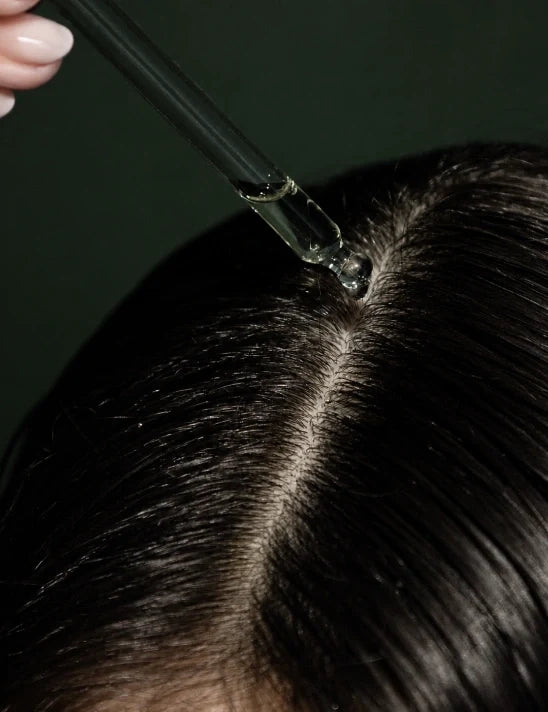
- Scalp massage with a suitable plant oil when your scalp feels dry
- Brow and lash grooming with a thicker oil used sparingly
- Bath add-on with a few drops for a more cushioned feel on the skin
One caution matters here. More oil doesn't automatically mean more hydration. If skin feels slick for hours, you're probably using too much. Start with a few drops and add only if your skin still feels tight.
The routine that tends to stick
The best body oil ritual is the one you'll repeat. A successful ritual often involves a bottle kept where it's easy to reach, a short ingredient list they trust, and one dependable moment in the day to use it.
That could be after your evening shower. It could be before bed on dry elbows and hands. It could be a Sunday scalp massage and a midweek leg treatment. Simple routines last longer because they don't ask much from you.
Beyond the Label Sourcing and Sustainability
A cruelty-free body oil can meet an ethical testing standard and still leave open questions about sourcing, processing, and packaging. That's why the label is only one piece of the story.
Many shoppers who care about cruelty-free standards also want ingredients that are traceable, minimally processed, and handled with care from harvest to bottling. Cold-pressed and unrefined oils matter here because the method often aligns with a less stripped-down product. You're getting an oil closer to its original state, without unnecessary extras piled on top.
What a more complete clean beauty standard looks like
A thoughtful brand usually pays attention to more than one area at once:
- Ingredient origin so you know where plant oils come from
- Extraction method such as cold pressing, which supports a simpler formula
- Packaging choices like glass or recyclable materials when possible
- Supply chain transparency so ethics don't stop at the front label
For skincare specifically, cold-pressed oils are worth learning about because processing affects what ends up on your skin. This overview of organic cold-pressed oils for skin is a helpful place to start.
A clean product asks for trust in several areas at once. No animal testing. No hidden ingredients. Clear sourcing. Sensible packaging. When those pieces line up, cruelty-free body oil becomes more than a label. It becomes a reliable part of a routine that feels good in every sense.
If you want a simpler way to build an ethical, low-interference routine, explore Ella & Eden for single-ingredient oils and clean self-care essentials designed around transparency, cruelty-free standards, and everyday ease.