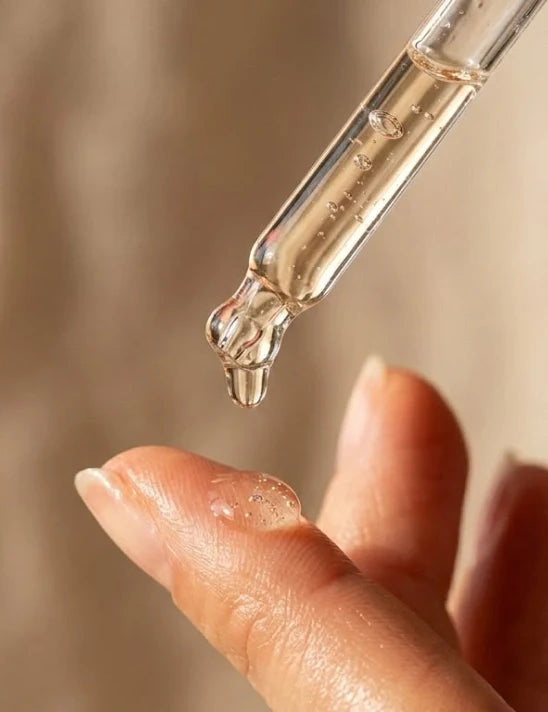
Organic Castor Oil for Hair Growth and a Healthier Scalp
Let’s be real for a moment: using organic castor oil for hair growth isn't about some miracle overnight transformation. It’s about creating the absolute best environment for your hair to do what it does naturally—grow. Think of it less as a growth accelerator and more as a powerful ally that moisturizes your scalp, strengthens your existing hair, and keeps breakage at bay. The result? You get to see and keep the length you’re already growing.
The Truth About Organic Castor Oil and Hair Growth

When we talk about castor oil, it's crucial to separate the hype from the reality. There’s no hard scientific evidence showing it directly makes hair grow faster. Instead, its true power lies in nurturing the hair you have, allowing it to grow long and strong without interruption.
The magic behind the scenes is ricinoleic acid, a unique fatty acid that makes up a whopping 90% of castor oil. This is what gives the oil its signature thick, ultra-nourishing consistency and its potent scalp-soothing properties.
Fostering a Healthy Scalp Environment
Healthy hair starts with a healthy scalp. There’s just no way around it, and this is where organic castor oil really shines. Its intense moisturizing abilities are a game-changer for anyone dealing with dryness or flakes, which can clog follicles and get in the way of healthy growth.
But it’s more than just a moisturizer. Ricinoleic acid is also known for its anti-inflammatory properties. A calm, happy scalp is far less prone to the irritation and dandruff that can disrupt the hair growth cycle. By soothing your scalp, you’re clearing the runway for your hair to grow without any roadblocks.
The real takeaway here is that castor oil helps you achieve stronger, healthier hair, not necessarily faster growth. It stops breakage in its tracks and nourishes the scalp, letting you finally see your hair's true growth potential without the constant setbacks from damage.
Improving Follicle Circulation
Another fascinating piece of the puzzle is how castor oil might improve circulation. While the science is still catching up, many experts point to that impressive ricinoleic acid content. This fatty acid doesn't just moisturize; it may also help stimulate prostaglandin E2 receptors in the scalp.
What does that mean for you? This process could potentially increase blood flow right to the hair follicles, delivering a fresh supply of oxygen and nutrients exactly where they’re needed. As you can read about on Oprah Daily, better-nourished follicles lead to stronger hair from the root up.
Essentially, each of these benefits works together to create a supportive system for resilient, healthy-looking hair.
Strengthening Strands to Reduce Breakage
It's a frustratingly common story: you feel like your hair just isn't growing, when the real culprit is breakage. Your hair is growing, but it's snapping off before you can see any real length. This is a problem organic castor oil tackles head-on.
When you apply it, the oil acts like a deep conditioner, sealing the hair cuticle to lock in moisture and make each strand more flexible. This newfound resilience helps your hair stand up to daily wear and tear from brushing, heat styling, and even the environment.
By strengthening your existing hair, you dramatically reduce the amount of breakage you experience. Suddenly, you're retaining the length your follicles are working so hard to produce, and your hair appears to be growing faster and thicker. This is exactly why it’s so important to choose a high-quality, cold-pressed, and unrefined organic oil—you’re getting the most potent, nutrient-dense version without any unwanted chemicals getting in the way.
How to Choose the Best Organic Castor Oil
Walk down any health and beauty aisle, and you'll quickly realize that not all castor oil is the same. The bottle you pick makes a huge difference in the results you’ll see, and a few key markers on the label separate the good stuff from the duds.
Think of it like buying olive oil for a gourmet meal—you want the extra-virgin, cold-pressed kind, not the highly processed stuff. The same principle applies here. For your hair, you want the purest, most potent oil you can find.
Why Cold-Pressed and Unrefined Matter Most
The two most important terms you'll see are cold-pressed and unrefined. Let's break down why they're non-negotiable.
When an oil is cold-pressed, it means the oil was squeezed out of the castor beans using pure mechanical force, without any high heat. Heat destroys the delicate fatty acids and vitamins that make castor oil so powerful. Cold-pressing keeps all that natural goodness intact, especially the all-important ricinoleic acid.
An unrefined oil is one that hasn't been chemically treated, bleached, or deodorized to make it look "cleaner." The refining process might create a uniform product, but it strips away vital nutrients. For hair growth, you want the full, unadulterated strength of the oil.
The gold standard is an oil that is both cold-pressed and unrefined. This combination ensures you're getting the most nutrient-dense product possible—one that can truly nourish your scalp and fortify your hair.
Look for the Hexane-Free and Organic Seals
Next on your checklist? Make sure it's hexane-free. Hexane is a chemical solvent that some manufacturers use to extract every last drop of oil from the seeds. It’s an efficient but harsh method, and trace amounts of this chemical can end up in the final product. A hexane-free label guarantees you’re getting a cleaner, safer oil to put on your scalp.
Finally, always go for certified organic. This isn't just a buzzword; it's a critical seal of quality.
- No Nasty Chemicals: It means the castor beans were grown without synthetic pesticides or fertilizers, which can irritate the skin.
- Purity You Can Trust: Organic certification often goes hand-in-hand with cleaner processing methods, giving you peace of mind.
- A Better Choice for the Planet: You're also supporting sustainable farming practices.
Taking a moment to read the label ensures you invest in a product that will actually work. For a great example of an oil that ticks all these boxes, you can explore our 100% pure organic castor oil, which is cold-pressed, unrefined, and hexane-free.
Practical Ways to Apply Castor Oil for Best Results
Having a bottle of high-quality castor oil is great, but knowing how to use it is what really makes the difference. Just slathering it on your head won’t get you the results you’re looking for. The trick is to apply it in a way that helps your scalp absorb all that goodness and stimulates the hair follicles.
Let's be honest, organic castor oil is thick. It can be a little intimidating to work with at first. But a few simple techniques can turn that sticky texture into your hair's best friend. Whether you're doing a stimulating scalp massage or a deep conditioning mask, the goal is always to work with the oil’s unique consistency, not against it.
The Stimulating Scalp Massage
This is the number one method if you’re using organic castor oil for hair growth. A good scalp massage isn't just about getting the oil on there; it's about boosting blood flow to the follicles, which is how they get the nutrients they need to grow.
You don’t need much to start—about a teaspoon should do it. I like to warm it up a bit by rubbing it between my palms first. This little step makes it so much easier to spread and just feels better on the scalp.
Using your fingertips (never your nails!), work the oil directly onto your scalp, section by section. Use gentle, circular motions and keep it up for at least 5-10 minutes. It’s that consistent, gentle pressure that really gets the microcirculation going, creating the perfect environment for healthy hair to thrive.
Blending Castor Oil for Easier Application
Because pure castor oil is so heavy, it can be a pain to wash out, especially if you have fine hair. A great pro tip is to dilute it with a lighter carrier oil. This not only makes the texture more manageable but also adds the benefits of another powerhouse oil to your routine.
Here are a few of my favourite blending oils:
- Jojoba Oil: Its structure is incredibly similar to our scalp's natural oils (sebum), so it’s amazing for balancing oil production without clogging your pores.
- Coconut Oil (Fractionated): This one is fantastic for moisture. It penetrates the hair shaft easily to help fight off dryness and brittleness.
- Argan Oil: Packed with vitamin E, it adds a beautiful shine and helps tame frizz, making it a perfect partner for nourishing the lengths and ends of your hair.
A simple, foolproof ratio to start with is 50% organic castor oil and 50% carrier oil. This blend is so much easier to apply evenly and rinses out cleanly, leaving your hair feeling nourished, not greasy.
Using Castor Oil as a Pre-Shampoo Treatment
A "pre-poo" is one of the best ways to protect your hair from harsh shampoos that can strip it of its natural moisture. Castor oil forms a protective shield around the hair shaft, so your shampoo cleans your scalp without leaving your strands feeling like straw.
Just apply your castor oil (or your custom blend) to your scalp and hair at least 30 minutes before you hop in the shower. This gives the oil enough time to really penetrate and get to work. Trichologists say this window is also enough time for the oil to help calm scalp inflammation and fight off microbes.
When it's time to wash, you might need to lather up twice to make sure all the oil is gone. The result? Soft, protected, and incredibly shiny hair. And if you're looking to build an even more powerful routine, you should check out our guide on hair growth oils featuring rosemary and peppermint.

Remember, choosing an oil that is cold-pressed, hexane-free, and organic is the best way to ensure you're getting a pure, potent product that will deliver real results for your hair.
Setting a Realistic Timeline for Your Hair Journey
When you start using something like organic castor oil for hair growth, the single most important thing is consistency. It’s not about one miracle treatment; it’s about building a steady routine that supports your scalp and hair over the long haul. You have to be patient, but celebrating the small wins along the way will keep you going.
Think of it like tending to a garden. You can't just douse a plant with water once and expect it to flourish. It needs a regular, consistent watering schedule to truly thrive. It’s the exact same principle with your hair. Your follicles respond best to a predictable routine, which allows all the good stuff in the oil to build up and do its job.
How Often Should You Apply Castor Oil?
There's no magic number here—how often you use it really comes down to your hair type and what it needs right now. A one-size-fits-all approach is a recipe for frustration; you could end up with greasy roots or, on the flip side, not get enough moisture. Finding your hair’s unique rhythm is key.
Here’s a good starting point to figure out your schedule:
- For Fine or Oily Hair: Try sticking to once a week. This gives you a great deep conditioning boost without weighing down your hair or making it feel greasy.
- For Dry or Damaged Hair: You’ll likely want to aim for twice a week. If your hair has seen its share of heat or chemical treatments, it’s thirsty for extra support. More frequent applications will help bring back that moisture and strength.
- For Normal Hair: A flexible routine of once every 7 to 10 days usually hits the sweet spot for maintaining a healthy scalp and keeping your hair looking shiny.
Listen to your hair and adjust from there. If it starts to feel heavy or oily, dial it back. If it still feels a bit parched, you can definitely ramp it up.
What to Expect and When to Expect It
Progress doesn't happen overnight; it comes in phases. Knowing what to look for at each stage is what will keep you from giving up too soon.
Don't get discouraged if you don't see inches of new growth in the first month. The initial changes are all about improving the foundation—your scalp. Visible length retention is the final reward for your consistency.
Here's a realistic roadmap of what you'll likely notice and when:
First Few Weeks (1-4 Weeks) The first signs of success are almost always scalp-related. You’ll probably feel less itchiness, see fewer flakes, and just have an all-around calmer, more hydrated scalp. This is a huge win! It means the oil is creating a much healthier environment for your hair follicles to do their thing.
Initial Months (2-3 Months) This is when you’ll start to feel a real change in your hair's texture. Your strands might feel softer to the touch, look noticeably shinier, and have a bit more bounce. The big one here is a reduction in breakage. Seeing fewer hairs in your brush or on the floor is the first major step toward gaining length.
Long-Term (3+ Months) Once you've gotten breakage under control, you'll finally start to see the results of your hair’s natural growth cycle. All that new length you're growing is actually sticking around, making your hair look and feel fuller and longer. This is where all that patience really begins to pay off.
A Few Words of Caution Before You Start

Organic castor oil is incredibly gentle, but that doesn't mean you should skip the basics of introducing a new product to your routine. A few smart precautions can make all the difference, ensuring you get all the benefits without any of the hassle.
Before you even think about applying it to your scalp, the golden rule is to do a patch test. Seriously, don't skip this. Even the most natural ingredients can trigger a reaction in some people, especially those with sensitive skin. It’s a simple check that can save you from a world of itchiness later.
How to Do a Quick Patch Test
This is probably the easiest thing you'll do all day, and it's well worth the peace of mind.
Here’s my simple process:
- Find a discreet spot, like the inside of your forearm or just behind your ear.
- Dab a tiny amount of the organic castor oil onto the skin.
- Leave it alone for a full 24 hours. Try not to get it wet.
- After the time is up, take a close look. Is there any redness, itching, or irritation?
If the area looks completely normal, you’re in the clear. But if you see any kind of reaction, no matter how small, it’s a sign that castor oil isn't the right fit for your skin.
What to Watch Out For: Potential Side Effects
For the most part, castor oil is incredibly well-tolerated. The most common hiccup is mild skin irritation, which is exactly what the patch test helps you avoid. This is sometimes more of an issue for people with existing skin conditions, like eczema or dermatitis.
There's also a very rare condition you should be aware of called acute hair felting. It's an unusual situation where hair becomes a single, hopelessly tangled mass that can't be combed out. While the exact trigger isn't known, it has occasionally been linked to applying very thick, heavy oils in large quantities, particularly on fine or damaged hair.
The best way to sidestep any potential issues is to start small. Use a minimal amount of oil on your first few tries. If you have fine or chemically processed hair, diluting the castor oil with a lighter carrier oil like jojoba or almond is a fantastic idea.
When it comes down to it, using organic castor oil is a safe bet for almost everyone. By listening to your skin, starting with that all-important patch test, and remembering that a little goes a long way, you can enjoy all the good stuff without a worry.
Got Questions About Organic Castor Oil? We’ve Got Answers.

So, you're ready to start using organic castor oil for hair growth but still have a few things you're wondering about. That's completely normal. This oil is incredibly rich and has a unique, thick texture, so it’s smart to get the full picture before you dive in.
Let’s clear up some of the most common questions. My goal here is to give you clear, practical answers so you can feel confident and get the most out of every single drop. We’ll cover everything from overnight treatments to how it works on fine hair, brows, and lashes.
Can I Leave Castor Oil in My Hair Overnight?
Yes, absolutely! In fact, leaving it in overnight is one of the most effective ways to get a really deep conditioning treatment. An overnight application gives the oil 6 to 8 hours to fully penetrate the scalp and hair shafts, delivering a serious dose of moisture and nutrients right where you need them.
There is one catch, though: you have to protect your bedding. Castor oil is thick and can definitely stain your pillowcases.
Here’s the best way to do it without the mess:
- Apply the oil to your hair and scalp at least 30 minutes before you actually lie down. This gives it a little time to absorb.
- Wrap your hair securely in a silk or satin scarf or a shower cap.
- For extra peace of mind, just toss an old towel over your pillow.
Don’t worry if an overnight mask feels like too much of a commitment. A pre-shampoo treatment for 1-2 hours still works wonders.
Will It Weigh Down My Fine Hair?
This is such a valid concern. Fine hair gets weighed down by heavy products so easily, and pure castor oil is about as heavy as it gets. If you apply it straight from the bottle, it can leave finer hair looking greasy and flat.
But that doesn't mean you have to miss out. The trick is dilution.
By blending castor oil with a much lighter carrier oil, you get a formula that’s easier to spread, easier to wash out, and much friendlier to delicate strands.
For fine hair, try this ratio: 25% organic castor oil to 75% a lighter oil like jojoba or argan. This gives you all the scalp-soothing benefits without the heaviness.
When you apply it, start with just a small amount and focus it on your scalp, not the lengths of your hair. You can always use a bit more the next time if you feel your hair can take it.
Is It Safe for Eyebrows and Eyelashes?
Using castor oil for fuller-looking eyebrows and eyelashes is one of its most popular uses, and for good reason. The same nutrients that nourish your scalp can help create a healthier environment for your brow and lash follicles, which can lead to a thicker appearance over time.
Of course, anything you put near your eyes requires extra care.
Here’s how to apply it safely:
- Start clean: Make sure your face is completely free of makeup.
- Use a dedicated tool: A clean mascara wand (a spoolie) or a Q-tip is perfect for this. Don't ever double-dip.
- Less is more: You only need a tiny amount. Gently brush the oil over your brows. For your lashes, carefully apply a very thin line right along the upper lash line, making sure to avoid getting it directly in your eye.
If a little oil does get in your eye, it might cause some temporary blurriness. Just flush your eye gently with clean water. If you want to dive deeper, you can learn about our organic castor oil designed for eyelashes and brows.
Can I Use It on Color-Treated Hair?
Yes, and it can actually be a great addition to your routine. Color-treated hair is often on the drier side and more prone to breakage. Castor oil’s intense moisturizing properties are fantastic for restoring some of that lost strength and flexibility.
It also helps seal the hair cuticle, which can lock in moisture and even make your color look more vibrant. That said, it’s always a good idea to do a quick strand test on a small, hidden piece of hair first. This just confirms the oil plays nicely with your specific color.